Roofing Capabilities
Commercial Roof Condition Reports
A roof report should help an owner decide what to do next, not leave a folder of unlabeled images. We identify the building, roof section, visible assembly, observed condition, and any limitation that affects the conclusion. The report connects photos to map references and separates confirmed defects from suspected water paths. If a test or return visit is needed, the next question and approval point are written down.
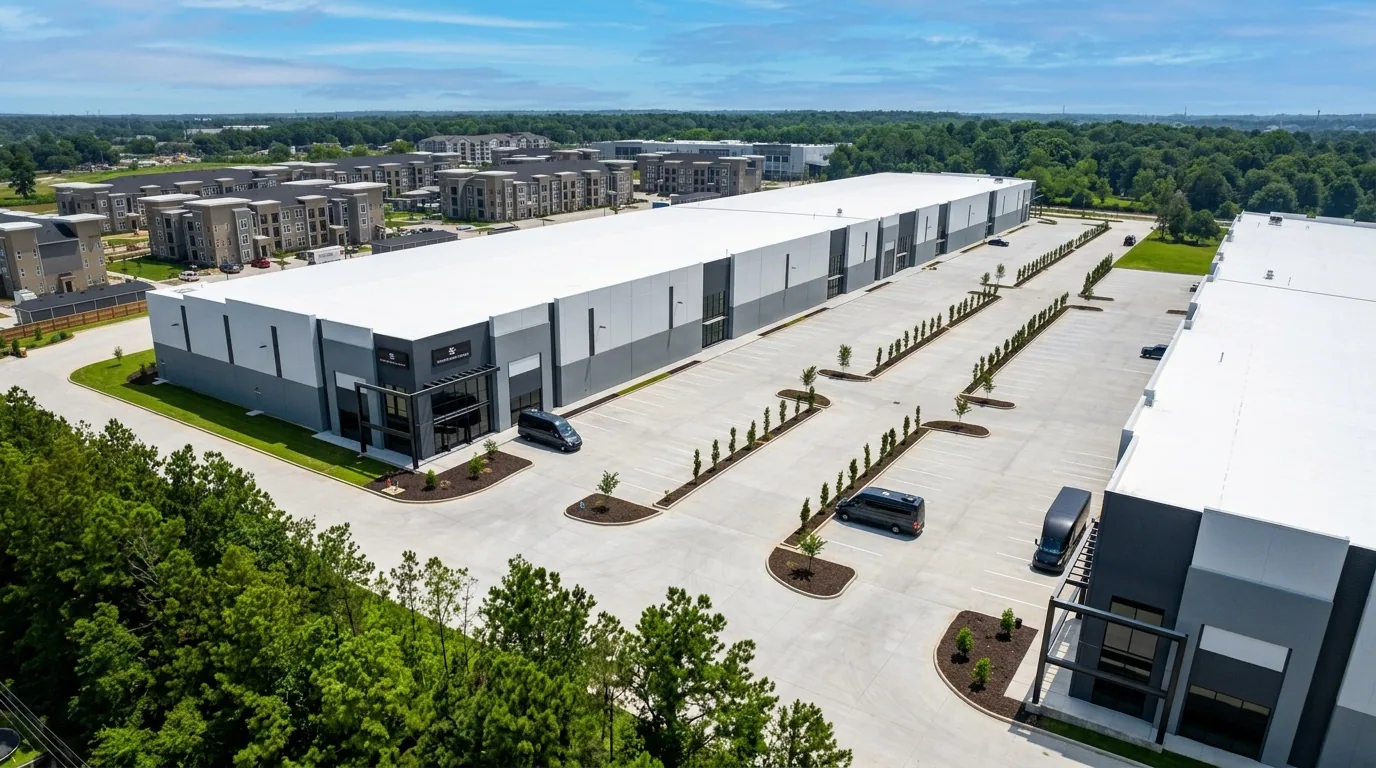
Richard L. Roudebush VA Medical Center is a multibuilding campus in Indianapolis, with access from I-69, I-465, I-70, and I-65. Fishers' Allisonville Road corridor includes River Place retail and access to White River Park near 96th Street. The settings show why a report should name the actual building and entry plan rather than rely on a market label. A condition visit along Allisonville Road begins with the property contact and roof map.
What should the inspector document?
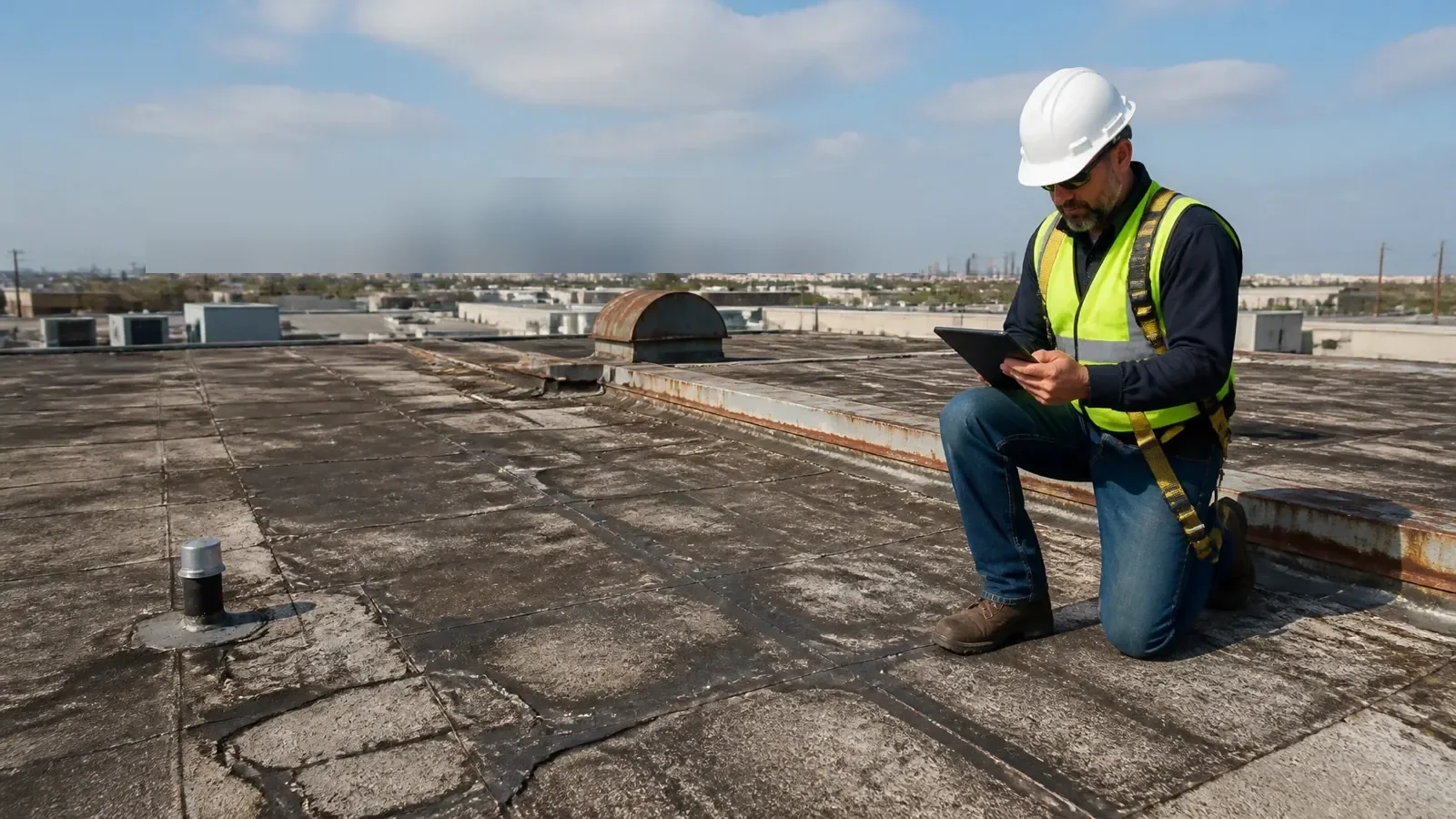
We note the accessible roof area, assembly where identifiable, slopes, drains, seams, penetrations, edges, prior patches, and visible damage. Photos include a wider reference view and close detail where safe and permitted. The report identifies weather or access conditions that hide a roof section, and avoids describing unseen layers as though they were tested. A marked plan lets the owner locate each observation later.
When water is reported indoors, we record the room, timing, recent weather, and any prior repair details supplied by the facility. We compare that information with the roof slope and reachable transitions. A stain does not prove the precise point of entry. The report shows whether the roof opening was found, what route is plausible, and which test could confirm it. A hands-on roof inspection can pair this written record with a drone view when approved access and weather allow.
For a large campus, report references should distinguish buildings, wings, roof elevations, and mechanical areas. Roudebush's map depicts several buildings, but each roof section still needs its own inspection and condition finding. A medical-campus roof review can keep access and occupied-area coordination tied to the correct structure.
How should limitations appear in the report?
Access may be limited by locked hatches, tenant restrictions, roof conditions, stored materials, snow, ice, or an active construction area. We list the area not reached and the reason it could not be inspected. If a roof plan is missing, we state how the available references were used. A limitation is not a conclusion that the concealed area is sound; it remains an open item with a return condition.
Indianapolis normal snowfall is about 25.5 inches, and seasonal freeze-thaw cycles can change roof access and drain visibility. The report records the actual surface condition on the visit date and notes details hidden by weather. If an outlet cannot be reached safely, we do not mark it as checked. A drain and overflow inspection can be scheduled when safe access is available.
Testing also has boundaries. A moisture scan identifies patterns that need interpretation; a test cut can show concealed layers only at its approved location. We describe the test method, location, observed result, and restoration. The report does not extend a test result to roof zones that were not tested.
Roofing Capabilities
How do findings become an action list?
Each finding should lead to a next step: monitor, maintain, repair, test, or evaluate broader work. We explain the visible evidence, affected section, urgency, and any dependency on another contractor. If an opening is active, immediate protection is separated from permanent repair. If damage remains uncertain, the recommendation names the evidence needed instead of assigning a speculative repair area.
Fishers' I-69 and State Road 37 corridors connect commercial areas with Indianapolis and Hamilton County. A portfolio owner may compare buildings across those areas, but the report should not infer a shared roof condition from location. For each property, we use its assembly, access, and repair history. A roof asset record can carry report findings forward, and a capital review can rank confirmed work against planned funding.
If the inspection supports local repair, the scope lists preparation, materials, measured area, protection, and limits. If moisture, attachment, or edge failures appear broader, replacement may warrant comparison. A renewal estimate should use report references and keep unknown conditions separate from measured work.
Roofing Capabilities
What makes a photo useful later?
Images work best when they show both context and detail. We capture an identifying view of the roof area, then a closer image of the seam, curb, drain, puncture, or edge in question. Where allowed, a scale or roof-grid reference helps compare future visits. The caption states the observation without assigning a cause that the image cannot establish.
If a property uses a work-order number or facilities map, we can match the report's references to that system. The owner provides any format or privacy rule before photography. At occupied buildings, the crew limits images to approved areas and avoids exposing tenant or patient information. A healthcare facility review may have additional coordination requirements for occupied departments.
Closeout includes date, inspector observations, tests, repairs completed, temporary cover, excluded areas, and unresolved issues. The maintenance team can then compare the report with a later leak or project proposal. Applicable service documents can remain beside the condition history for later review. For each recommendation, the report can name the assigned contact, priority, and evidence that could change the next step. If the owner requests a bid, we use the same roof references so the scope maps back to the observation.
Who should receive the findings?
The owner, property manager, facility lead, and project team may need different parts of the report. We identify the person who can authorize repair, testing, tenant access, and work outside the original visit. If several buildings are included, each gets a separate section index and photo set. That prevents a finding from being attached to the wrong asset.
Allisonville Road's commercial activity and the Roudebush campus are distinct contexts, but both benefit from a named access contact and current building plan. We confirm the approved recipient and delivery method before sending field materials. A property-manager report handoff can route observations to both the local and regional contacts.
Send the roof map, reported leak locations, building list, access limits, prior inspections, and the decision deadline. We will return a clear condition record with photos, limitations, and a next step tied to the inspected section. The report can then support a repair bid, maintenance order, or later capital comparison.
Talk to Our Roofing Team
Call 555-555-5555 or request a roof assessment. Tell us the address, the roof type if you know it and where water or damage is showing. We work across Fishers, Carmel, Noblesville, Westfield, Zionsville and the surrounding communities.
Frequently Asked Questions
Can a Fishers condition report show the costed repair scope separately?
It can include a separate proposal when the repair area and materials are clear. The condition findings remain distinct from priced work and from allowances for concealed conditions.
Can photographs show exactly where a leak starts?
They can document visible openings and context, but water may travel before it appears indoors. We state whether the entry point is confirmed or what test could resolve it.
How do you record roof sections blocked from safe access?
The report names the inaccessible section, reason, and condition needed for a return visit. It does not treat a concealed area as inspected or known to be sound.
Can you report on several properties at once?
Yes. Each building receives separate references, photos, conditions, and access limits. A portfolio summary can group the next actions without blending measurements.
How long is a roof report useful?
It remains a dated record of the inspection, not a promise about future condition. New leaks, repairs, equipment changes, and weather exposure can require an updated review.
Fishers, IN
Request a photo-based roof condition report
Send the roof map, building list, leak reports, access rules, prior repairs, and decision deadline. We will record visible conditions and state the next evidence or repair needed for each building section and responsible contact.