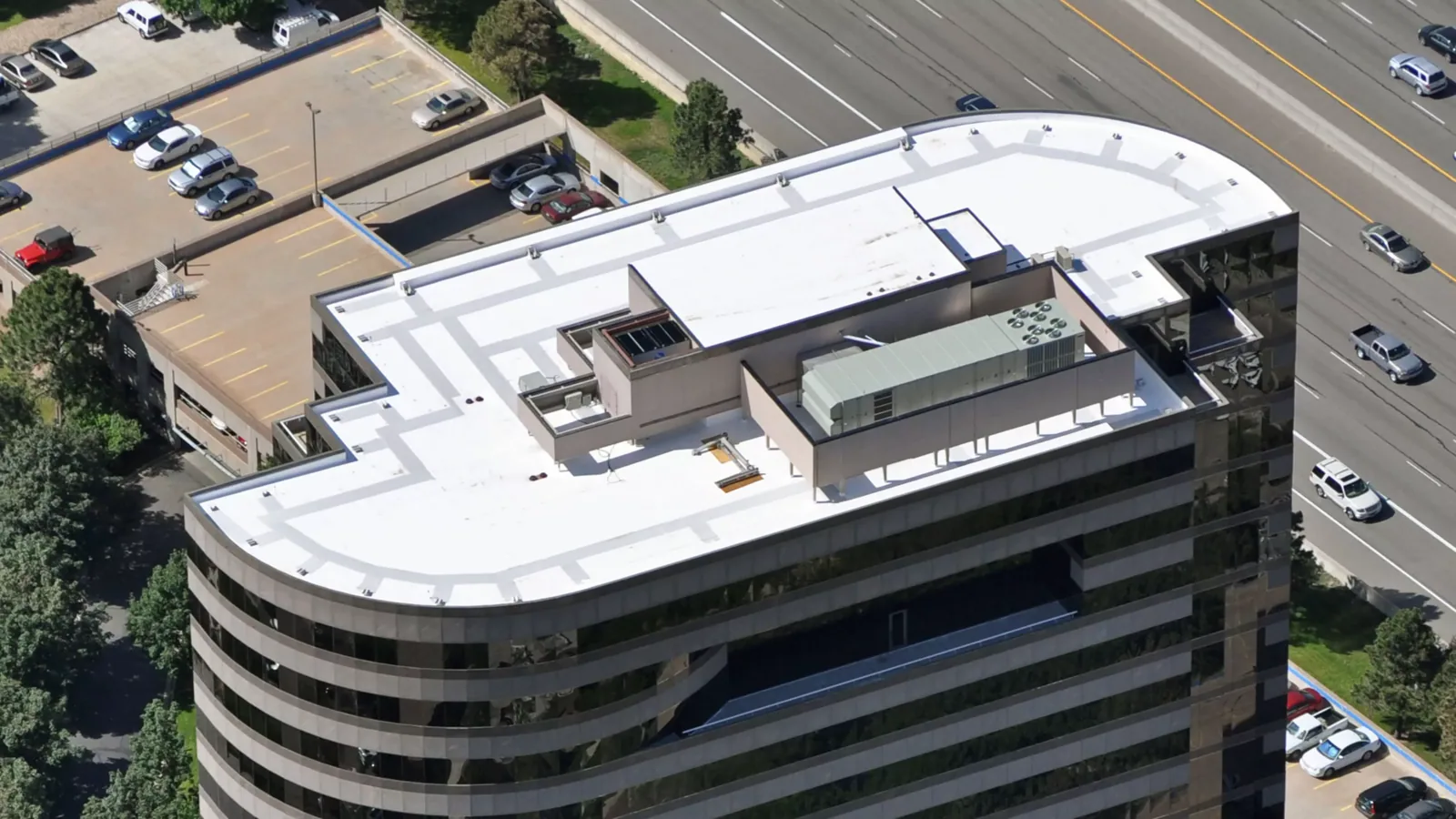
Serving Fishers, IN and Hamilton County
Roofing Manufacturers
The manufacturer name on a roof record helps identify a system, but it does not replace an assembly inspection. We verify membrane type, attachment, seams, flashing, insulation, and previous work before recommending compatible repairs or installation. Fishers has life sciences manufacturing, offices, retail, and event venues, so access and work sequencing may differ from one project to another. The installation still needs details that match the roof and the manufacturer’s published system requirements.
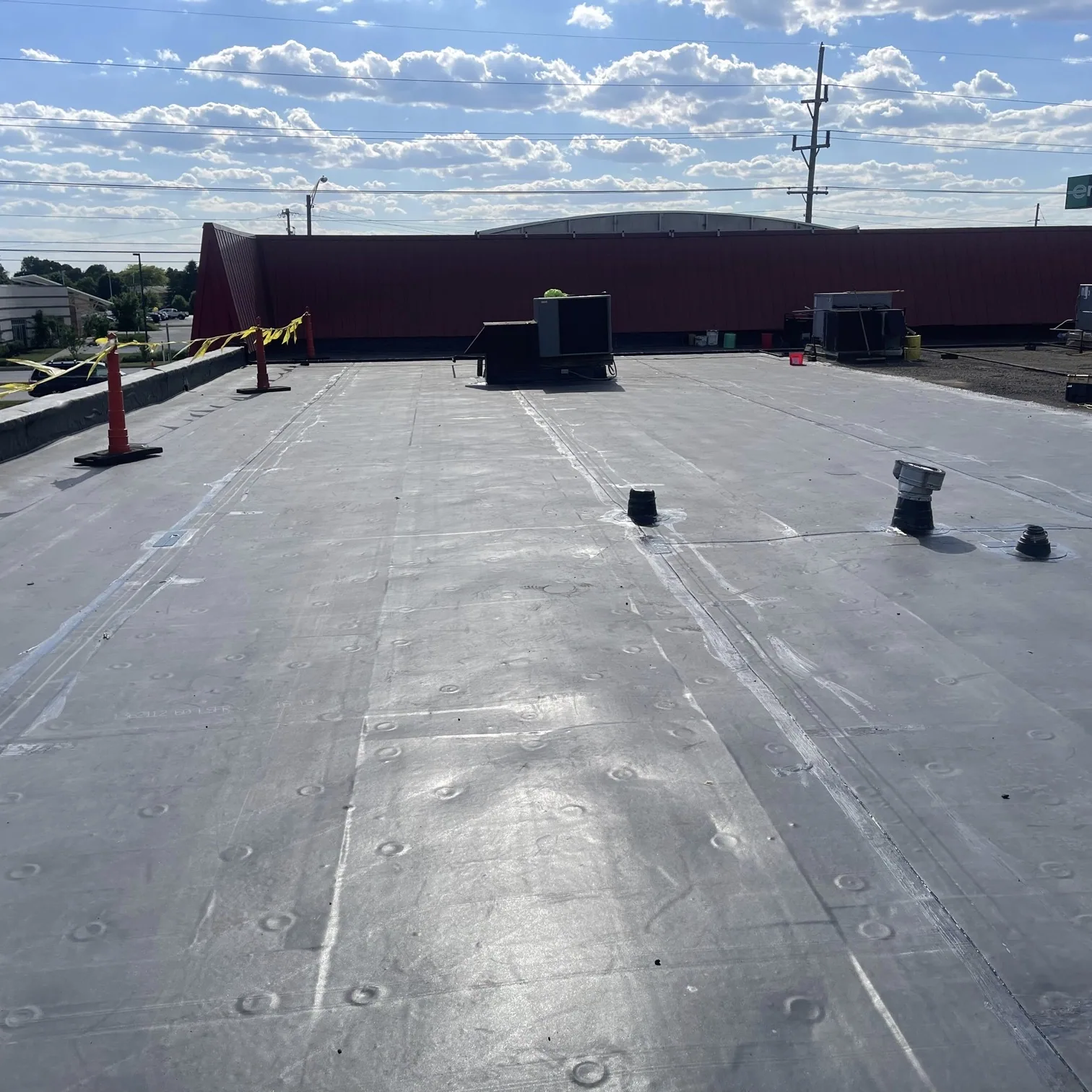
GAF Commercial Roofing
Review GAF commercial roofing options in Fishers, IN, from membrane condition and drainage details to repair scope, roof replacement, and project timing.
Carlisle SynTec Roofing
Plan Carlisle SynTec roof repair or replacement in Fishers, IN with an assembly review, documented seam conditions, drainage checks, and a clear work sequence.
Johns Manville Commercial Roofing
Review Johns Manville commercial roof repairs and replacement in Fishers, IN, with documented assembly checks, moisture questions, and a controlled work plan.
Holcim Elevate Roofing
Assess Holcim Elevate commercial roofing in Fishers, IN with an assembly review, membrane repair options, drainage checks, and a controlled project sequence.
Sika Sarnafil Roofing
Review Sika Sarnafil PVC roof repair and replacement in Fishers, IN with seam inspection, attachment checks, moisture testing, and a controlled dry-in plan.
Versico Commercial Roofing
Plan Versico commercial roof repair or replacement in Fishers, IN with system identification, seam and drainage checks, and documented project limits.
Soprema Commercial Roofing
Review Soprema roof repair and replacement in Fishers, IN with assembly identification, membrane and flashing checks, moisture review, and project sequencing.
Duro-Last Commercial Roofing
Assess Duro-Last PVC roofing in Fishers, IN with seam and flashing checks, repair limits, drainage review, and a practical occupied-building schedule.
Roofing Manufacturers
What should be checked before specifying a product?
We confirm the existing membrane or metal system, substrate, drainage, edge conditions, and penetrations before choosing material. Product compatibility matters at repairs and tie ins. The work scope should state preparation, seams, flashing, and closeout. GAF systems and Carlisle SynTec are among the manufacturer systems we assess against the actual roof assembly.
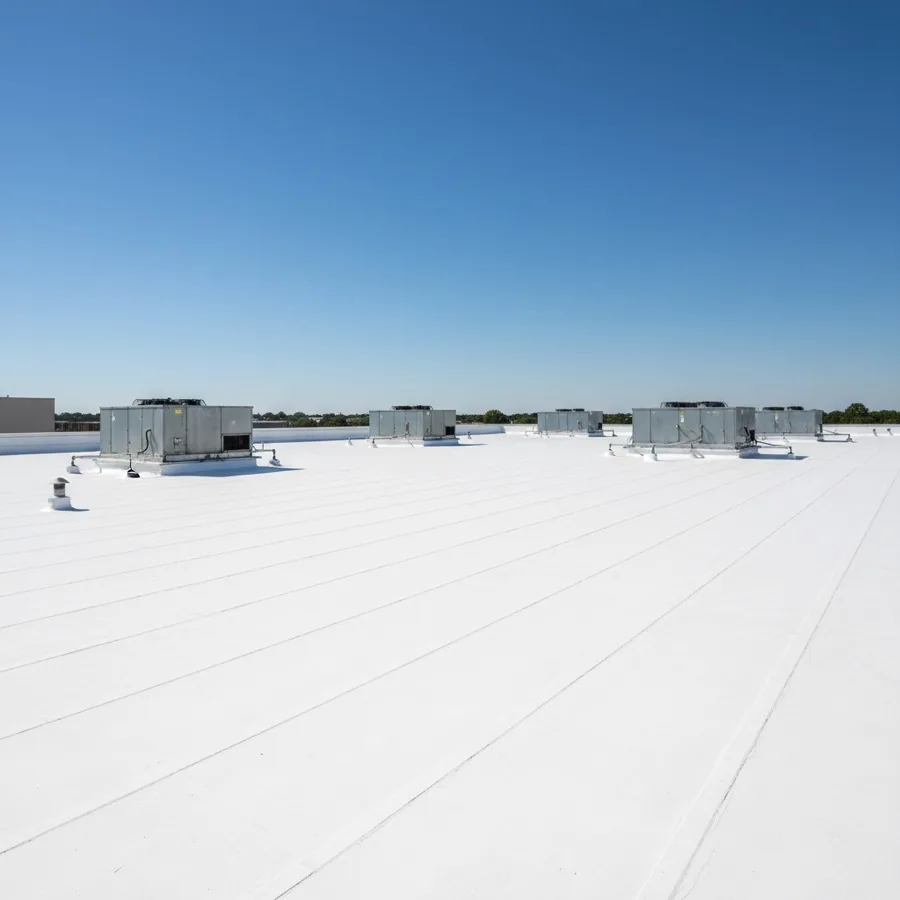
How does the system reach a watertight closeout?
Installation depends on substrate preparation, attachment, laps, terminations, and details around curbs and drains. Manufacturer instructions should be checked for the selected product and application. Johns Manville, Holcim Elevate, and Sika Sarnafil each have systems that need project specific review and properly coordinated work.
Can a repair use a different manufacturer?
That depends on the existing membrane, compatibility, and repair detail. We identify the installed assembly and select a method supported for that system rather than mixing materials casually. Versico, Soprema, and Duro-Last options can be reviewed alongside the roof’s condition, drainage, access, and replacement goals.
Roofing Manufacturers
What should owners keep after installation?
Keep the system identification, product records, repair and inspection photos, and the closeout details. Those records help future maintenance crews recognize the assembly and avoid an incompatible patch. A roof condition report can capture what is installed and where follow up is due.
During a repair, we inspect the existing labels and construction where accessible, then check the proposed materials against the assembly and application instructions. When documentation is incomplete, we identify what can be verified in the field and what needs confirmation before work. The closeout file can include product records and photographs of seams and flashing. That supports future maintenance and helps crews recognize the installed assembly.
During maintenance, we compare existing labels, photographs, and repair records with what is visible in the field. A product name can guide the review, but the current assembly and substrate determine which repair detail fits. The written scope identifies materials and preparation so later crews can continue from a clear record.
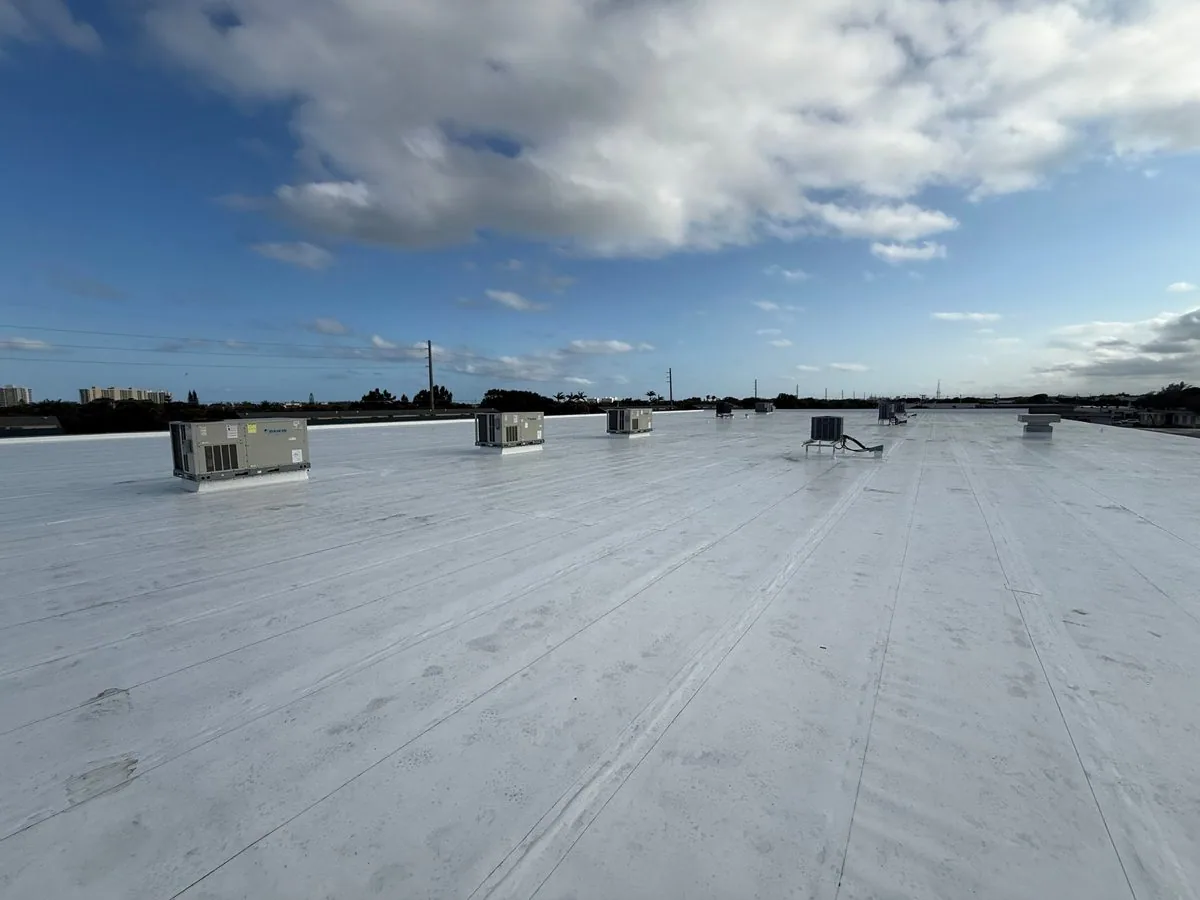
Questions Owners Ask
Frequently Asked Questions
How are manufacturer requirements handled?
We review the applicable system documents and identify the selected materials, installation details, and project records in the scope. Warranty terms depend on the governing documents and project conditions.
Can you repair an existing branded membrane?
Often, after we identify the exact assembly and its condition. Compatibility and repair instructions determine the method and materials.
Do product names determine the best system?
No. The building, substrate, drainage, exposure, access, and project goals determine whether a system fits. We compare those conditions before specifying work.
What records should accompany a reroof?
Keep the assembly and product information, installation and flashing photos, closeout inspection, and maintenance schedule. These records support future inspections and repair decisions.