Serving Fishers, IN and Hamilton County
Commercial Roofing Services
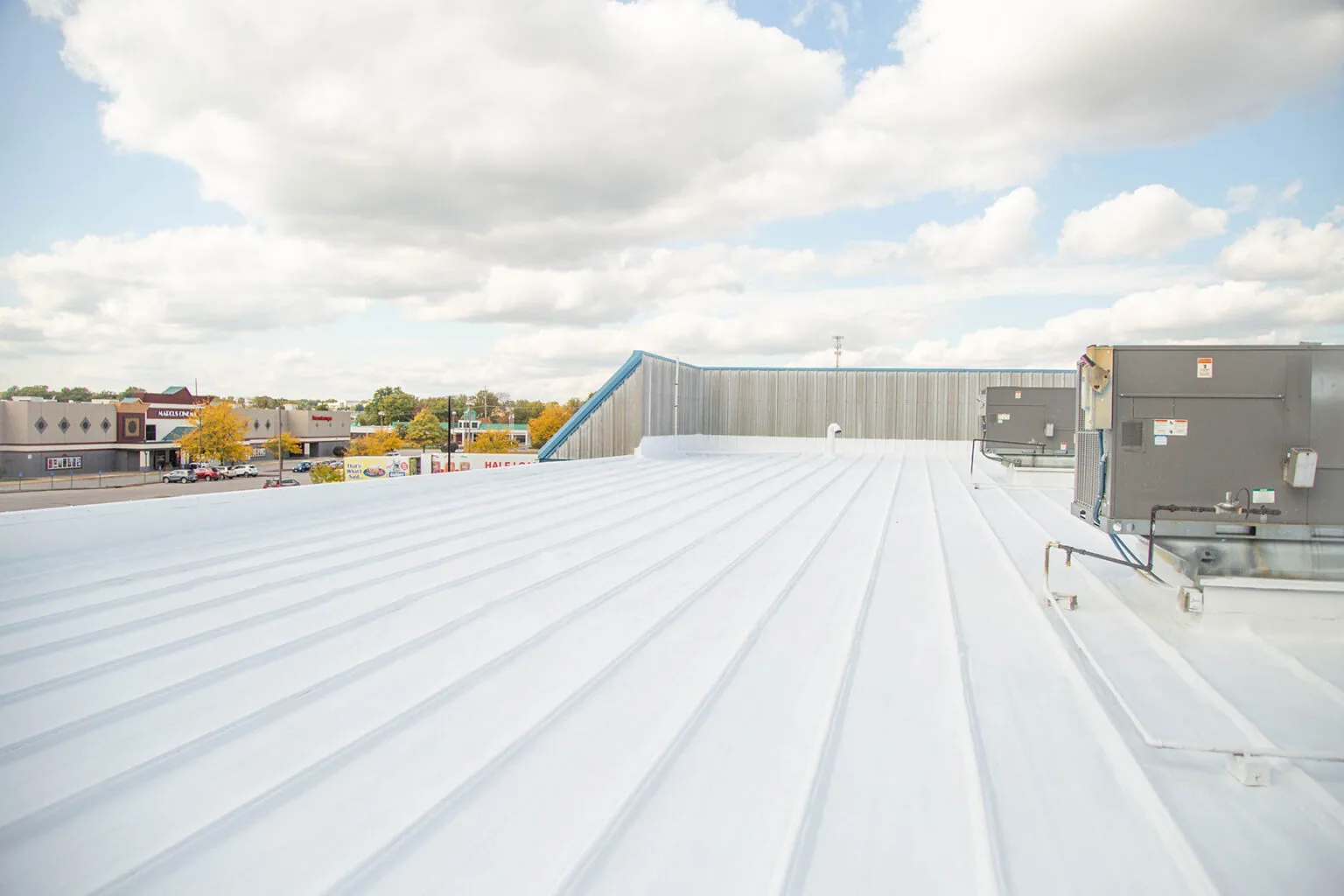
An open roof detail can turn a ceiling stain into a larger repair if the water path stays hidden. We inspect the affected section, record what is confirmed, and match the next step to the assembly and its condition. Fishers’ commercial core follows I-69 and State Road 37, and the city’s business mix includes offices, retail, life sciences, event venues, and sports facilities. Each building still needs a roof level review before work is scoped. A drain repair, seam patch, coating, or replacement solves a different condition, so the proposal begins with the failure and the area it affects.
Commercial Roof Replacement
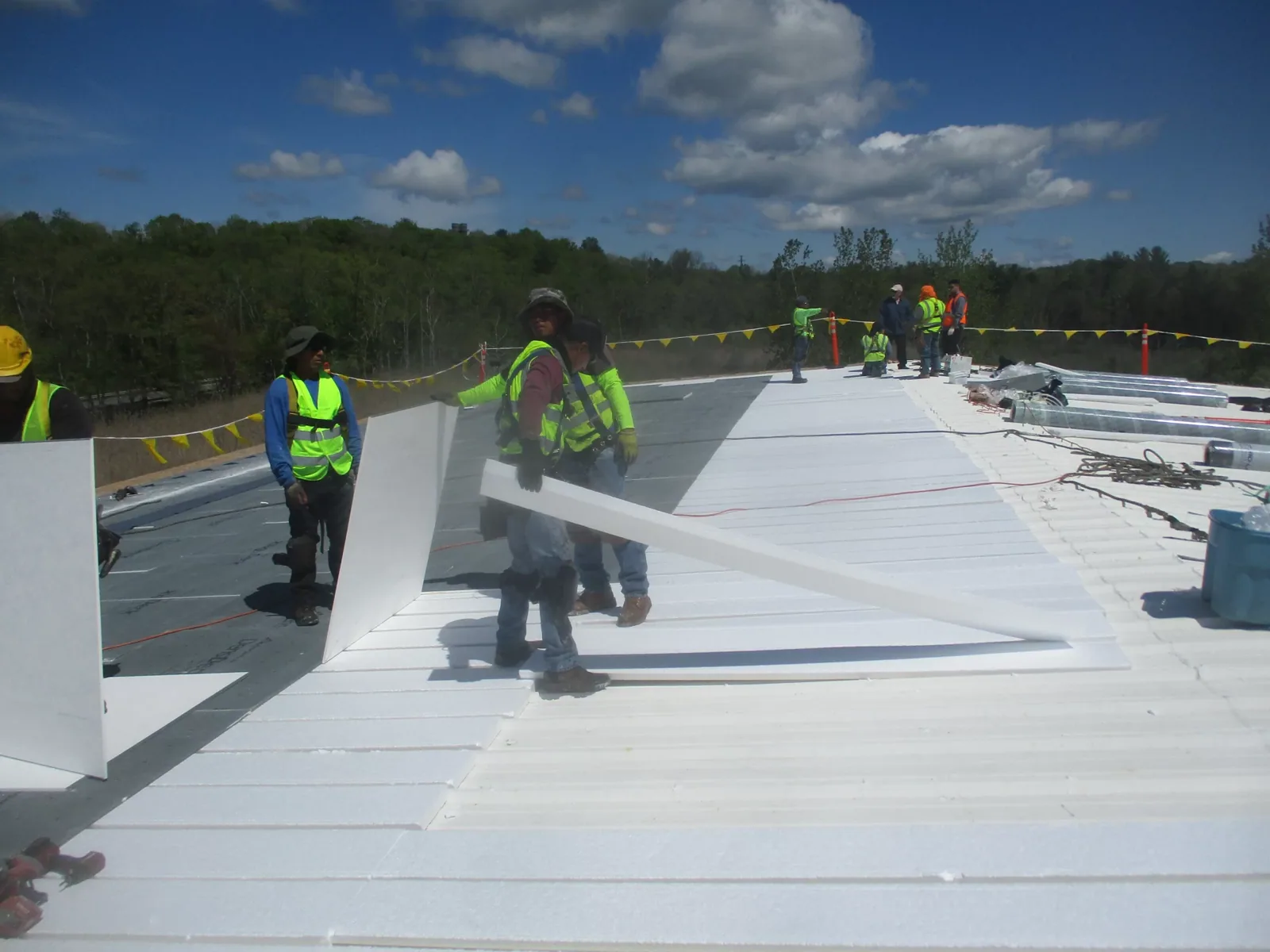
Replace a commercial roof in Fishers, IN with confirmed tear-off limits, drainage review, and a dry-in sequence coordinated with your operations.
Commercial Roof Recover
Evaluate a commercial roof recover in Fishers, IN with moisture testing, attachment checks, drain elevations, and code review before adding layers.
Commercial Roof Repair
Repair commercial roofs in Fishers, IN with traced leak paths, compatible details, documented test areas, and a clear boundary for follow-up work.
Commercial Roof Leak Repair
Trace and repair commercial roof leaks in Fishers, IN with mapped water paths, safe temporary protection, and testing tied to the affected section.
Emergency Commercial Roof Repair
Stabilize an active commercial roof leak in Fishers, IN with safe access, temporary dry-in, mapped findings, and a separate permanent repair plan.
Commercial Roof Inspection
Inspect commercial roofs in Fishers, IN with hands-on detail checks, mapped findings, test limits, and repair priorities tied to each roof section.
Commercial Drone Roof Inspection
Use drone roof imaging in Fishers, IN to document large or restricted roof areas, then verify repair decisions with targeted hands-on inspection.
Infrared Commercial Roof Moisture Survey
Map suspected roof moisture in Fishers, IN with infrared screening, marked test areas, and core-cut confirmation before setting repair or replacement limits.
Preventive Roof Maintenance
Plan commercial roof maintenance in Fishers, IN around drainage, seasonal exposure, equipment work, and repairs that need a defined follow-up.
Commercial Roof Coating Restoration
Evaluate commercial roof coatings in Fishers, IN by testing the existing surface, repairing details, and planning application around weather and access.
Storm Damage Roof Repair
Assess commercial storm roof damage in Fishers, IN with mapped observations, temporary protection, repair limits, and records for the next claim step.
Roof Insurance Claim Assistance
Organize commercial roof claim documentation in Fishers, IN with dated photos, mapped conditions, repair details, and clear limits on roofing findings.
Commercial Roof Drains and Scuppers
Correct commercial roof drainage in Fishers, IN by tracing outlets, overflow paths, crickets, and low areas before water reaches the building.
Commercial Roof Edge Metal, Coping, and Gutters
Repair commercial roof edge metal in Fishers, IN with mapped terminations, coping, gutters, and drainage details tied to the installed roof system.
Commercial Skylight and Penetration Flashing
Repair commercial skylight and penetration flashing in Fishers, IN with curb, membrane, seal, and interior water paths checked as one assembly.
Commercial Roof Insulation and Cover Board
Plan commercial roof insulation in Fishers, IN with mapped layers, tapered drainage, cover-board attachment, and transitions coordinated before installation.
Commercial Rooftop Equipment Curbs and Supports
Repair Fishers roof curbs, pipe supports, and equipment flashing with verified details, planned shutdowns, and a documented water path and repair boundary.
Commercial Cool Roof Installation
Evaluate reflective commercial roofing in Fishers by existing assembly, roof condition, drainage, insulation, and project goals before selecting a system.
Solar-Ready Commercial Roofing
Prepare a Fishers roof for solar with assembly review, structural coordination, drainage, attachment planning, and a serviceable repair boundary.
Occupied Building Commercial Reroofing
Reroof occupied Fishers buildings with phased sections, protected entrances, clear trade handoffs, and a weather-tight closeout each work period.
Military Installation Roofing
Plan military roofing near Fishers around controlled access, mission schedules, verified assemblies, UFC criteria, secure dry-in, and documented work limits.
Commercial Roofing Services
What should an inspection settle?
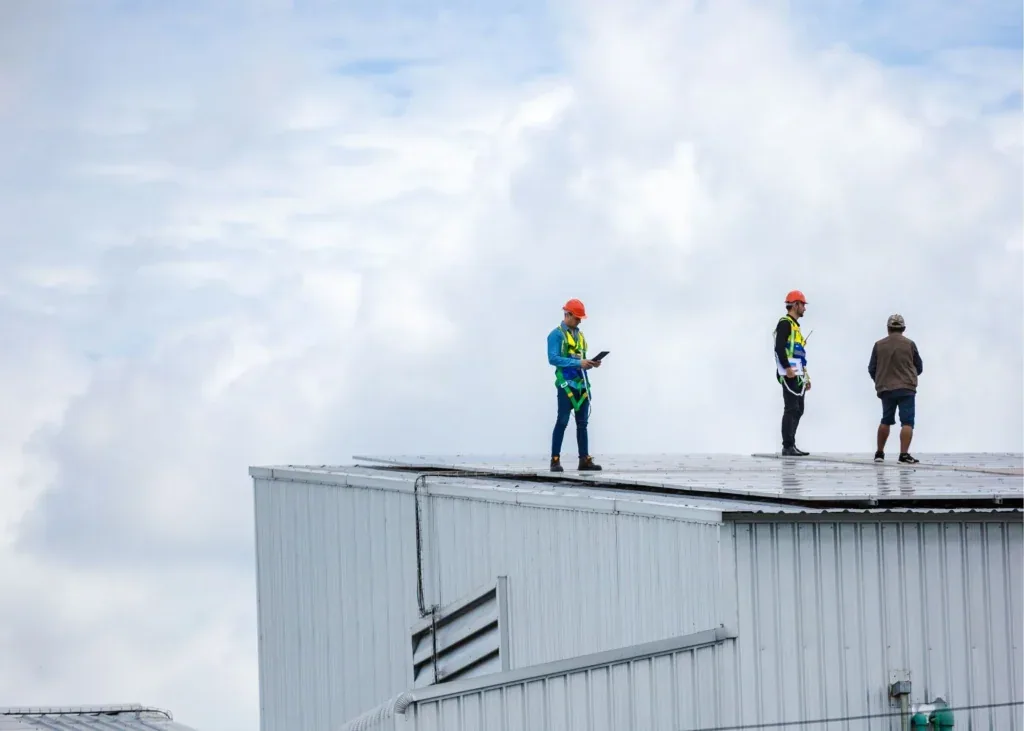
A useful inspection links the interior report to seams, drains, flashing, penetrations, and perimeter details above it. We photograph the section and note what could not be reached. When moisture below the membrane may change the boundary, an infrared survey or selective opening can answer a specific question. Commercial roof inspections establish that record, while condition reports organize photos, findings, and open items for owners and general contractors.
When is a repair the right first move?
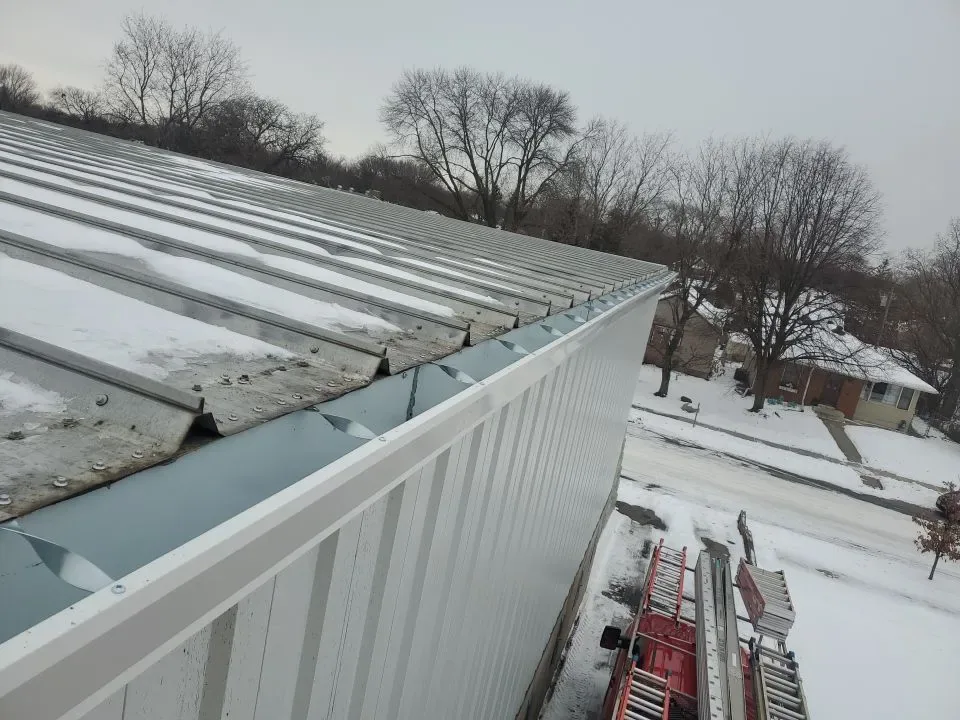
A repair makes sense when failure is contained and the surrounding assembly can accept a sound tie in. We prepare the surface, check the substrate, and install a compatible detail. Active water may need immediate stabilization, followed by permanent work after materials and access are confirmed. Commercial roof repair addresses a defined defect; emergency response protects an opening while the longer scope is prepared.
Which options need a larger review?
Recurring leaks, wet insulation across several sections, or deteriorated deck can move the decision beyond a patch. Replacement planning accounts for removal, insulation, edges, penetrations, and daily dry in. A recover or coating has separate checks for moisture, attachment, compatibility, drainage, and code. Roof replacement and recover evaluation should use the same field evidence so cost and disruption can be compared fairly.
Commercial Roofing Services
What keeps the roof record current?
Planned maintenance revisits drains, seams, curbs, and repaired transitions before seasonal exposure compounds a small condition. Indianapolis normals include 43.63 inches of annual precipitation and 25.5 inches of snowfall, which makes drainage and freeze thaw useful inspection points in the Fishers market. Preventive roof maintenance records changes over time, and claim documentation can organize photos and condition notes when storm damage is involved.
For each service, the scope identifies the part of the roof being addressed and the conditions that remain open. That matters when a repair sits beside a replacement phase or when another trade is scheduled to work above the same space. A photo record can show completed details and identify a follow up check. The owner can then make a decision based on the same field evidence used to plan labor, materials, and access.
Questions Owners Ask
Frequently Asked Questions
Can one roof service address every leak?
No. The repair depends on the failed detail and the condition around it. We trace the water path, verify the assembly, and define what a patch can resolve before recommending broader work.
When should replacement be considered?
Replacement deserves review when failures recur across sections, moisture is widespread, or the substrate no longer supports isolated repairs. We explain what the inspection confirmed and what testing remains.
Do you work on occupied buildings?
Yes. We plan access windows, material staging, tenant protection, daily dry in, and trade handoffs around the building schedule.
What information helps start an assessment?
Share the affected roof section, leak history, access limits, and any construction schedule. Photos or prior repair records can help focus the first walk.