Service Areas
Nickel Plate District
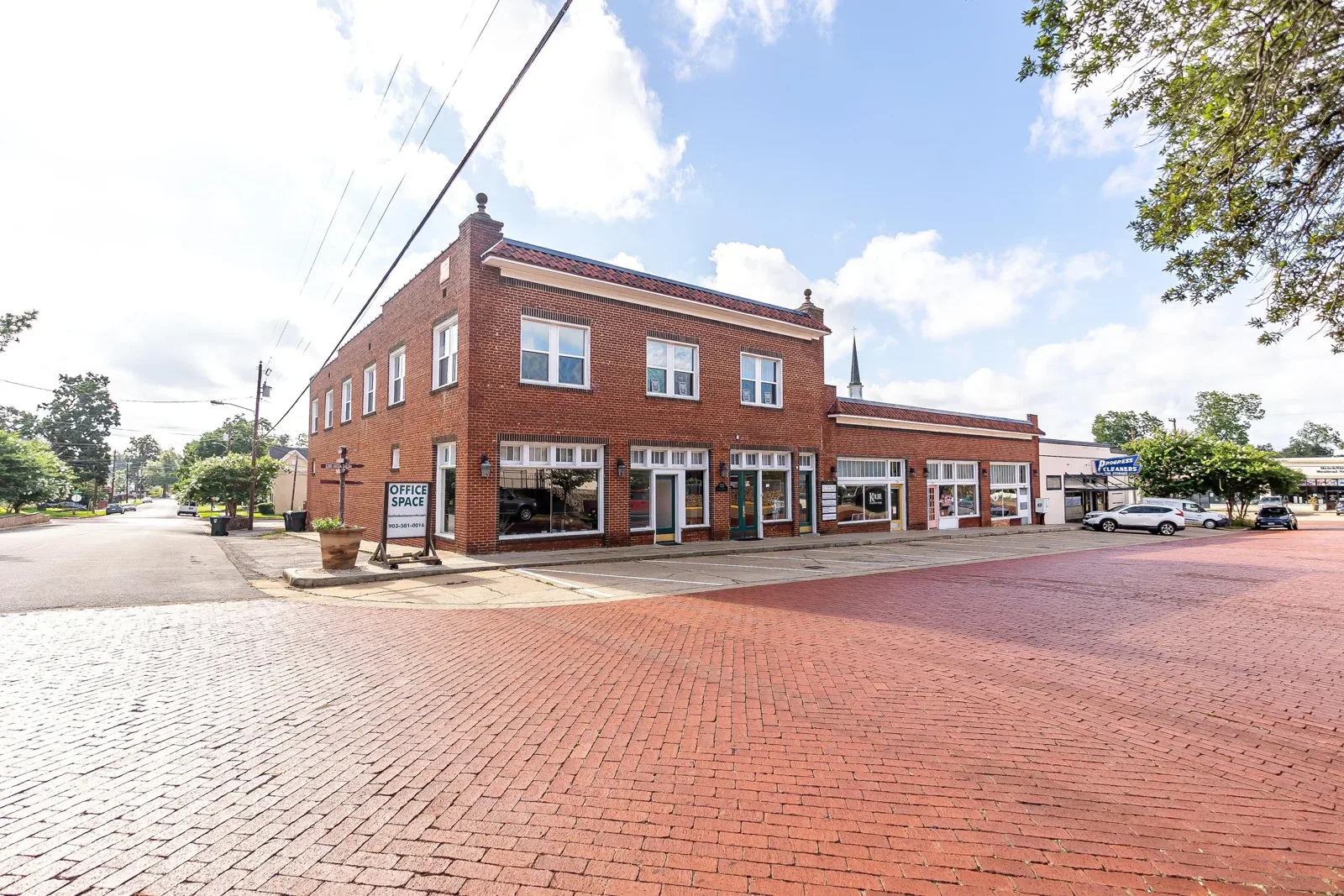
A leak above a storefront or shared interior can interrupt more than one part of a mixed-use property. In Fishers' Nickel Plate District, we inspect the roof section, follow the water path, and document how access and occupied areas affect repair. The proposed district spans downtown blocks between Municipal Drive and Lantern Road, Commercial Drive, South Street, and Fishers Center Drive. Its mixed-use setting brings work, retail, and residential activity into one broader area, so a roofing visit needs a building-specific contact and schedule. We identify the roof assembly and set the repair boundary before recommending a patch, test, or larger scope.
The district's business council supports local owners and employees, which gives property contacts a local forum for coordinating shared concerns. Nearby properties can use the broader 116th Street commercial corridor for route planning, while each roof retains its own inspection map. Those references help orient service planning without identifying any single property as the destination. For buildings in the district, we inspect drains, wall transitions, curbs, roof edges, and prior repairs, then note which areas were not reachable. A commercial roof visit in Fishers District may share a regional dispatch plan, but its roof map and access rules remain specific to the building.
What should the first roof walk establish?
A first inspection should connect the reported symptom with a visible roof detail. We identify membrane or metal where records and field details allow, then review seams, flashing, drains, curbs, and earlier repairs around the affected section. An interior ceiling mark is evidence of water, not proof that the opening sits directly above it. We photograph the roof location, note the direction water could travel, and keep confirmed openings separate from areas that need testing. That record helps an owner decide whether an isolated correction is enough.
Mixed-use occupancy can create different access windows in the same building. A retail operator may need a daytime route kept open while residential or office areas have their own contacts and restrictions. We coordinate the roof hatch, ladder, staging area, deliveries, and daily closeout with the property representative. If the roof is shared by multiple occupants, the work plan lists which area may be affected and who can release it. A hands-on commercial roof inspection documents the visible assembly and any limit that changes the recommendation.
The Nickel Plate boundary streets describe a broad downtown district, not a roof address. They help orient the visit, but we confirm the entrance and roof plan with the property contact. We identify any sign, equipment, tenant-entry, or shared-space protection needed after checking the actual site.
Where can water move after it enters?
Water may travel along a deck flute or insulation joint before appearing inside a unit. We trace the route from the stain across seams, drains, wall transitions, and nearby penetrations, then record which observations support that path. If the membrane appears intact at the reported point, we expand the inspection only as far as access and safety allow. The report states whether water entry was observed, whether a suspected detail needs a closer look, and whether a test could resolve the question.
Indianapolis climate normals show about 25.5 inches of annual snowfall, and repeated freeze-thaw conditions can leave meltwater at outlets and edges. Those are Indianapolis regional climate measures, not a claim about weather at one individual Nickel Plate property. We check drain condition, ponding, ice residue, and flashing after access is safe. A drain and scupper inspection may need its own scope if an obstruction is separate from the reported leak. The field record connects each observation to the roof zone and visit date.
If water may have spread below the surface, a moisture survey can prioritize further checks. A core can confirm layers at one point. Before testing, we explain the reason, location, closure method, and limits. Results are not applied to untested rooms or roof sections.
Service Areas
When is a localized repair appropriate?
A small opening can be repaired when the surrounding membrane or flashing is stable and the repair can tie into compatible material. We measure the affected area, remove loose or failed material within the approved limit, prepare the surface, and finish the edge. If moisture extends under the patch, we photograph the open condition and request direction before adding work. The scope identifies what will be corrected and what stays outside the repair boundary, so a future leak is not mistaken for a completed area.
Roof edges and parapet transitions deserve attention when water returns after a patch. We check metal laps, coping joints, terminations, and the connection between wall and roof. A sealant bead alone may not address movement or a failed flashing detail. A flashing repair review can define removal, preparation, new material, and the limits around adjacent surfaces. If multiple details fail, we map them separately before deciding whether they share a cause.
Cost and timing reflect access, assembly, preparation, repair size, testing, and protection below. An occupied downtown property may need planned staging or shorter work windows. We identify those drivers before pricing. For replacement, we separate immediate dry-in from permanent work and mark the tie-in on the roof plan.
Service Areas
How should roof work fit the district's occupancy?
The schedule should identify who can release roof access, which interior area may be affected, and when crews must leave the section weather-tight. We plan material staging and debris handling with the building contact. If several tenants share a property, notices and work windows may need to follow different routes. A phased occupied-building work plan can sequence roof sections so operations below remain informed and protected.
Emergency water entry can occur outside business hours. Crews can respond at any hour, then document temporary protection separately from permanent repair. The record states what was secured, what remains exposed, and when follow-up work can happen.
Removal can expose wet insulation, corrosion, or deck damage. We protect and photograph the opening, then request approval before changing quantities. Closeout lists materials, test results, and areas not reached so the general contractor can coordinate related work.
What belongs in the owner file?
Keep the roof plan, inspection photos, prior repair scopes, leak dates, access instructions, and warranty paperwork together. The service record should list the exact roof section, observed condition, approved repair, materials used, and remaining questions. If the building has several occupancy groups, add the contacts authorized to receive notices or approve access. A photo-based roof condition report can help connect findings to a map and preserve a baseline for later review.
For a Nickel Plate District request, send the affected room or roof section, leak history, available plans, site contact, and access hours. We will inspect the approved area and identify repair, testing, or broader evaluation needs. If water is active, include the interior area that needs protection.
Talk to Our Roofing Team
Call 555-555-5555 or request a roof assessment. Tell us the address, the roof type if you know it and where water or damage is showing. We work across Fishers, Carmel, Noblesville, Westfield, Zionsville and the surrounding communities.
Frequently Asked Questions
Do you work on mixed-use buildings in the Nickel Plate District?
Yes. We coordinate roof access and work areas with the property contact, then document which tenants or shared spaces may be affected. We inspect the approved section and set a repair boundary based on the roof conditions found.
Can you find the roof opening from an interior stain?
The stain marks where water appeared, not necessarily where it entered. We inspect the roof above and around it, trace likely paths across details, and state whether testing or more access is needed.
Will winter conditions change a repair schedule?
Indianapolis snowfall and freeze-thaw can affect outlet and edge conditions. We check the surface and forecast before exposing a membrane; if conditions do not support permanent work, we document a temporary dry-in and return window.
Can one inspection cover several units in a shared building?
It can cover the roof areas the owner authorizes and the crew can safely access. We identify unit-related symptoms on the roof plan, keep access limits visible, and note which interior contacts should receive the report.
What should I send before requesting service?
Share the roof plan, leak location, past repairs, available warranty documents, access hours, and the person who can authorize work. Include whether water is active so we can set the right first response.
Fishers, IN
Set the repair boundary before work begins
Send the roof section, leak history, building contact, access window, and tenant schedule. We will inspect the approved area and identify the repair or test that should come next.