Service Areas
Allisonville Road Corridor
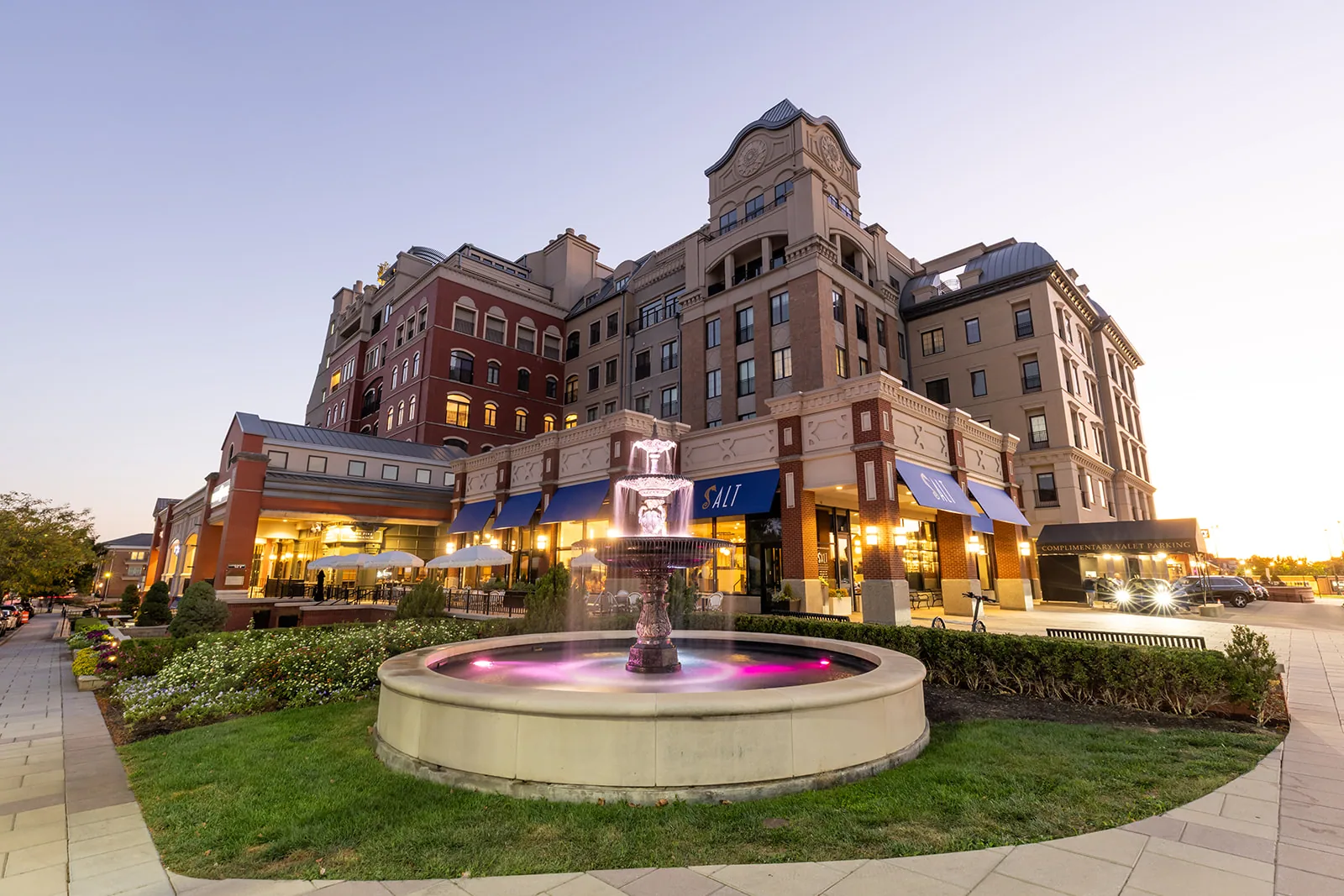
A leak along Allisonville Road needs a roof inspection that distinguishes the corridor's broad commercial context from the exact building conditions. The Fishers commercial center along this route runs between 106th and 126th Streets, with White River, Conner Prairie, and White River Park framing the larger west-side area. We inspect the reported roof section, trace seams and drainage, and confirm the property's access window before setting a repair boundary. The corridor orients service planning; we verify each building's roof type, assembly, and condition during the inspection.
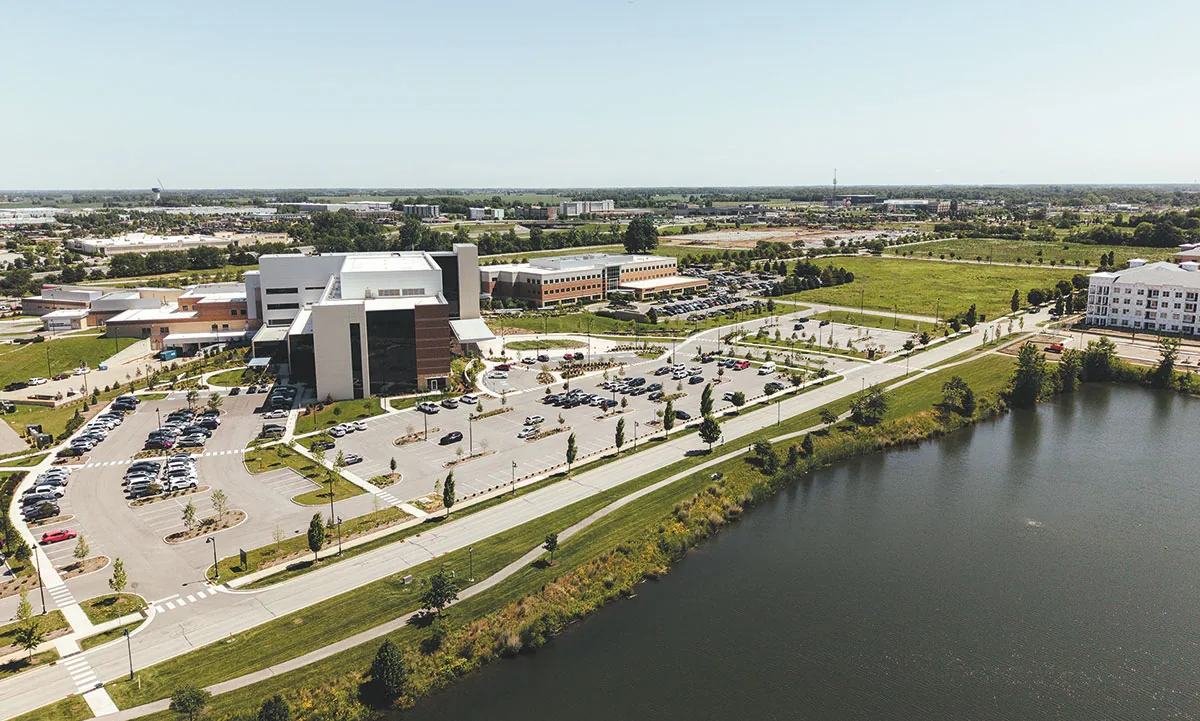
Fishers recorded a two-lane roundabout at 96th Street and Allisonville Road near River Place and White River Park. That roadway setting helps orient access, while the roof inspection still begins with the property contact and plan. The broader Allisonville Road corridor also includes retail and service activity; a recent expanded grocery store and fueling station opened near 116th Street. Those uses can have different operating hours, so we confirm the actual site rules. A roof inspection in Fishers District may share route planning, but its work scope remains tied to that property's map.
What should the roof walk cover?
We inspect seams, drains, penetrations, wall transitions, roof edges, and prior repair locations around the reported leak. A ceiling mark does not establish that the opening is directly overhead; water may move below the membrane before entering the building. We photograph the roof detail and mark its location. The record separates what was observed from suspected causes and names any area that could not be inspected. That helps the owner decide whether to authorize a repair, test, or second access visit.
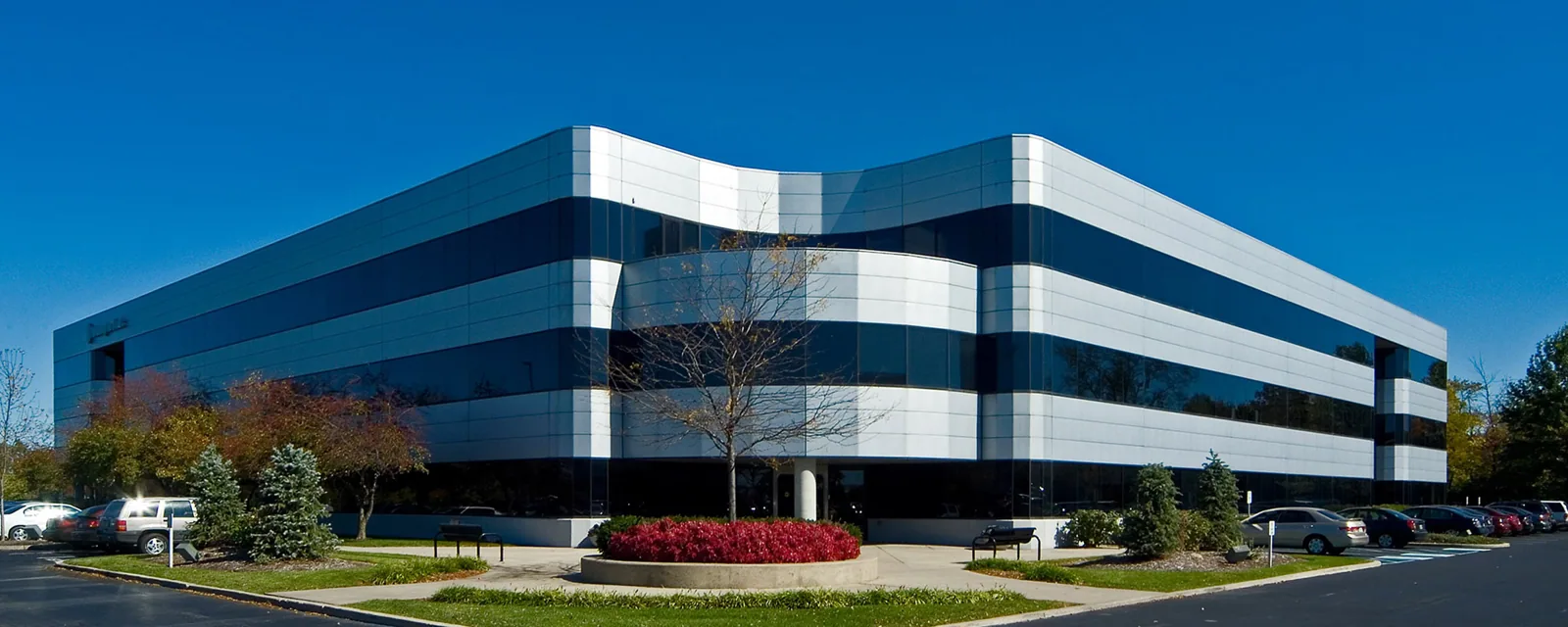
Corridor properties can have different access constraints, from a fenced service zone to a shared loading area or occupied interior. We confirm the entrance, roof hatch or ladder, staging point, and person who can release the work section. If the building has tenants, we ask which areas need protection during roof work. A commercial roof inspection records the visible assembly where supported and notes whether test results or maintenance records are needed to verify it.
At the property, we inspect drainage, slope, and flashing to map the roof's water path.
Where should the inspection trace water?
Water can move from an opening across insulation or a deck before showing at a ceiling. We trace the likely route across seams, curbs, outlets, walls, and roof edges, then check whether separate symptoms may share a path. If the membrane looks intact at the reported point, we do not stop there; we identify the next accessible detail and any test that could narrow the search. The report gives the owner a basis to authorize more inspection without treating a guess as a confirmed defect.
Indianapolis records 4.95 inches of normal June precipitation, with a normal July high of 85.2 degrees. During wet-weather visits, we check whether outlets move water and whether ponding or saturated details remain near the reported section. During wet periods, we check whether outlets move water and whether ponding or a saturated detail remains near the reported section. A drain and scupper inspection can address a blocked outlet separately from a seam or flashing repair.
A moisture survey may help prioritize suspect areas when the roof build-up supports the method. A core sample can confirm layers at its location, but does not establish conditions across an entire roof. We explain the reason for testing, mark the proposed point, and state how an opening will be closed. The owner receives the result with its limits. If the finding changes the repair boundary, we request approval for the additional work before expanding the scope.
Service Areas
How should a repair fit corridor operations?
A localized repair can work when the defect is contained and nearby material can support a compatible tie-in. We measure the opening, prepare the approved surface, install the repair material, and finish its edges. If removal exposes wet insulation or deck damage, we photograph the condition and ask the owner to approve a changed quantity. A measured roof repair identifies the affected section, method, limits, and closeout instead of using a general allowance for unknown conditions.
If multiple leaks return, we compare their locations and check drainage, roof transitions, equipment access, and prior patches for a shared cause. A broader replacement review may be appropriate if deterioration or wet materials extend beyond one detail. A replacement scope can show removal, insulation, edge work, flashing, staging, and temporary protection, then compare those items with continued repair. The owner can see which condition supports each option.
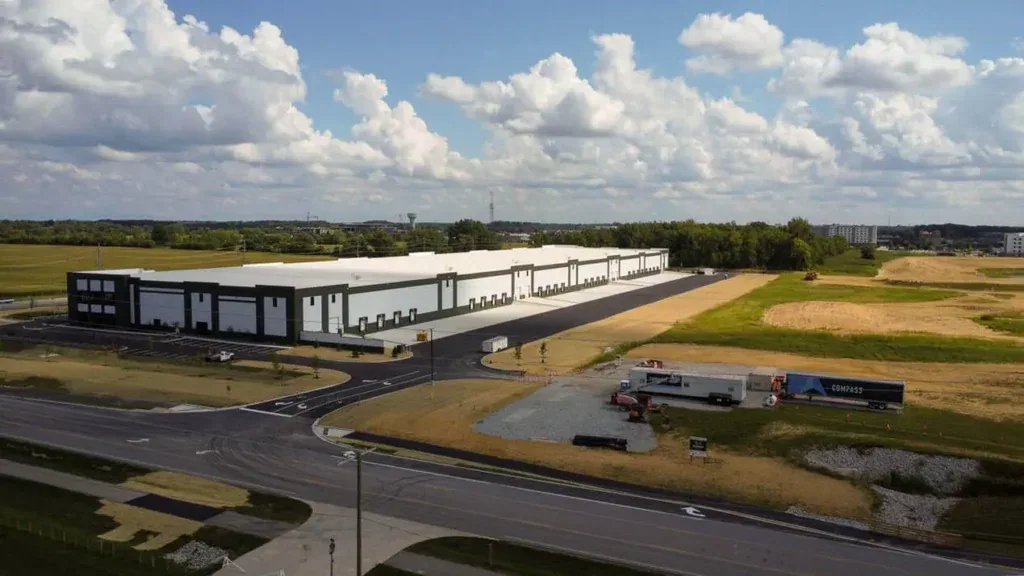
Timing and cost depend on the assembly, roof height, access, surface preparation, quantity, testing, and the protection needed below. Near a retail or fueling operation, the contact may need to set a work window around deliveries and public access. We confirm those constraints before estimating. Weather can affect surface preparation and dry-in, so the schedule notes the stopping point for each work period. If active water enters overnight, emergency crews can respond, then report temporary cover and permanent repairs separately.
Service Areas
What needs to happen before mobilization?
The work plan lists who can authorize access, which roof section is approved, where materials can be staged, and when the area must be weather-tight. We coordinate roof entry with other trades and the property contact. If the roof is occupied below, notices should name the affected areas and expected timing. A phased occupied-building plan can control work by section when tie-ins and protection make staging feasible.
Indianapolis normal July heat and June rainfall make surface condition part of the preparation check; we confirm current weather before exposing insulation. If weather interrupts, we protect the opening and record what remains. The site contact sets current delivery and access limits. A roof visit in Fishers Life Sciences & Innovation Park follows its own operating procedures.
Closeout includes photographs, installed materials, repair location, tests performed, unresolved findings, and areas that were inaccessible. The owner can match those items to the approved scope and warranty record. If work by a different trade affects the roof, we note the interface and the responsible contact. A later inspection can then compare the same details rather than starting with an undocumented patch or verbal history.
What should the property file keep?
Keep the roof plan, leak history, prior repair scopes, photos, product records, and access contacts in one property file. Label reports by building and roof section, not only by the Allisonville Road corridor. That distinction matters when service teams support several addresses or the owner manages properties on both sides of a corridor. A photo-mapped condition report can preserve what was seen and which questions remain open.
For service, send the roof section, leak location, recent repair history, available warranty records, site contact, and work-hour limits. We inspect the approved area and identify whether the next step is a patch, survey, or broader evaluation. Include whether water is active and which interior area needs protection. The recommendation will separate urgent dry-in from permanent repair.
Talk to Our Roofing Team
Call 555-555-5555 or request a roof assessment. Tell us the address, the roof type if you know it and where water or damage is showing. We work across Fishers, Carmel, Noblesville, Westfield, Zionsville and the surrounding communities.
Frequently Asked Questions
Which area does the Allisonville Road corridor page cover?
The city identifies a commercial center between 106th and 126th Streets, with White River, Conner Prairie, and White River Park framing the broader west-Fishers corridor. We schedule work at the specific property, not a single address for the corridor.
Can a roof leak be traced from the interior stain?
A stain shows where water appeared, but the entry point may be elsewhere. We follow seams, drains, curbs, and wall details as far as access allows, then list any test needed to confirm the path.
Does snow cause roof damage along Allisonville Road?
Indianapolis snowfall and freeze-thaw normals make post-thaw drain and edge checks useful; our inspection records the conditions found on the roof. We inspect drains, edges, and seams for actual signs and document the condition observed during the visit.
Can work be planned around store hours and deliveries?
Yes. We confirm the facility's access and delivery windows with its contact, then set staging and daily dry-in limits. A phased sequence can keep the work area defined while the property remains in operation.
What records help you estimate a repair?
Send the roof map, leak dates, previous repair notes, product or warranty records, access contact, and operating limits. We will review the file and inspect the approved section before setting quantities.
Fishers, IN
Map the roof issue before scheduling work
Send the roof section, leak history, access contact, delivery or tenant schedule, and any available system records. We will inspect the approved area and identify the next repair or test.