Serving Fishers, IN and Hamilton County
Roof Damage Repair
Water inside a building is evidence of a roof condition, but it does not identify the opening by itself. We trace the path across seams, drains, curbs, flashing, and edges, then document damage before setting a repair boundary. The National Weather Service tracks tornado activity across central Indiana, including Hamilton County. In 2024, an EF2 moved from Hamilton County into Madison County, during a year with 12 tornadoes recorded in central Indiana. Storm conditions help focus the survey; the roof itself determines the work required.
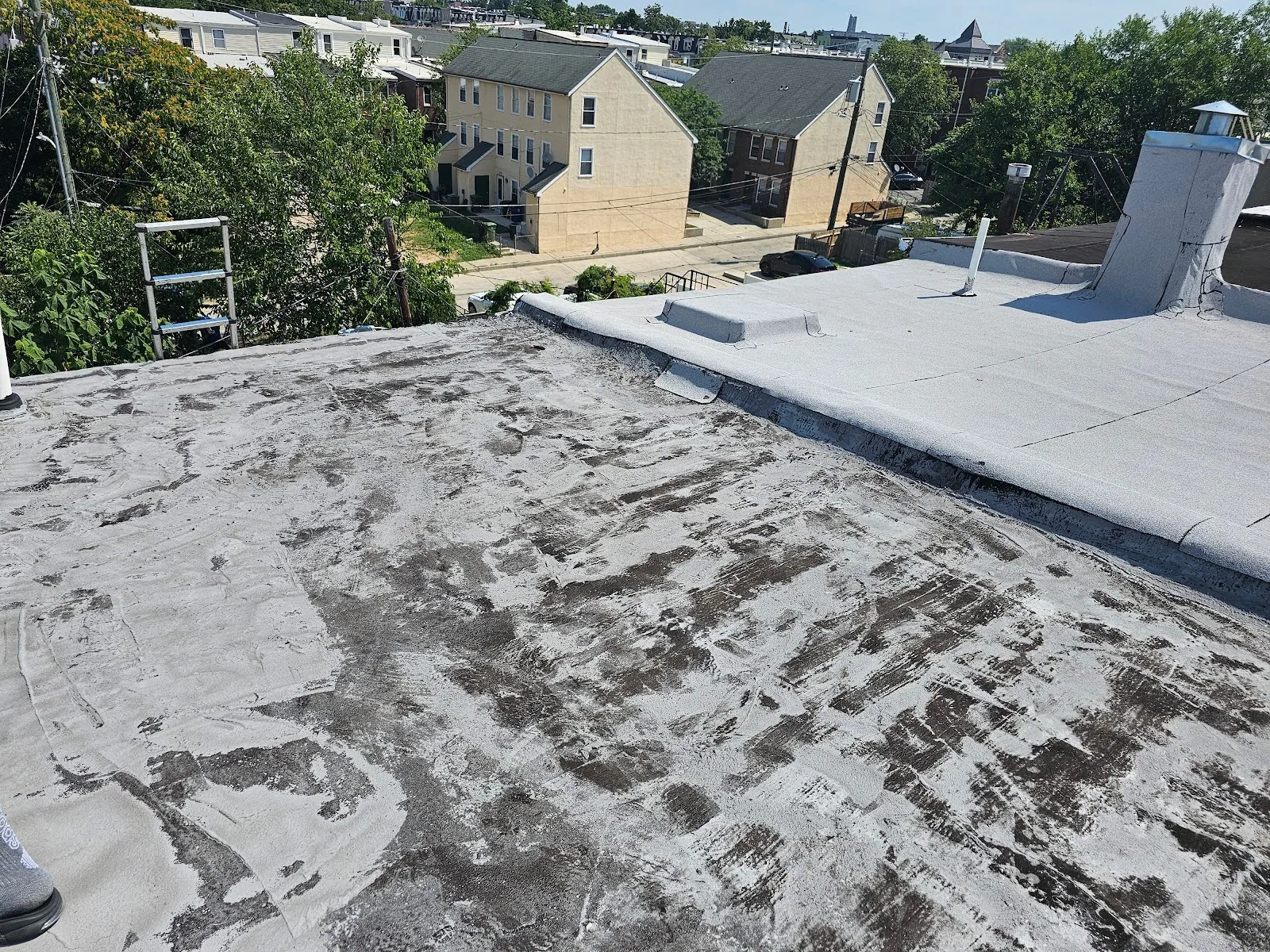
Commercial Wind Damage Roof Repair
Inspect displaced roof parts, trace water entry, and set repair limits with winter dry-in planning for commercial buildings near Fishers, Indiana.
Commercial Ponding Water Roof Repair
Trace standing water to drainage, slope, or membrane conditions, then set a repair boundary for commercial roofs in Fishers, Indiana.
Commercial Roof Flashing Failure Repair
Inspect failed wall, curb, and penetration transitions, then define a repair and dry-in plan for commercial roofs in Fishers, Indiana.
Commercial Roof Seam Failure Repair
Inspect open membrane laps, test the surrounding assembly, and set a practical commercial seam repair boundary in Fishers, Indiana.
Commercial Roof Membrane Puncture Repair
Locate membrane punctures, inspect the surrounding roof section, and set a repair boundary for commercial buildings near Fishers, Indiana.
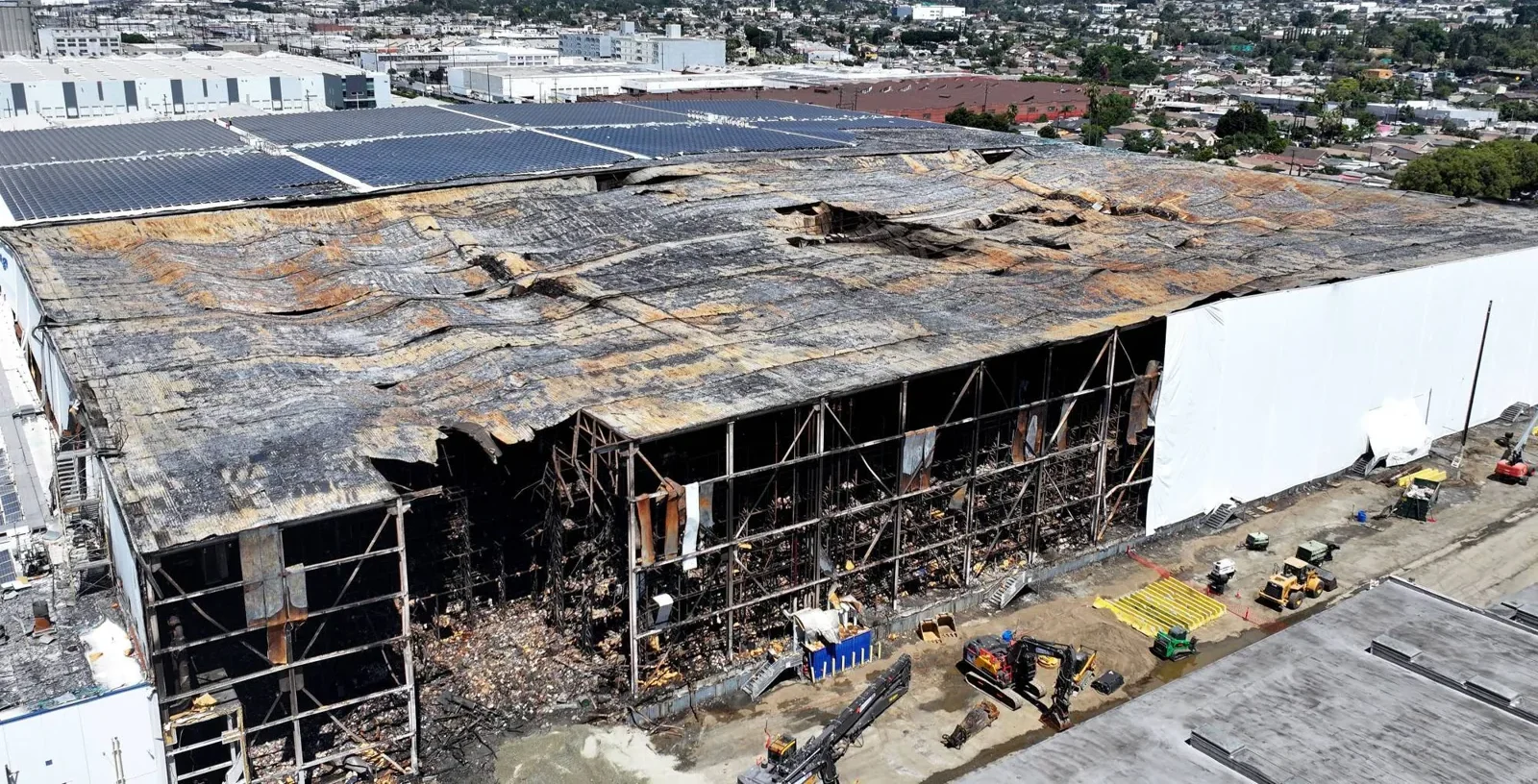
Commercial Fire Damage Roof Repair
Inspect fire, heat, and suppression-water conditions, then define safe commercial roof stabilization and repair in Fishers, Indiana.
Commercial Hail Damage Roof Repair
Inspect reported hail impact, separate functional defects from surface marks, and define commercial roof repairs in Fishers, Indiana.
Commercial Tornado Damage Roof Repair
Set safe roof access, temporary dry-in, and measured repair limits after tornado damage at commercial properties near Fishers, Indiana.
Commercial Snow and Ice Roof Damage Repair
Inspect winter drainage, ice-related openings, and roof conditions, then set a safe commercial repair sequence in Fishers, Indiana.
Commercial Heat and UV Roof Damage Repair
Evaluate brittle surfaces, coating wear, seam movement, and heat-related roof conditions for commercial buildings in Fishers, Indiana.
Roof Damage Repair
What should a damage survey record?
Photos should show the affected section, the suspected opening, nearby details, and any interior impact. We separate fresh damage from older wear when the evidence supports it, note where access is limited, and identify whether insulation or deck testing could change the scope. Wind damage repair and hail damage repair begin with documented conditions rather than an assumption based only on a storm report.
How can severe weather affect the assembly?
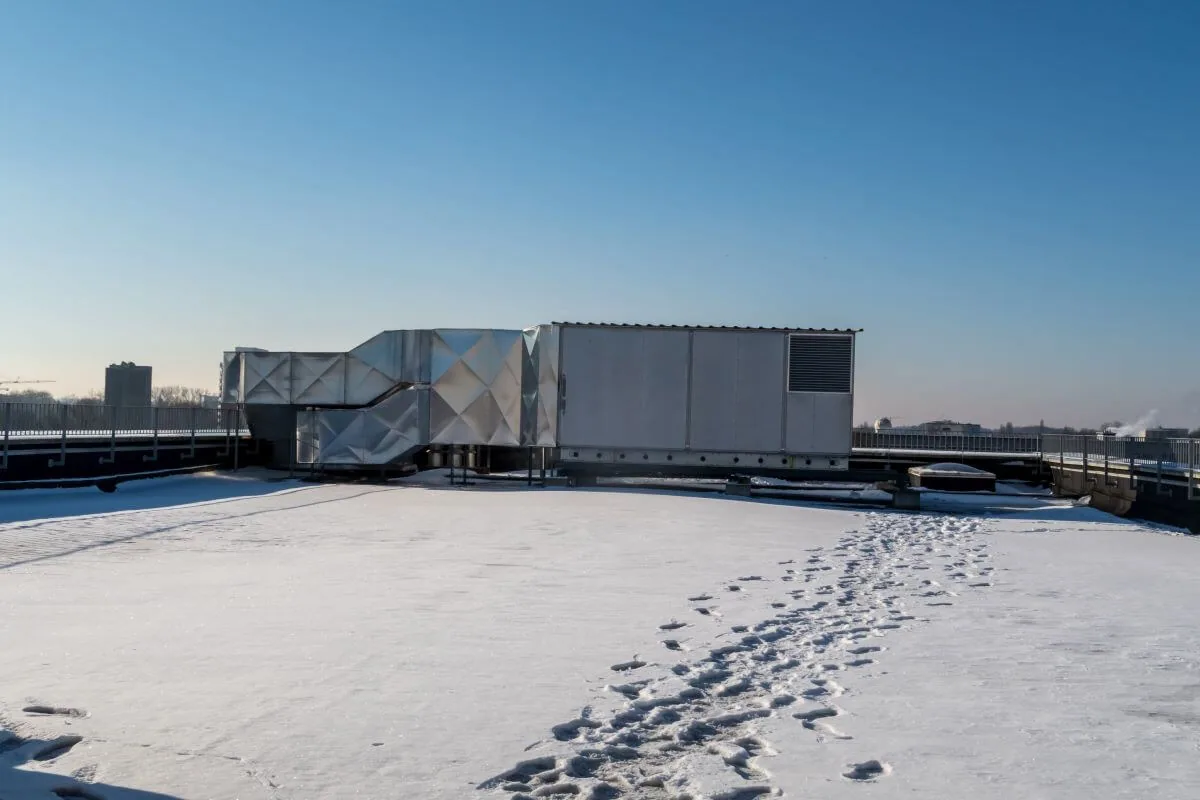
Wind can stress edges and flashings; hail can mark or fracture exposed materials; tornado debris can puncture a membrane or displace metal. Snow and meltwater test drainage at low points and outlets. Tornado damage assessment and snow and ice damage repair require photos, safe access, and a check of the layers beneath visible damage.
When does temporary protection come first?
An active opening may need temporary covering while permanent materials are sourced or testing is arranged. We document the temporary work and state what it is designed to protect. Fire exposure, punctures, or damaged seams may require removal and substrate review before a permanent patch. Fire damage repair can involve more than the surface membrane; puncture repair should include a stable tie in.
Roof Damage Repair
How does the owner compare repair paths?
A contained opening with sound surrounding material may call for targeted repair. Widespread moisture, repeated seam failure, or deck damage can support replacement planning. We record the area, system, insulation, edge details, access, and concealed-condition allowances. Ponding water repair and flashing repair correct different causes, so the work needs to match what the inspection confirms.
After the roof is stable, we compare the documented damage with the surrounding assembly. A single puncture may stay localized, while displaced edge metal or moisture beneath several seams can expand the work. Photos, measurements, and a written boundary support conversations with ownership and the general contractor. If additional testing is needed, the next action and what it will resolve should be clear before opening more material.
Questions Owners Ask
Frequently Asked Questions
Can storm reports confirm roof damage?
They can identify a weather event, but a roof survey establishes the conditions at the building. We photograph visible impacts and note testing needed to confirm hidden moisture or deck damage.
Should the roof be patched before a full inspection?
If water is active, temporary protection may be needed first. We record what the dry in covers, then inspect surrounding details and prepare a permanent scope.
How do you distinguish new damage from wear?
We compare material condition, edges, seams, prior repairs, and available photos or maintenance records. Where timing remains unclear, the report states that limit instead of assigning a cause without evidence.
When does damage lead to replacement?
Replacement may be appropriate when the damage crosses multiple roof sections, moisture is widespread, or the deck cannot support reliable repairs. We document the findings and compare options.