Property Types We Roof
Manufacturing Plant Roofing
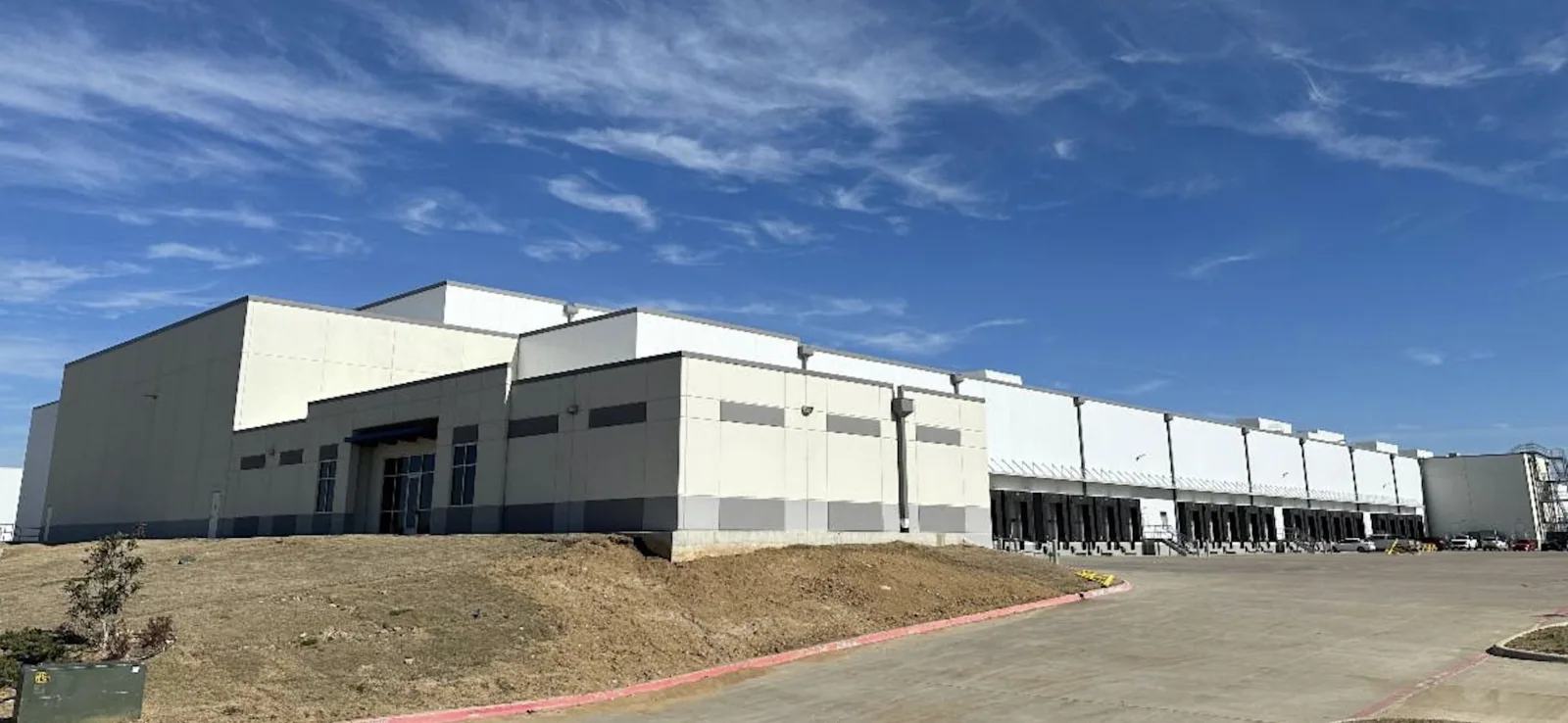
Water above a production line can threaten a process before it reaches the floor. We start with the reported area, trace roof seams and equipment transitions, and ask which operations must remain active. Fishers has a growing life-sciences and manufacturing presence, including a park for suppliers, research, development, and contract manufacturing. At each facility, the site contact sets production restrictions and the roof-access plan; our inspection identifies the installed assembly and work boundary.
The first visit needs a facility contact who can describe access, shutdown authority, clean or controlled zones, and the construction schedule. We mark the roof section and any equipment interface, then keep the proposed work boundary separate from assumptions about interior systems. A warehouse roof inspection centers on storage and shipping. A cold-storage review weighs temperature and vapor boundaries; plant work adds process access and change control. The Fishers Life Sciences and Innovation Park offers a local reference for the area's research and manufacturing activity.
Which process area needs protection?
Before opening a roof, we identify the line, equipment, controls, or material below the affected zone. The facility decides whether production can continue, whether a shutdown is required, and who may authorize a change. We confirm routes for workers, lifts, debris, and replacement material. If an area has a contamination-control or product-protection procedure, the site contact provides it before mobilization. The roofing scope then states where barriers, interior protection, or restricted access are needed.
Fishers reports expansion by INCOG BioPharma Services and Stevanato Group. For a plant project, we follow the facility's current operating rules and keep roofing separate from process validation, equipment cleaning, and production release. We separate roof work from process validation, equipment cleaning, and production release, which remain with the plant's qualified staff. Any planned equipment move requires the responsible trade and owner to approve it.
If water appears near a production asset, we document the interior location and the roof detail above it. A stain may track along a beam, deck flute, or pipe before appearing at the reported point. We inspect accessible seams, curbs, penetrations, drains, and edge transitions, then identify any concealed area. A commercial roof inspection gives the owner photographs, mapped findings, and a test recommendation before the repair quantity is set.
How do we verify the roof assembly?
Plant records may name a system that later work has altered. We compare drawings and closeout documents with visible membrane, metal, insulation, fasteners, and repair layers. At a transition, we check whether incompatible materials or movement have opened the connection. If markings are unavailable, the report describes what we observed and what remains unverified. A small sample or test weld may be needed before selecting a permanent material or widening a repair.
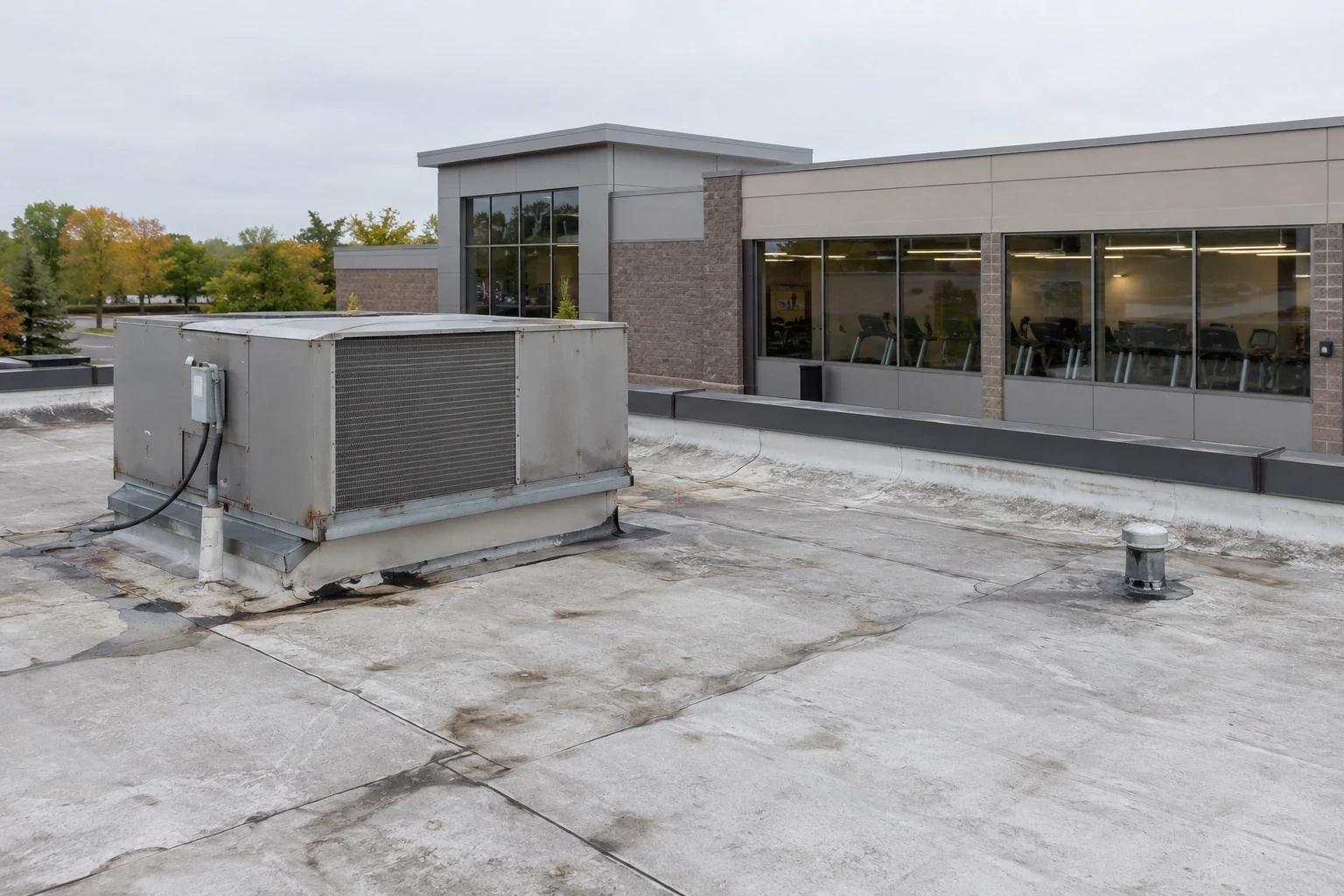
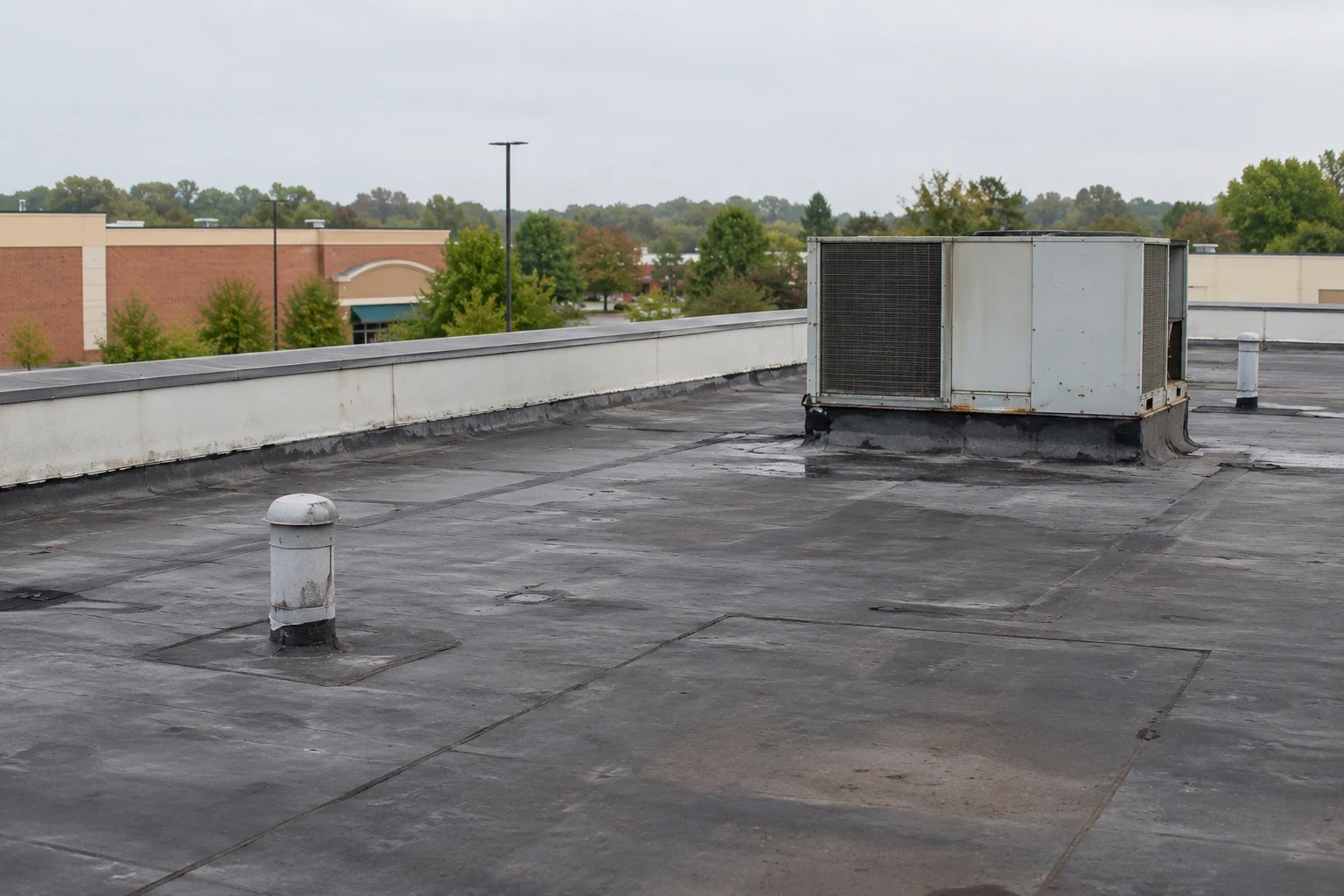
Manufacturing roofs can contain exhaust, process piping, vents, conduits, and curbs that other trades service. We note which penetrations are open, which are supported, and which require another contractor's direction. A penetration flashing review focuses on the roof-side connection, not the operating performance of the equipment. If an HVAC or process vendor must remove a component, we coordinate the handoff and inspect the completed roof detail after that trade finishes.
Indiana enforces its 2014 Building Code under 675 IAC 13-2.6, based on the 2012 International Building Code with state amendments. Permit requirements depend on the work and local authority. We identify the code or design documents supplied for the project and include applicable submittals in the proposal. A project-specific structural review confirms existing roof capacity and any required retrofit design.
Property Types We Roof
What does the weather window allow?
At Indianapolis, June precipitation averages 4.95 inches. A plant roof opening needs a defined closure limit and enough time for surface preparation, tie-in, and weather protection before the next shift.
After a reported storm, the inspection documents actual movement, punctures, metal damage, open seams, and wet areas. An EF2 tornado recorded in 2024 began in Hamilton County and continued into Madison County. We compare the reported date and roof section with observed movement, punctures, metal damage, open seams, and wet areas before setting a storm-repair scope. Fishers District's planned headquarters and mixed-use phase creates a different construction setting, so the general contractor identifies any shared access or tie-in before work. A tornado-damage review begins with observed roof and perimeter conditions, then records temporary protection separately from permanent repair.
Property Types We Roof
Where should a repair stop?
We define a repair limit where sound roof material can support a compatible tie-in. The proposal identifies the assembly, preparation, removal area, materials, and testing included. If opening the roof reveals wet insulation, corrosion, or a weak deck, the crew protects the section and documents the new finding. Added work requires approval. That pause matters when a larger opening could affect production equipment, overhead clean areas, or the day's dry-in limit.
A coating may be considered on a prepared, compatible surface, but it does not resolve wet insulation or a failed drain. A recover can reduce removal only when retained layers are dry, attached, and suitable for another system. Replacement should state demolition, deck repair, insulation, transitions, equipment interfaces, and temporary closure by shift. We compare alternatives on the same measured roof plan so a plant manager can weigh operational disruption along with material and access cost.
When one leak report concerns a high-consequence process space, a small test can be more useful than broad removal. We agree where to test, who protects the operation, and how the opening will be restored. A moisture survey can help prioritize test locations. It does not certify all roof areas as dry. The written record keeps tested points, untouched zones, and inferred water paths distinct.
How will other trades complete the interface?
Roofing at a plant can meet mechanical, electrical, fire-protection, controls, and process work. We list each interface, the trade responsible, the required access date, and the inspection point that releases the next step. Where a unit must remain energized, the facility identifies the safe work boundary. We do not bypass site lockout or equipment procedures. If a schedule shift changes access, the roof section is re-sequenced and secured before the crew leaves.
A phased reroof plan can divide production areas into approved zones and provide a daily handoff. A drainage scope can be scheduled with the same sequence if drains or overflow routes are affected. The field record notes who inspected each tie-in and which detail remains open. At closeout, the owner receives photos, materials, test results, areas not reached, and the next check date.
Share the roof section, process constraints, existing plans, access window, leak history, and construction milestones. We will inspect the approved area, describe the repair boundary, and identify what test or trade handoff could change the scope. The recommendation will separate confirmed roof work from decisions that belong to plant operations.
Talk to Our Roofing Team
Call 555-555-5555 or request a roof assessment. Tell us the address, the roof type if you know it and where water or damage is showing. We work across Fishers, Carmel, Noblesville, Westfield, Zionsville and the surrounding communities.
Frequently Asked Questions
Can roof work continue while the production line is running?
The facility decides whether the line may stay active. We review the area below, access routes, controls, and the approved work boundary, then sequence roofing around the site's operating limits.
What if the roof plan does not match the installed system?
We document the visible membrane, metal, attachment, and repair layers. If the assembly remains uncertain, the proposal identifies a sample or test needed before permanent materials are selected.
How do you coordinate rooftop equipment shutdown at a Fishers plant?
We identify curbs, supports, penetrations, and interfaces. The authorized equipment contractor controls shutdown, disconnection, and movement unless the project assigns that work separately.
Does a moisture survey prove the whole plant roof is dry?
No. A survey helps select areas for confirmation. We record the surveyed zone and any test opening separately, then identify sections that were not assessed.
What belongs in the plant roof closeout?
The record should identify repaired zones, materials, photographs, testing, trade interfaces, dry-in status, and remaining conditions. We also note who owns each follow-up item and when it should be checked.
Fishers, IN
Set the plant roof scope
Share the affected roof section, process constraints, plans, access window, leak history, and construction milestones. We will map the approved area and identify the next scope decision.