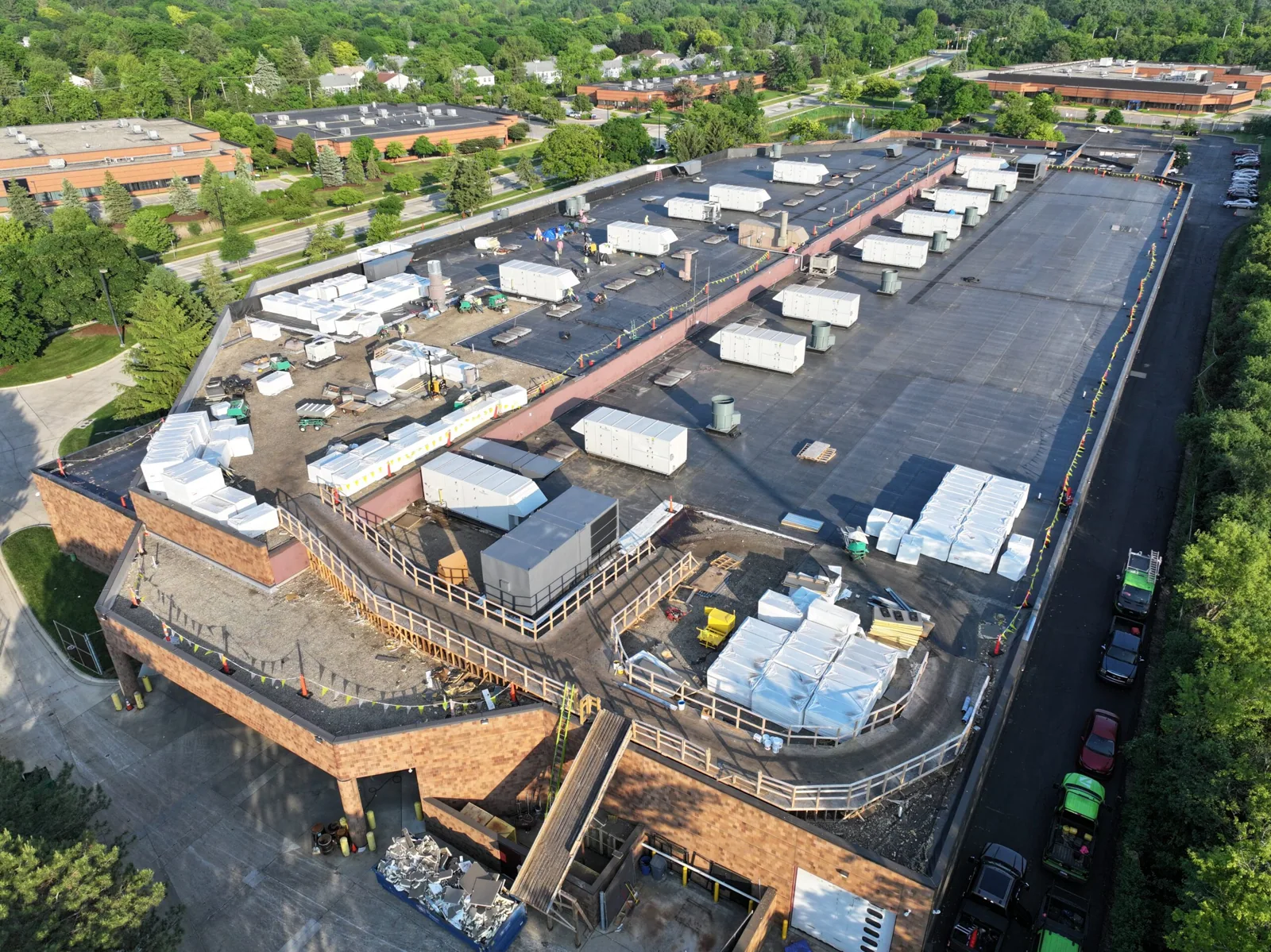
Serving Fishers, IN and Hamilton County
Roof Systems
Membrane choice follows the assembly already on the building, its condition, and the work the owner needs it to do. We identify the existing layers, drainage, attachment, and transitions before recommending a new system or repair material. Fishers' commercial core follows I-69 and State Road 37, and city planning highlights corporate offices, retail, life-sciences manufacturing, and event venues. We inspect the roof assembly and confirm access before recommending a system. A compatible tie in and dependable dry in plan matter as much as the product name.
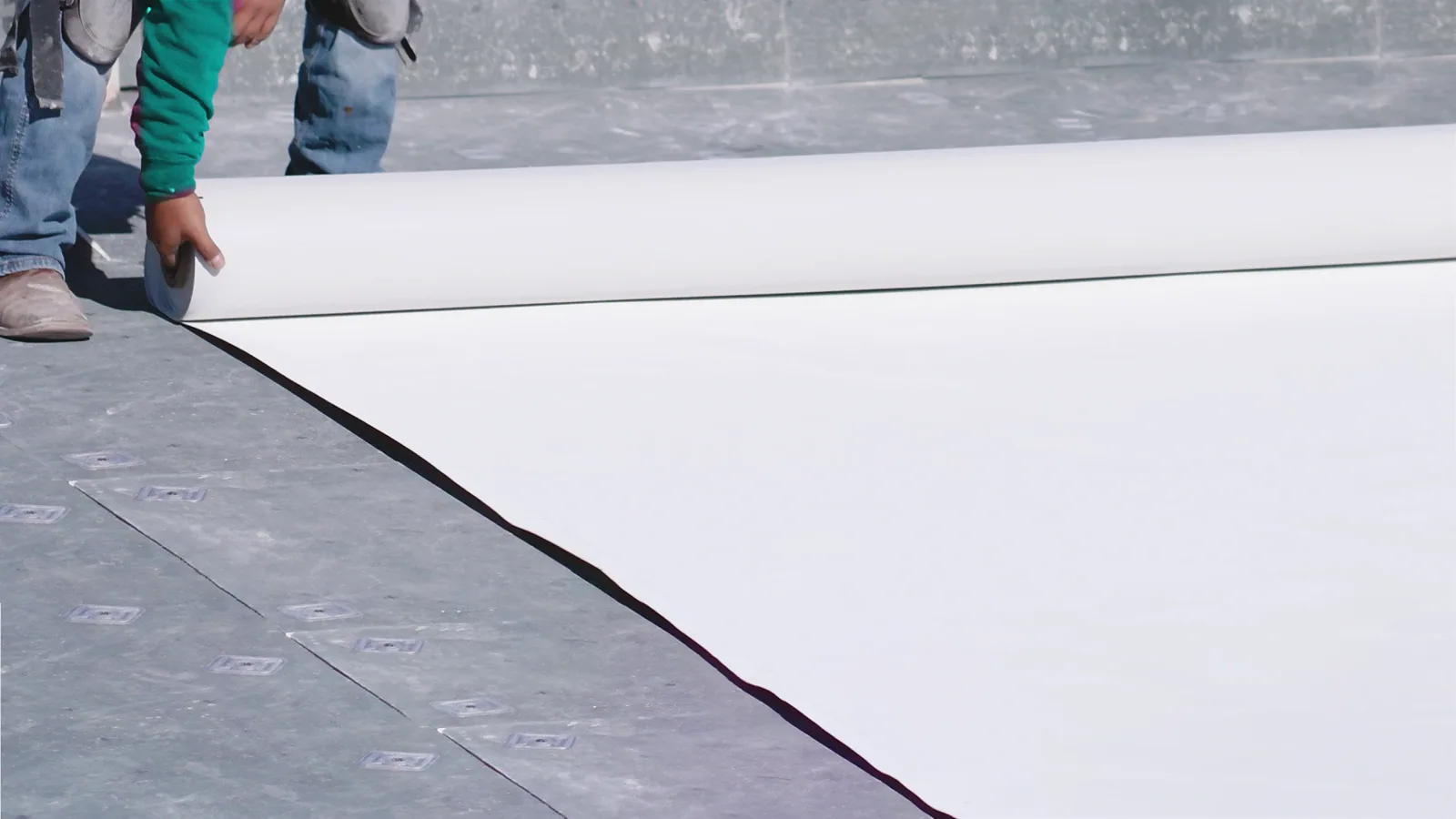
TPO Roofing
Inspect and repair TPO roofs in Fishers, IN, with attention to heat welds, drainage, winter dry-in, and occupied-site sequencing for owners.
PVC Roofing
Evaluate PVC roofing in Fishers, IN, by checking seams, chemical exposure, drainage, repairs, and the construction sequence for owners.
EPDM Roofing
Inspect EPDM roofs in Fishers, IN, by tracing seam and flashing failures, checking attachment, and planning repair around winter exposure.
KEE Roofing
Inspect KEE roofing in Fishers, IN, by verifying the membrane, seam condition, repair compatibility, and capital scope before work begins.
Modified Bitumen Roofing
Inspect modified bitumen roofs in Fishers, IN, by checking laps, surfacing, drains, insulation, and the limits of prior repairs before work.
Built-Up Roofing
Evaluate built-up roofing in Fishers, IN, by checking ply condition, surfacing, drainage, and repair limits before renewal planning begins.
Standing Seam Metal Roofing
Inspect standing seam metal roofs in Fishers, IN, for panel movement, fastener and flashing conditions, drainage, and repair timing.
Metal Roof Retrofit
Plan a metal roof retrofit in Fishers, IN, by reviewing panel attachment, substrate, condensation risk, drainage, and construction sequencing.
Spray Polyurethane Foam Roofing
Inspect spray polyurethane foam roofs in Fishers, IN, for coating wear, wet areas, adhesion, drainage, and restoration timing for owners.
Silicone Roof Coatings
Evaluate silicone roof coatings in Fishers, IN, by checking adhesion, ponding, moisture, surface preparation, and closeout requirements.
Acrylic Roof Coatings
Assess acrylic roof coatings in Fishers, IN, with attention to drainage, surface preparation, seasonal application windows, and repair boundaries.
Roof Systems
How do single ply membranes differ?
TPO, PVC, EPDM, and KEE systems use different materials and joining methods. We check the membrane type, seam condition, attachment, cover board, and flashing before specifying a repair. A patch should be compatible with the verified roof, not selected by color or surface appearance. TPO roofing, PVC systems, and EPDM roofing each require details that match their assembly.
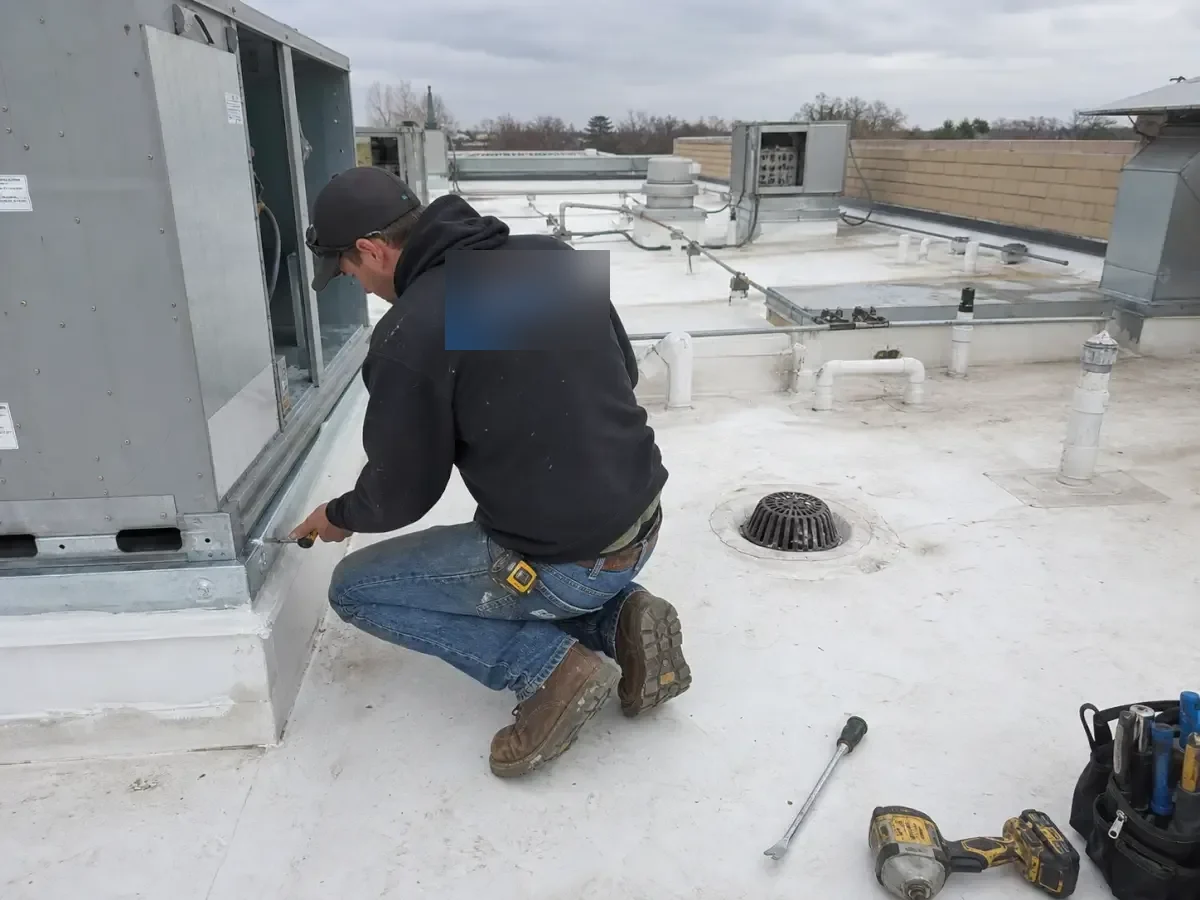
What about multi layer or metal assemblies?
Built up and modified bitumen roofs depend on layered surfacing and secure transitions; standing seam and retrofit metal rely on panel joints, clips, fasteners, and flashing. A roof walk checks movement, corrosion, failed laps, and water routes before a repair detail is chosen. Modified bitumen, built up roofing, and standing seam metal are distinct system paths.
When can restoration extend service life?
Coatings and spray foam can be options when the existing substrate is suitable and the moisture condition is understood. A coating cannot correct wet insulation or a failing deck. We check adhesion, drainage, penetrations, and existing layers before setting a restoration scope. Silicone coatings and spray foam roofing each require preparation and a plan for the details that remain vulnerable.
Roof Systems
What should guide a system choice?
Compare the assembly, repair history, drainage, access, energy goals, penetrations, cost drivers, and work sequencing. Indiana currently enforces the 2014 state building code, based on the 2012 IBC with amendments. We account for applicable requirements as part of project review. Metal retrofit roofing and KEE membrane are evaluated against the roof and project conditions rather than treated as a universal upgrade.
System selection also depends on how water leaves the roof and how details can be maintained. A sound membrane with a blocked outlet may need drainage work before any restoration choice is made. A metal panel with movement at clips needs a different review than a membrane seam. We note those distinctions so the proposal identifies preparation, compatible materials, and a closeout check instead of only naming a product family.
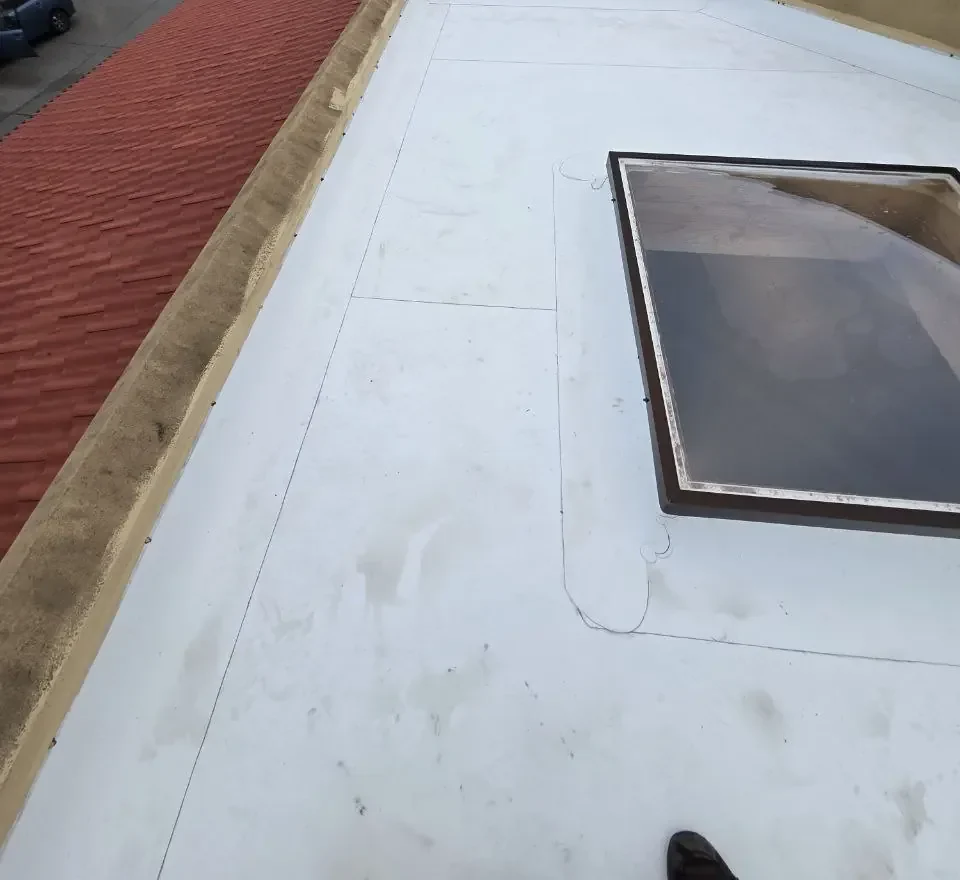
Questions Owners Ask
Frequently Asked Questions
What conditions must be clear before adding a membrane over a Fishers roof?
Before adding a membrane, the existing roof must be dry, attached, compatible, and suitable for the added system. We inspect drainage and detail heights, then identify any test needed before recommending a recover.
Can a coating stop a leak by itself?
A coating may restore a suitable surface, but it cannot replace wet insulation, repair a weak deck, or correct every drainage problem. The substrate and details have to qualify.
How do you choose between TPO and EPDM?
The existing assembly, required details, compatibility, and project priorities shape the comparison. We inspect first and describe the options against the building in scope.
What should be checked after installation?
Seams, flashings, drains, penetrations, edges, and closeout conditions should be reviewed and recorded. That field record supports future maintenance.