Serving Fishers, IN and Hamilton County
Industries We Serve
A roof program has to fit the people who use the building and the decisions they own. A property manager may need a repair boundary and tenant notice; a manufacturer may need an access window that protects production. Fishers’ economic mix includes life sciences, corporate offices, retail, event venues, and sports facilities, with a commercial core around I-69 and State Road 37. We document the assembly and condition first, then shape communication and sequencing around the operating team.
Property Management Companies
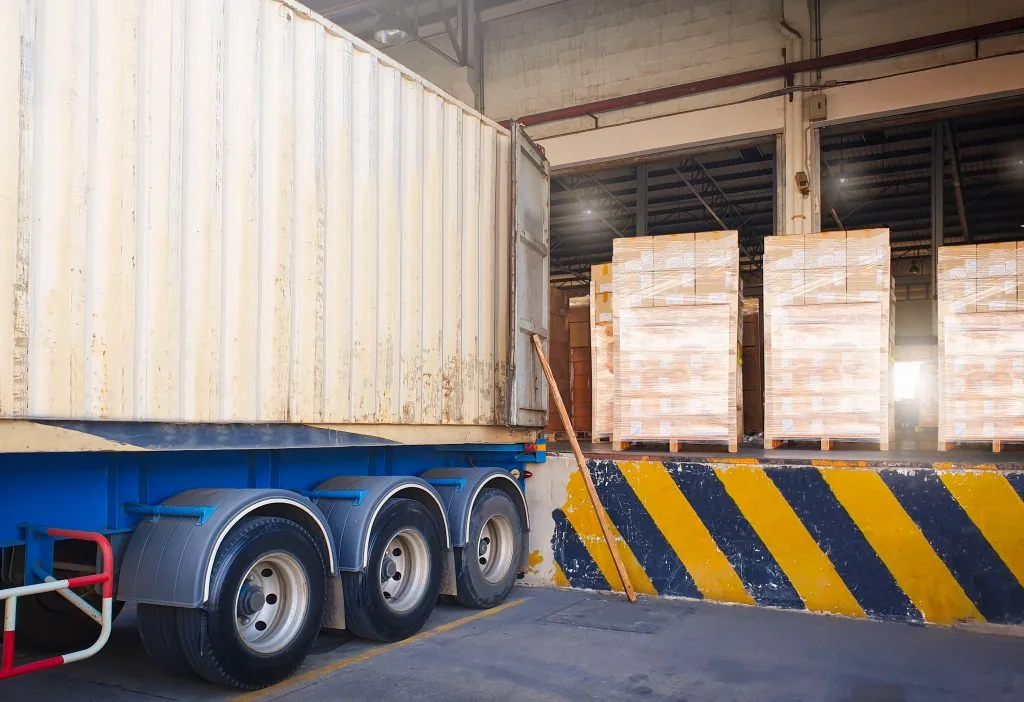
Coordinate roof repairs, inspections, and capital planning across managed properties with building-specific records and clear approval boundaries.
Real Estate Investors and REITs
Evaluate roof condition, repair exposure, and renewal options across commercial assets with evidence tied to each building and transaction.
Healthcare Systems
Coordinate roof inspections and repairs across hospitals, clinics, and support buildings with patient-area controls and system-specific records.
Manufacturers
Inspect and repair manufacturing roofs with work zones, equipment interfaces, moisture findings, and production windows defined up front.
Logistics and 3PL Operators
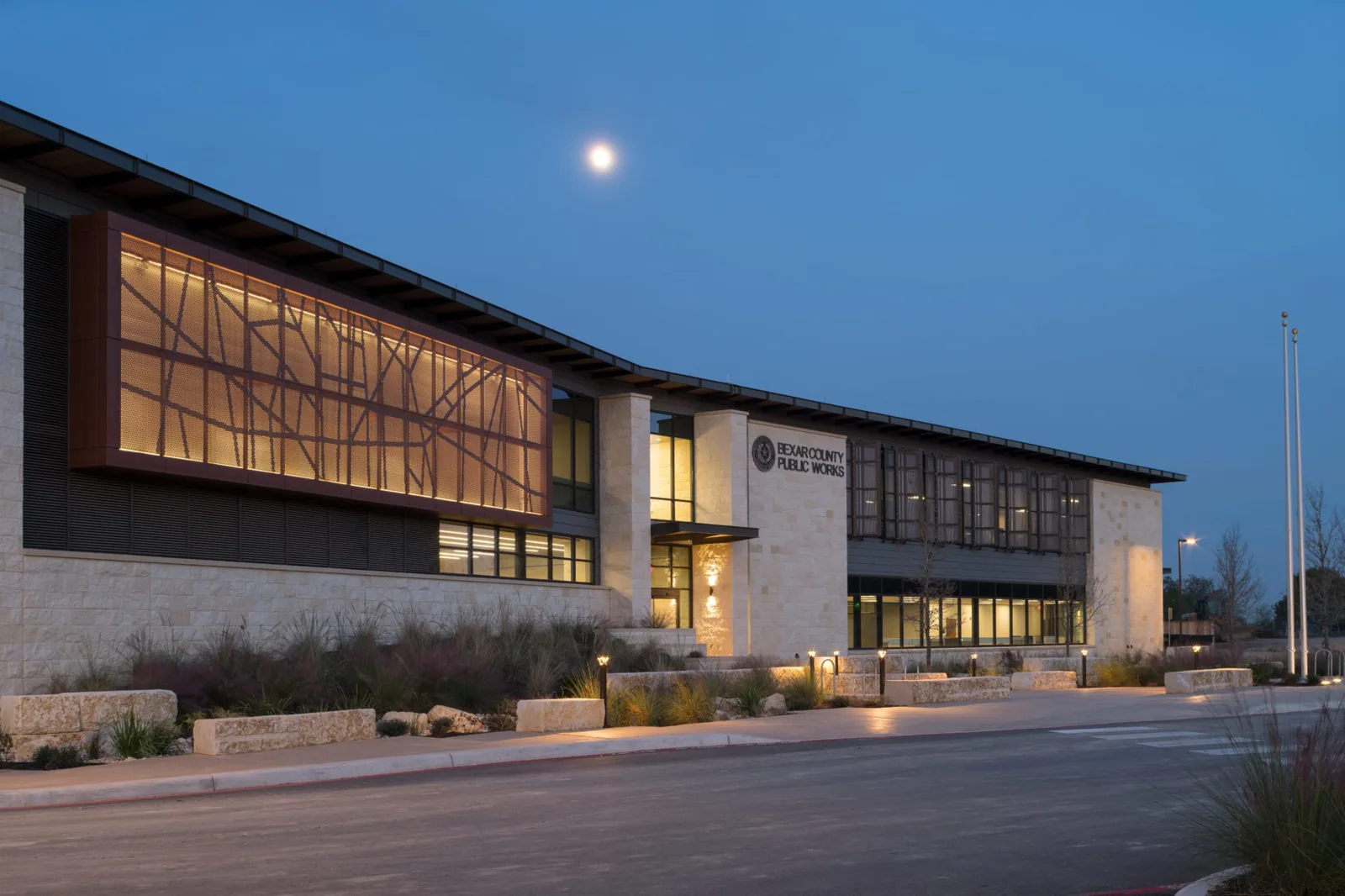
Schedule warehouse and fulfillment roof work around dock flow, fleet access, tenant obligations, and the operating window for each facility.
School Districts
Plan school roof inspections and repairs around class schedules, student movement, facility access, and weather-ready daily work zones.
Public Agencies
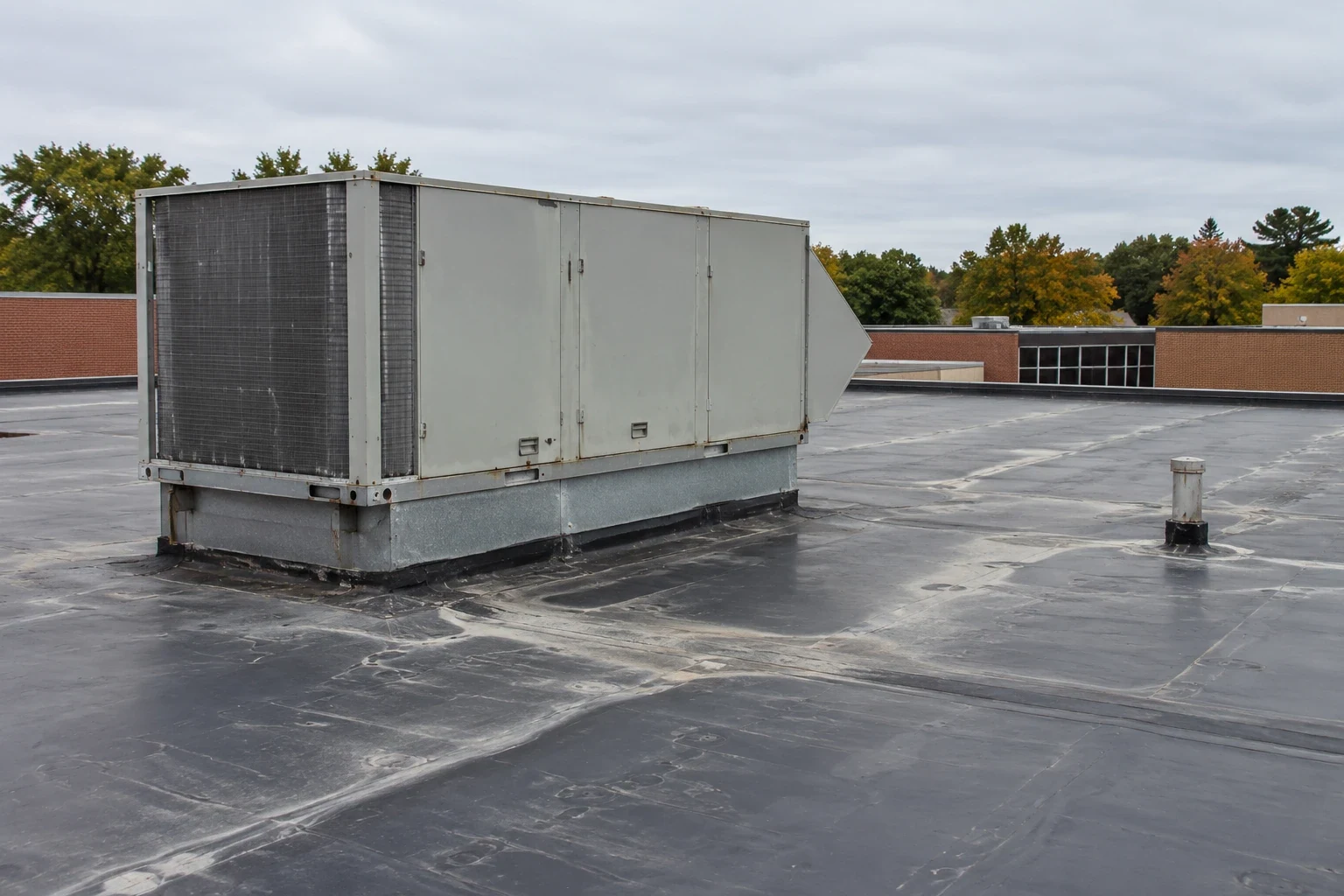
Document public-building roof conditions, repair limits, access requirements, and phased work for municipal and agency facilities.
Retail and Restaurant Chains
Coordinate roof repairs across stores and restaurants with site-specific scopes for customer access, kitchen equipment, tenants, and brand operations.
Hospitality Groups
Plan hotel and venue roof work around guest areas, event calendars, food service, room turnover, and documented building-specific conditions.
General Contractors
Coordinate roof scopes, submittals, penetrations, tie-ins, and dry-in with field records that support a general contractor's schedule.
Insurance Restoration
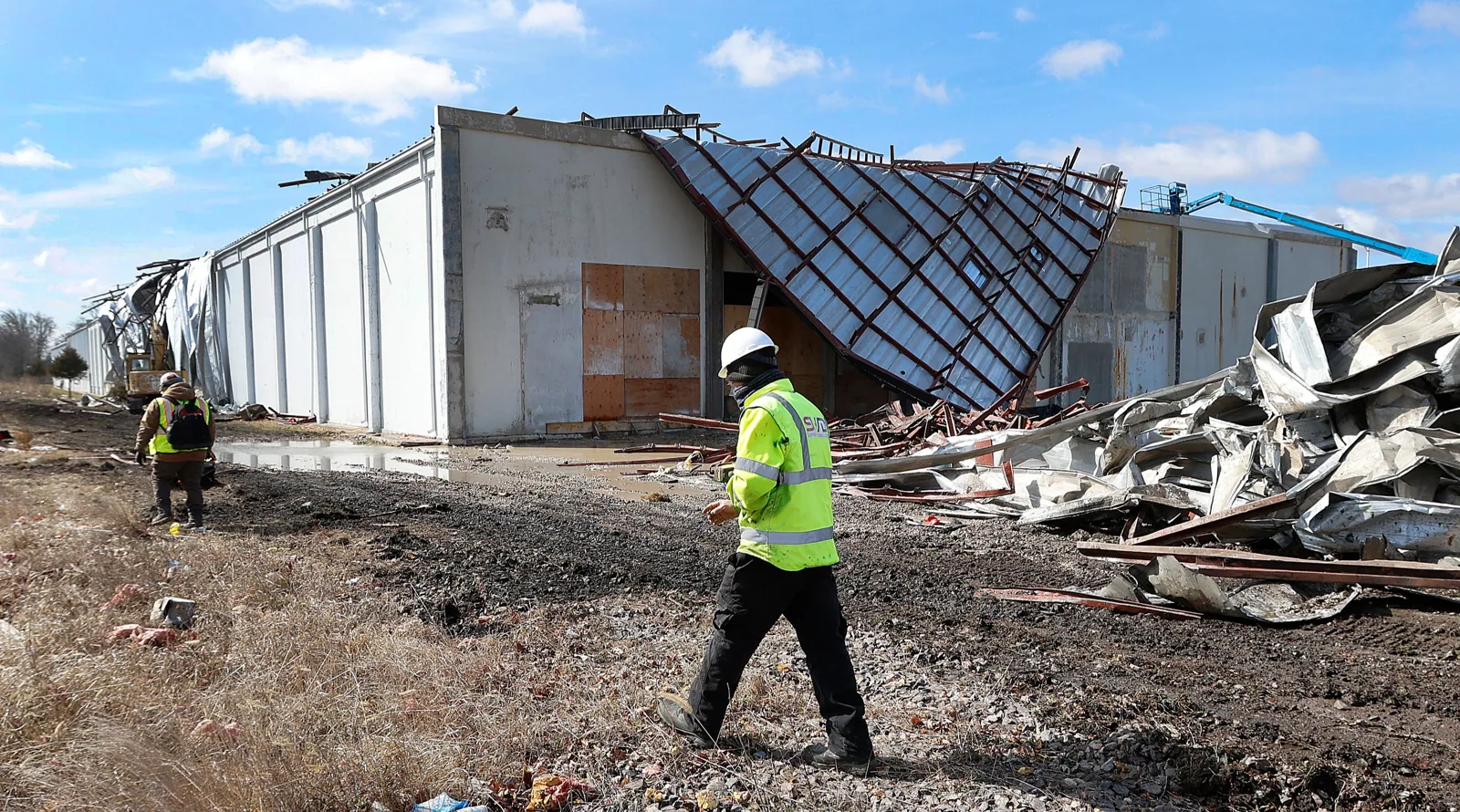
Document storm-related roof conditions, temporary protection, repair quantities, and open questions for property owners and restoration teams.
Industries We Serve
What helps a portfolio team compare buildings?
Consistent condition records help managers rank urgent repairs, planned replacements, and follow up without pretending every roof is alike. We photograph the assembly, map open conditions, and note access limits and testing needs. Property management companies and real estate investors can use those records to support scope and capital discussions.
How does roof work fit production and delivery?
Manufacturing and logistics sites may rely on loading, equipment, shift changes, and controlled access. We confirm staging, noisy tasks, material movement, and daily dry in with the site contact. Manufacturers and logistics operators need a clear handoff when roof work overlaps mechanical or electrical trades.
What changes for public or care environments?
Healthcare, schools, hospitality, and public agencies may need room protection, notice, security steps, or restricted work hours. We coordinate the sequence around the specific facility and document any unresolved roof section. Healthcare systems, school districts, and public agencies can use the same field record while setting different access plans.
Industries We Serve
Where do general contractors fit?
Roofing details can be affected by curbs, conduit, parapets, and facade work. We identify who completes each transition and check the finished interface before closeout. General contractors can coordinate that handoff with the roofing sequence and keep the dry in boundary clear.
For each client, we keep observations separate from decisions. A condition report can show the active leak, the likely water path, and the test still needed before a larger commitment. The owner or facility lead can decide whether to approve stabilization, maintenance, or a capital scope. When several teams are involved, a marked roof section and dated photographs make it easier to assign the curb, flashing, and closeout work to the right trade.
Questions Owners Ask
Frequently Asked Questions
Can one roof report cover an entire portfolio?
A portfolio can use a consistent format, but every assembly and condition needs its own findings. We identify differences and keep each repair boundary tied to the specific building.
How do you protect production or tenant operations?
We confirm access, deliveries, noisy work, staging, and daily closeout with the site contact. The sequence is adjusted to the building schedule and roof condition.
Can you help after storm damage?
We document visible conditions with photographs and separate emergency stabilization from permanent repairs. The owner can use that field record when planning next steps.
What should a contractor handoff include?
It should name responsibility for curbs, penetrations, wall transitions, daily dry in, and final inspection. A clear handoff reduces the chance that a finished roof detail is reopened without coordination.