Property Types We Roof
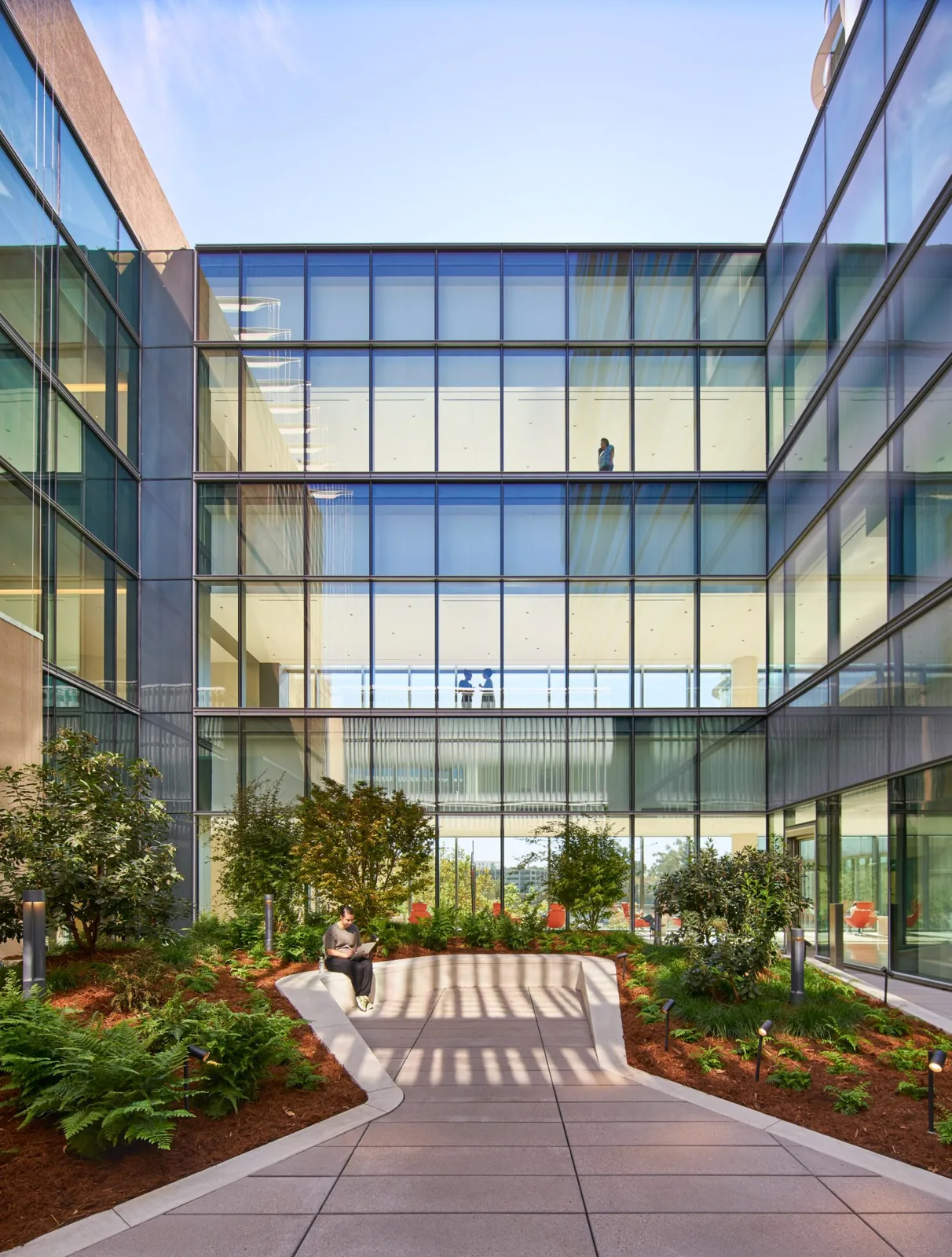
College and University Roofing
A campus roof decision can stall when the building record does not match what crews find in the field. We start by identifying each roof section, the reported condition, and the access limits. Indianapolis winter normals support seasonal checks of roof access and drainage. We photograph accessible details, verify the assembly, and list any test opening that could change a repair, recover, or replacement scope.
Which roof assembly is actually in place?
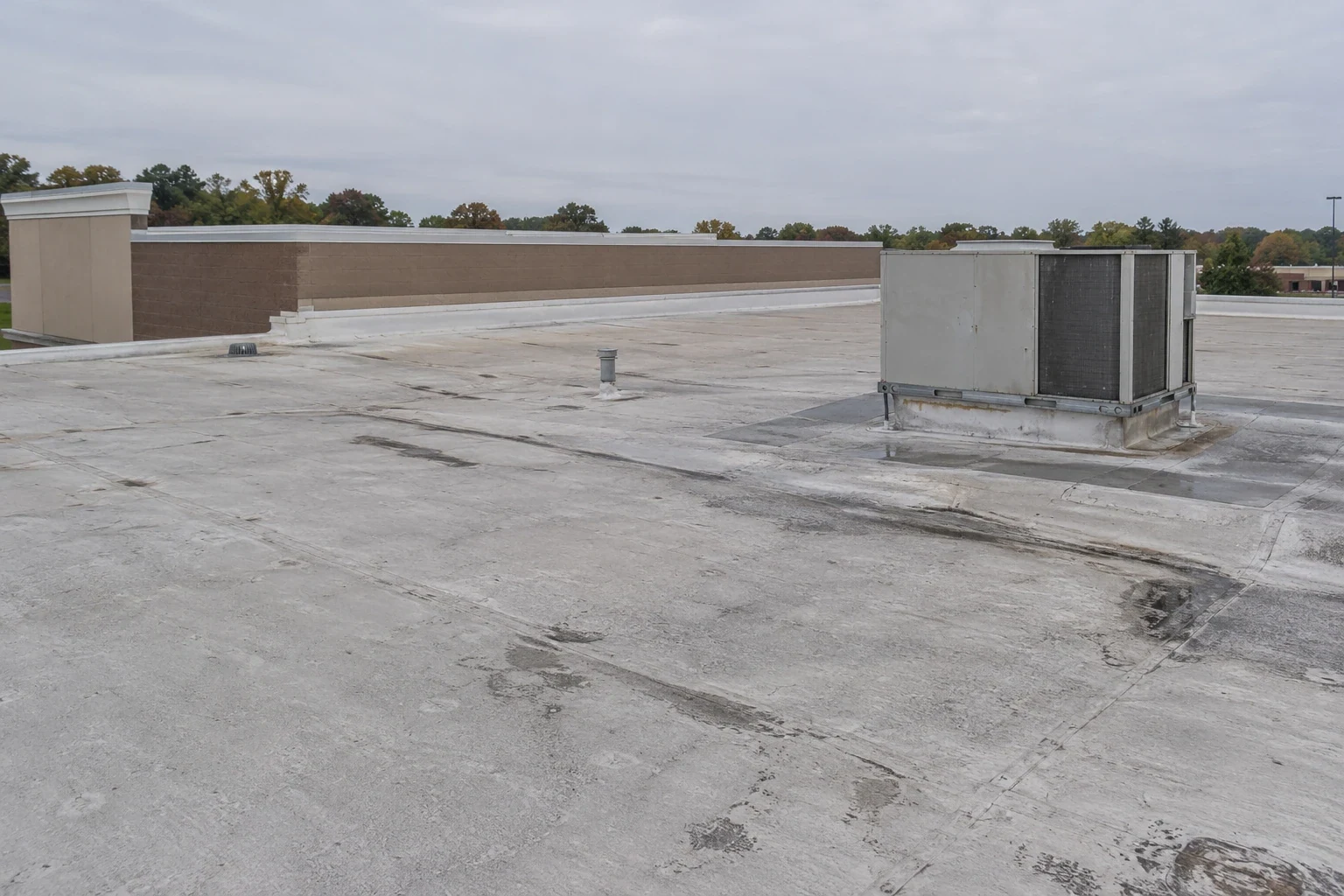
A campus drawing may show an earlier configuration. We compare plan sheets, service notes, roof access, and visible seams to identify membrane, insulation, cover board, and attachment. Separate wings can differ even when they share one building name. We mark each roof area and keep measurements distinct. If an area is concealed or unsafe to reach, the record names the limitation rather than extending one observation across the campus. A commercial roof inspection documents accessible details and notes where testing is needed. That record lets the owner and general contractor price a consistent scope instead of making assumptions from building use or age.
A useful campus register distinguishes verified roof sections from buildings still awaiting inspection. We record the membrane, visible edge conditions, repair history, access route, and the next action for each area. If drawings identify a different system than the field shows, we note the discrepancy and identify whether a core or test opening would settle it. A planned addition or laboratory upgrade may change access and penetrations, so the general contractor should share current drawings before the roof scope is finalized. That coordination keeps old details from becoming new assumptions in a bid package.
What does winter water reveal?
Indianapolis normals report about 25.5 inches of snowfall in an average year, with winter accumulation concentrated in December, January, and February. Meltwater tests drains, overflow paths, and roof-to-wall transitions; refreezing can limit access before a follow-up check. We inspect outlets when conditions are safe, then return to areas that were blocked by ice. The report notes standing water, debris, and visible damage separately. A drainage inspection can identify an accessible maintenance issue or recommend further slope review. The key distinction is whether the water route is open and whether the assembly remains intact around it.
Drainage deserves a separate line in the project review. We follow the route from the field to each outlet and note sumps, overflows, scuppers, low areas, and transitions near mechanical equipment. A roof can appear serviceable in dry weather while showing restricted flow after thaw or spring rain. We document weather at inspection and return when ice or unsafe conditions limit access. A clear record lets facilities decide whether cleaning, localized repair, or further slope investigation belongs in the current phase. It also helps the next project manager understand why one roof area was held for testing.
Property Types We Roof
How can work fit academic operations?
Campus facilities identify exams, events, research operations, housing schedules, and restricted rooms that affect roof access. We plan staging, lift routes, material movement, noise, and daily dry-in with the general contractor. A phased roof schedule can isolate a wing or building and provide a closeout point before the next area opens. If equipment shutdown or lab exhaust changes are involved, the responsible campus contact coordinates those steps with its vendor. We define the roofing boundary and record what another trade must complete before flashing can be closed.
A campus often has adjacent buildings with different users, access rules, and repair histories. We keep findings local to each roof section, then compare risk and work windows across the estate. A school roof review uses a similar calendar-based approach, while university buildings may add laboratory access, housing turns, and event periods. An office roof inspection adds tenant coordination and can help a campus compare common-area staging needs. The actual assembly, water path, and approved entry route still determine every project boundary. A campus schedule can divide work by wing, roof level, or drainage zone. We set one closeout point for each area, note the room or operation below that needs protection, and list who accepts the section before the crew moves to another building. If equipment, research, or event activity changes the approved window, the general contractor can reset staging and daily dry-in without losing the roof map reference. That keeps progress measurable across a multi-building project while each inspection remains tied to its own assembly and findings. Before a test opening, we identify room protection, air-handling constraints, and how the patch will be restored. Any follow-up uses the same bay and photo labels, so the team can distinguish repaired layers from later changes.
Property Types We Roof
When should the project move beyond repair?
A local seam or curb defect may remain within a defined repair boundary when the adjacent roof is dry and secure. Widespread moisture, repeated failures, or a deteriorated deck can shift the decision toward replacement. We compare repair, recover, and tear-off against the same roof sections, then state what test or opening would reduce uncertainty. A membrane option is evaluated for substrate and project requirements, not campus building type. A recover review checks layer count, drainage, perimeter height, and attachment before another assembly is considered.
How do location and logistics shape the work?
I-69 and State Road 37 form the core of Fishers' commercial geography and connect the city with Indianapolis and Hamilton County destinations. That regional access can help plan deliveries, but the actual campus controls entry, loading, escorts, and roof routes. The Fishers District includes event, retail, and residential uses. For a campus roof project in that mixed-use setting, the facility contact confirms roof entry, staging, and protected areas. Closeout lists sections completed, photos, repairs, and open items. Send the roof plan, leak history, construction schedule, and access rules for a review that supports the next capital decision. The property's access window and loading route shape deliveries and crew staging. A university has its own public events, class schedules, security steps, and contractor check-in. We confirm those requirements before mobilization and put them in the sequence so the crew's access window is not assumed.
Before approving a capital phase, the project team should identify what will be removed, what remains, and how the roof is protected between shifts. We mark the completion point for each section and keep concealed-condition work separate from the base scope. If another trade must finish an equipment connection, the handoff is recorded before the area is closed. The final file includes photographs, quantities, test locations, and any follow-up check. Facilities can carry those details into the next budget review without treating one campus building as a proxy for the rest.
Talk to Our Roofing Team
Call 555-555-5555 or request a roof assessment. Tell us the address, the roof type if you know it and where water or damage is showing. We work across Fishers, Carmel, Noblesville, Westfield, Zionsville and the surrounding communities.
Frequently Asked Questions
Can one survey cover multiple campus buildings?
We can coordinate a campus program, but each building receives its own assembly, findings, and limitations. That keeps one roof condition from being applied to another.
What if drawings do not match the roof?
We record the discrepancy, inspect what is accessible, and identify the test or opening needed to confirm the assembly. Quantities stay provisional until the evidence supports them.
How is a recover compared with replacement?
We review moisture, attachment, layer count, drainage, and perimeter details. If the retained assembly cannot support another layer, replacement becomes the clearer scope.
Can roof work happen during classes?
The campus sets access and operating restrictions. We plan by work zone, coordinate notices and staging, and secure each section at the end of the approved shift.
What records should be delivered at closeout?
The package should identify roof areas, installed materials, repairs, photos, tests, and unresolved conditions. It should also note work assigned to other trades.
Fishers, IN
Review the campus roof sections
Send the roof plan, leak history, construction schedule, and access rules. We will verify the assembly and define the next scope decision.