Commercial Roofing Services
Occupied Building Commercial Reroofing
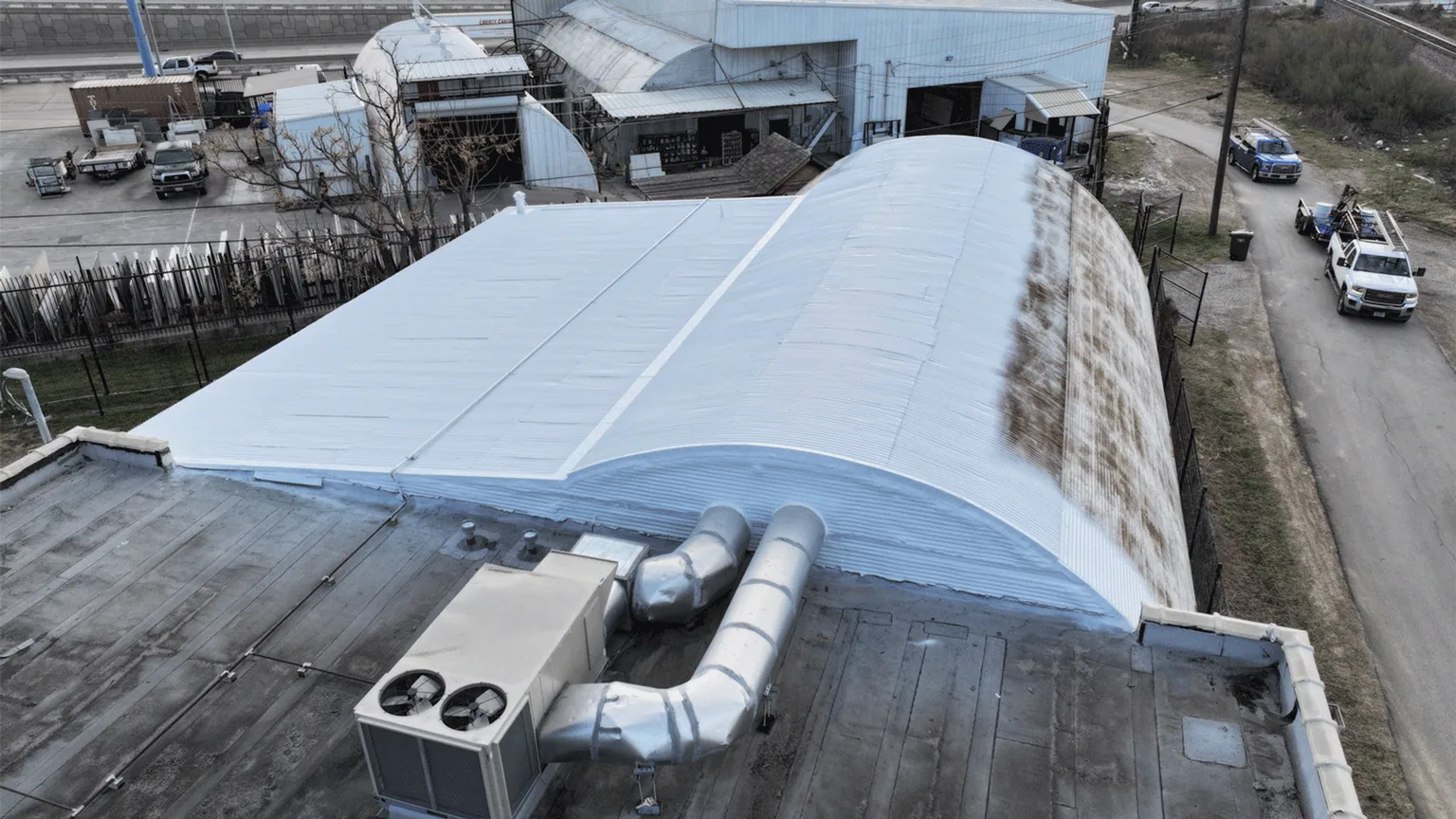
A roof section can be replaced while a building stays open, but only if access, protection, and the daily stopping point are planned before removal. We map occupied areas beneath the work, confirm the roof assembly, and divide the project into sections that can be closed safely. In Fishers, changing weather and winter freeze-thaw add pressure to each dry-in handoff. The general contractor receives a sequence that names who clears the work zone, which trade is next, and what condition must be restored before the building resumes normal use.
Which Areas Must Stay Open?
Before mobilization, the facility contact identifies occupied hours, entrances, delivery routes, loading areas, sensitive rooms, equipment that must remain online, and scheduled events. We mark those limits on the roof and staging plan. The crew's access route should not block a fire lane or send materials through an active lobby without approval. A roof inspection helps connect the building's roof sections to the reported leaks and existing details before phasing is priced.
The Fishers Event Center, The Yard, The Union, and The Crossing are included in the Fishers District. Public events and customer activity can affect staging, so the owner confirms which restrictions apply at the actual building. Near the Fishers District, we identify lift placement, pedestrian separation, temporary signage, and the hours when deliveries can reach the work area. Those arrangements are confirmed with the site's authorized contact.
How Large Can Each Work Zone Be?
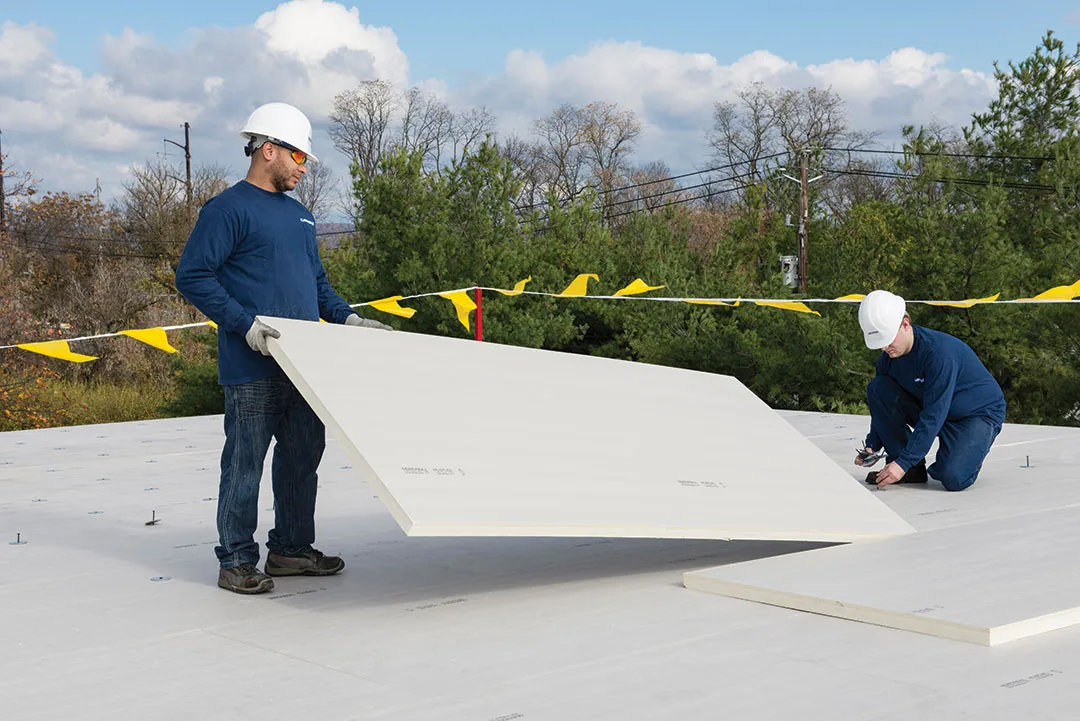
Section size follows assembly, forecast, crew access, and the time needed to remove, repair, and secure the roof. We set a daily limit so opened material can be restored before work stops. The plan identifies temporary dry-in, interior protection, and what happens if a concealed condition expands the removal boundary. The owner approves added work before it moves beyond the agreed area. A replacement scope can show the larger tear-off sequence and its approval points when the roof needs full renewal.
A building with multiple additions may require separate phases because the roof heights, drainage routes, or membrane types differ. We label each section and avoid treating a completed area as a pass-through for later trades. A recover option needs the same preparation of test locations, edge heights, and daily closure. If the assembly or moisture changes between sections, each phase gets its own condition record and work limit.
Commercial Roofing Services
How Will Interiors and Operations Be Protected?
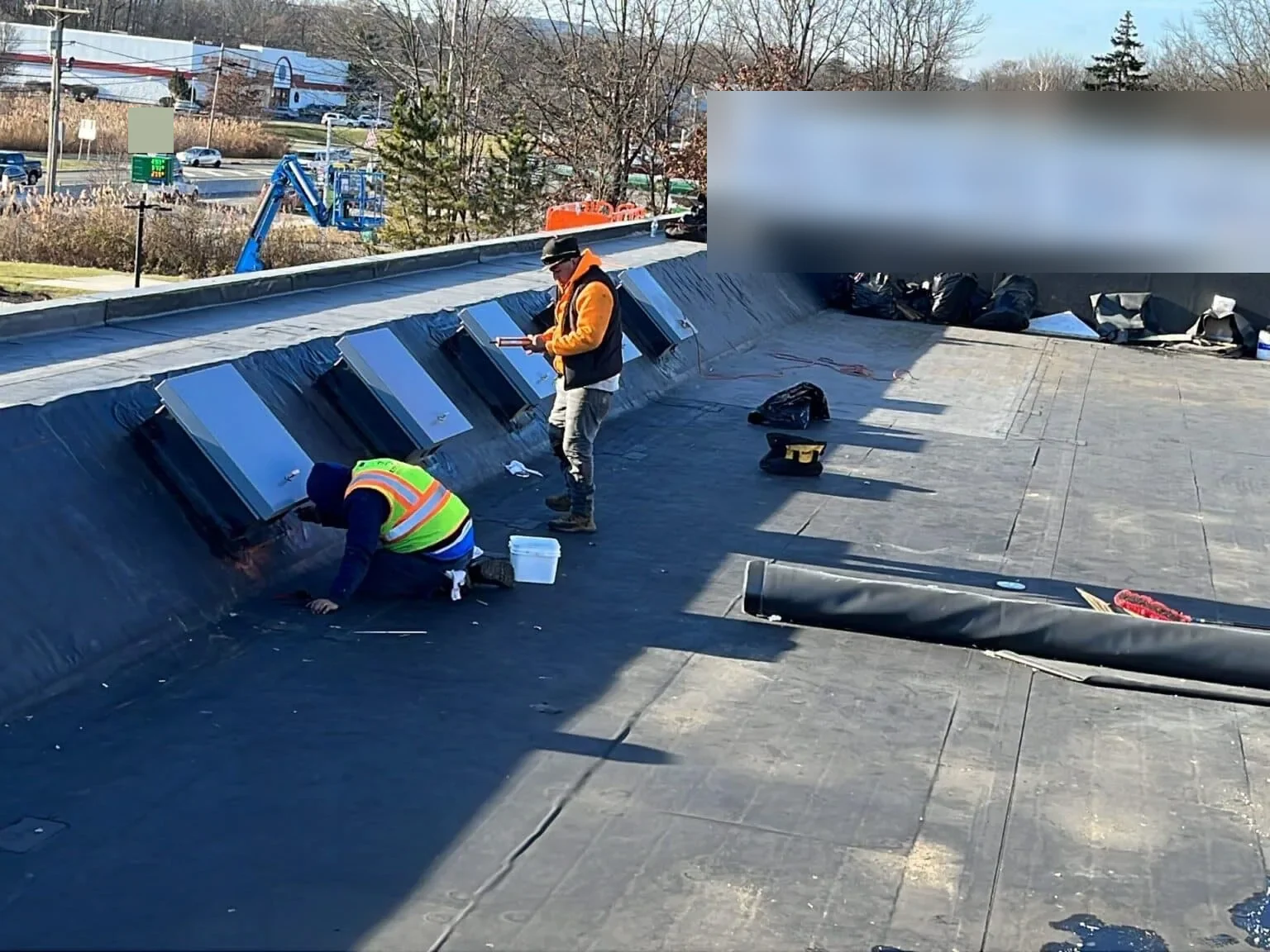
Work over occupied rooms needs a path for dust, fasteners, noise, vibration, and any water entry to be managed. We coordinate ceiling access and protection with the building contact before cutting or removing material. Equipment shutdowns require the responsible mechanical or electrical trade. If a system must remain running, its curb and service route are protected in the sequence. An equipment curb coordination plan keeps the roofing detail and unit work aligned.
Construction handoffs matter when several trades use the same roof zone. The schedule names who installs curbs, routes conduit, removes equipment, restores flashing, and completes testing. We do not close a penetration before the assigned trade finishes the work that passes through it. A solar coordination review can identify support or pathway work that must be sequenced before a new membrane section is sealed. The general contractor tracks each hold point and confirms who can release it.
Before the crew arrives, the site contact identifies the first occupied entrance, the nearest loading lane, and the route that can remain open. We include those instructions in the field sequence and confirm them with the general contractor at each phase handoff.

Commercial Roofing Services
What Happens When Weather Changes?
Indianapolis normals show annual precipitation of 43.63 inches and snowfall of 25.5 inches. Rain can shorten a work period, while snowmelt and refreezing can make roof access or a drain transition unsafe. The plan identifies the forecast check, dry-in material, and person who decides whether another section can open. If a weather shift arrives, the crew secures the current boundary before moving to another area.
Summer storms also matter. Hamilton County is included in the National Weather Service's central Indiana tornado climatology, and a 2024 EF2 tornado crossed Hamilton County into Madison County. That record informs contingency planning, but it does not identify damage at a specific building. After a reported event, a wind-damage inspection documents actual attachment, edge, and membrane conditions before the work sequence changes.
How Does the Contractor Hold the Sequence?
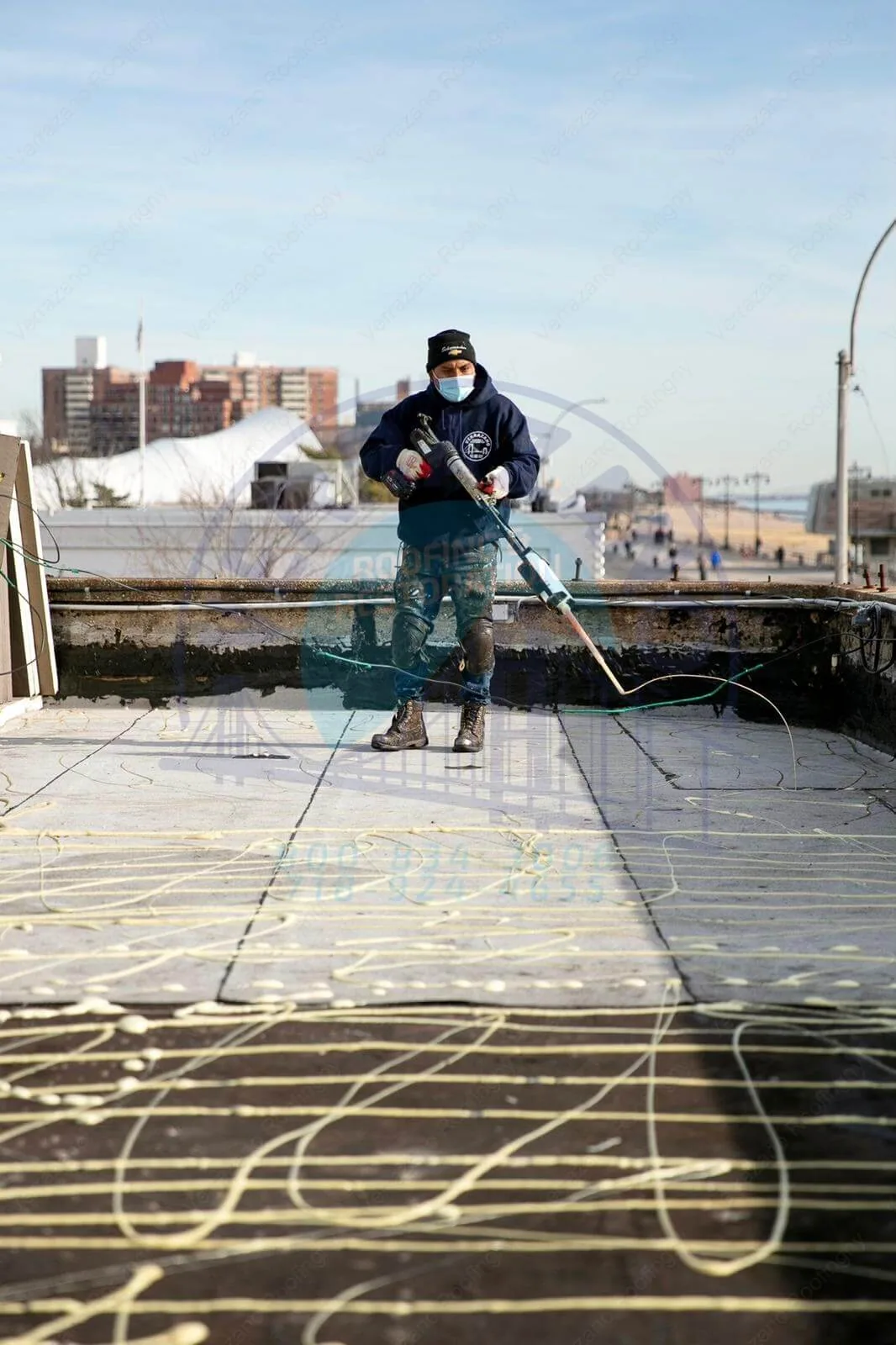
The daily plan should show the section opened, installed layer, test or inspection complete, weather-tight stop, and next trade release. We coordinate that status with the general contractor and facility contact. A handoff is not complete until the roofing detail is restored and the area below can return to its approved use. If testing shows wet insulation or deck damage, the project team reviews the evidence and schedule before extending the work zone.
Access and staging can differ between sites. Fishers' commercial core follows I-69 and State Road 37, while the 96th Street and Allisonville Road area includes a roundabout next to River Place and White River Park. We confirm the approved delivery path and lift location with each site rather than treating a corridor as a property access plan. An Allisonville Road corridor roof project receives its own logistics and entry plan.
Weather, interior protection, equipment, removal volume, and trade coordination affect cost and duration. The proposal separates base work from concealed-condition allowances and identifies the approval needed before quantities change. A capital schedule review can place remaining sections in later budget windows, and a condition record can tie completion dates to photographs and roof-zone labels.
Talk to Our Roofing Team
Call 555-555-5555 or request a roof assessment. Tell us the address, the roof type if you know it and where water or damage is showing. We work across Fishers, Carmel, Noblesville, Westfield, Zionsville and the surrounding communities.
Commercial Roofing Services
What Is the End-of-Shift Standard?
Each open section needs a weather-tight boundary, clear pedestrian and equipment routes, and a record of any temporary protection. We check drains for debris, secure materials, remove loose fasteners, and identify whether another trade has left a penetration open. The site contact receives the status and the next planned access window. If an emergency cover remains, it is recorded separately from completed permanent work.
At final closeout, the owner or general contractor receives the completed section map, installed assembly, photos, inspection and test results, approved changes, and follow-up items. The record states which area can return to normal access and which needs later service. For a multi-building program, portfolio tracking can compare the schedule and condition trend while preserving each building's actual roof facts.
Send the roof plan, construction milestones, occupied hours, site contact, equipment dependencies, and any areas that cannot be interrupted. We will define the section sequence, access window, and weather-tight handoff for the project team. If a leak is active before planned reroofing begins, emergency stabilization can reduce exposure while the permanent phase is scheduled.
Frequently Asked Questions
Can Fishers reroofing keep staff, tenants, and deliveries moving?
Often. We phase work around entrances, occupied rooms, deliveries, equipment, and a secure daily closure. The building contact confirms restrictions and the general contractor coordinates the work zones with other trades.
What sets the roof area opened during each Fishers reroofing shift?
The section size follows access, assembly, crew sequence, and the time needed to restore a weather-tight surface. We set a limit before removal and adjust only after the owner reviews any concealed-condition change.
Who coordinates mechanical equipment during a reroof?
The general contractor names the trade responsible for shutdown, lift, reconnection, and testing. We coordinate the roof opening and curb flashing with that work. Equipment stays under its responsible operator's control.
What happens if rain arrives before a phase is complete?
The crew closes the current section using the planned dry-in method and secures the work zone. We document any temporary condition and hold the next phase until the roof can be opened safely.
What should the final handoff include?
Keep the roof-zone map, installed materials, photos, tests, approved changes, daily closures, and remaining access or follow-up needs. We identify which sections are complete and which require another trade or maintenance visit.
Fishers, IN
Set the Occupied Work Sequence
Share the roof plan, occupied hours, construction milestones, equipment dependencies, access rules, and site contact. We will return section limits and weather-tight handoffs for the project team.