Roof Systems
Spray Polyurethane Foam Roofing
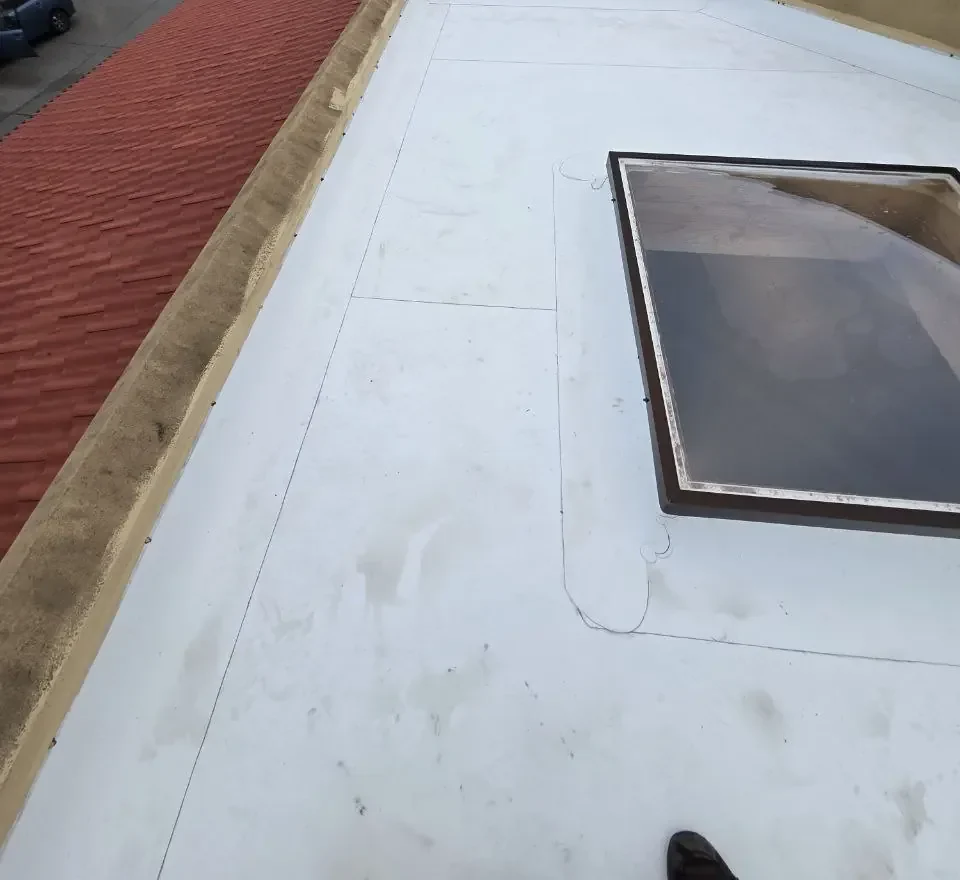
A worn protective coating can expose spray foam to sunlight and water before the roof looks obviously damaged. We inspect coating continuity, foam condition, drains, penetrations, and prior repairs before proposing restoration. Indianapolis normals show a 85.2-degree July high, 4.95 inches of June precipitation, and recurring winter freeze-thaw. We review foam and topcoat as one assembly and plan application around actual surface and forecast conditions. The field record identifies tested areas and what remains beneath the surface. That helps the owner decide whether a new coating can preserve serviceable foam or whether damaged sections need removal.
What is still bonded?
Spray polyurethane foam forms a continuous insulation layer, then receives a protective coating or surfacing. We inspect for erosion, exposed foam, blisters, cracks, ponding, and separation at curbs or walls. At a suspected wet area, we use readings or a controlled opening to confirm the condition at that location. We also review coating thickness and adhesion where testing is appropriate. A scan or visual survey can direct the next step, but the repair boundary follows the material actually confirmed on the roof.
Foam thickness and slope are not interchangeable quantities. We note the contours needed to reach the drain, and we check whether the coating has bridged a low area or left a thin spot at a high point. When a test opening is approved, its depth and restoration are documented. If the roof includes separate additions, we map the seam between them and avoid carrying one section’s results across the full building.
At properties where production equipment sets the access window, we coordinate roof openings with the facility contact. A Life Sciences Park area visit can map foam condition, access, and rooftop details by section. A roof inspection records the tested areas and visible limits.
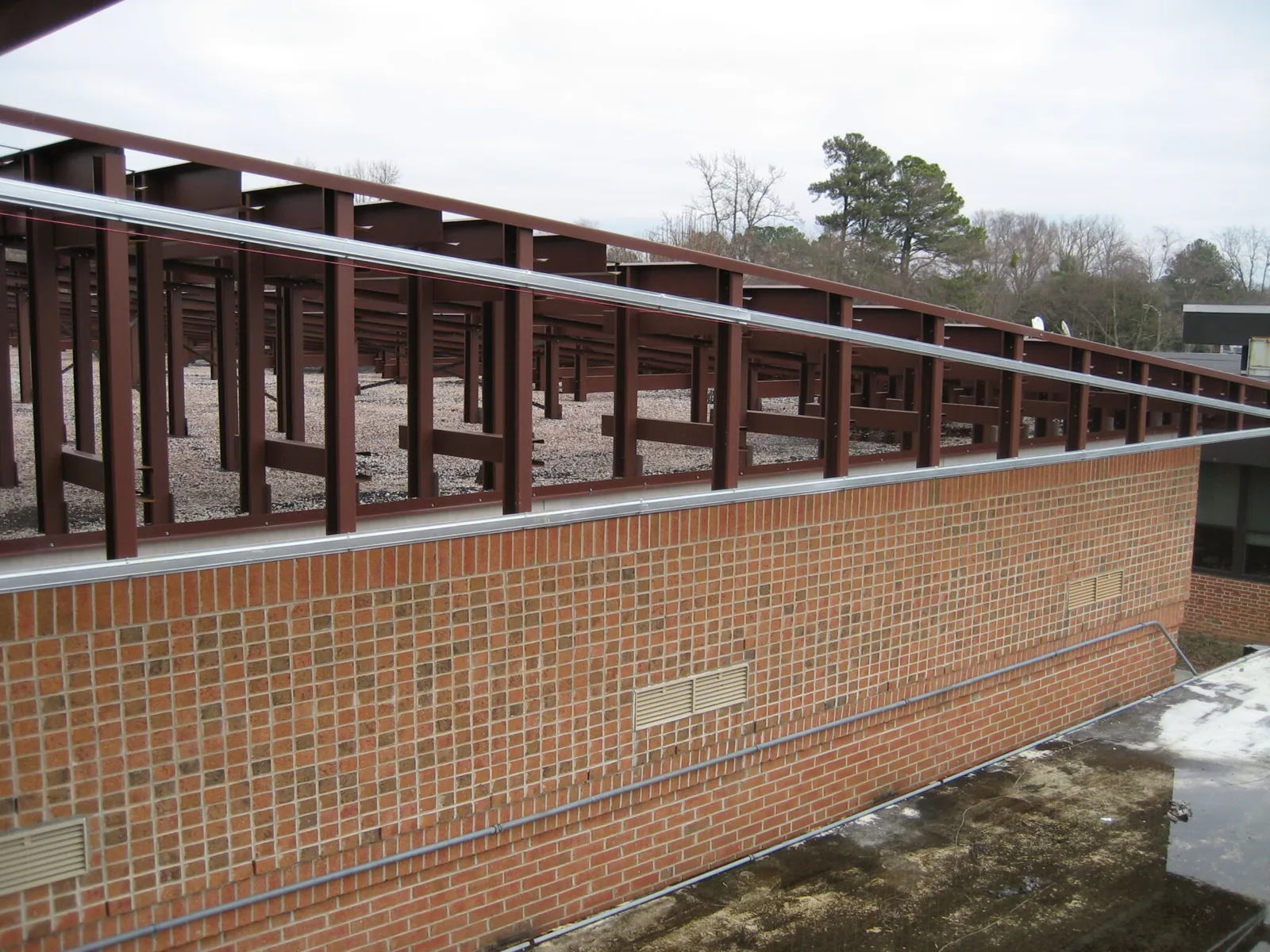
At an edge or penetration, we check the foam profile and topcoat together. A thin ridge can wear first where water and service traffic meet, while a separated edge may let moisture track beneath the surface. We photograph the detail from a repeatable position and mark its zone, so later inspections can compare the same condition instead of relying on a general roof-wide description.
What does coating wear expose?
Coating can erode at high points, drains, seams, and around service paths where traffic is concentrated. A small breach can allow water to reach the foam, while a broad area of exposed material may need a different restoration scope. We inspect transitions and check whether water has moved below the surface. If foam is wet, soft, or separated from the substrate, coating over it will not resolve the condition. We mark removal limits and identify whether adjoining foam remains attached.
Warm periods and summer rain in the Indianapolis area can compress the time available for foam repair and protective coating. We check the actual roof temperature, substrate moisture, and forecast before setting the application window. A drainage review documents outlet and overflow condition before a new protective coat is applied.
Roof Systems
Can water remain in a low area?
Foam roofs can be shaped to direct water, but settlement, repairs, or a blocked outlet may change the drainage route. We map low points, drains, scuppers, and overflow paths and note where water remains after outlets are clear. A coating may follow existing contours rather than correct them. If ponding returns, a slope or design review may be needed before restoration. The owner receives a scope that separates coating work from tapered foam, drain relocation, or structural questions.
The site contact confirms parcel access and roof entry before we map low points and drainage routes. A coating assessment can document preparation, repairs, and coverage area. A leak investigation traces an interior report before the surface is restored.
Roof Systems
Repair foam before recoating
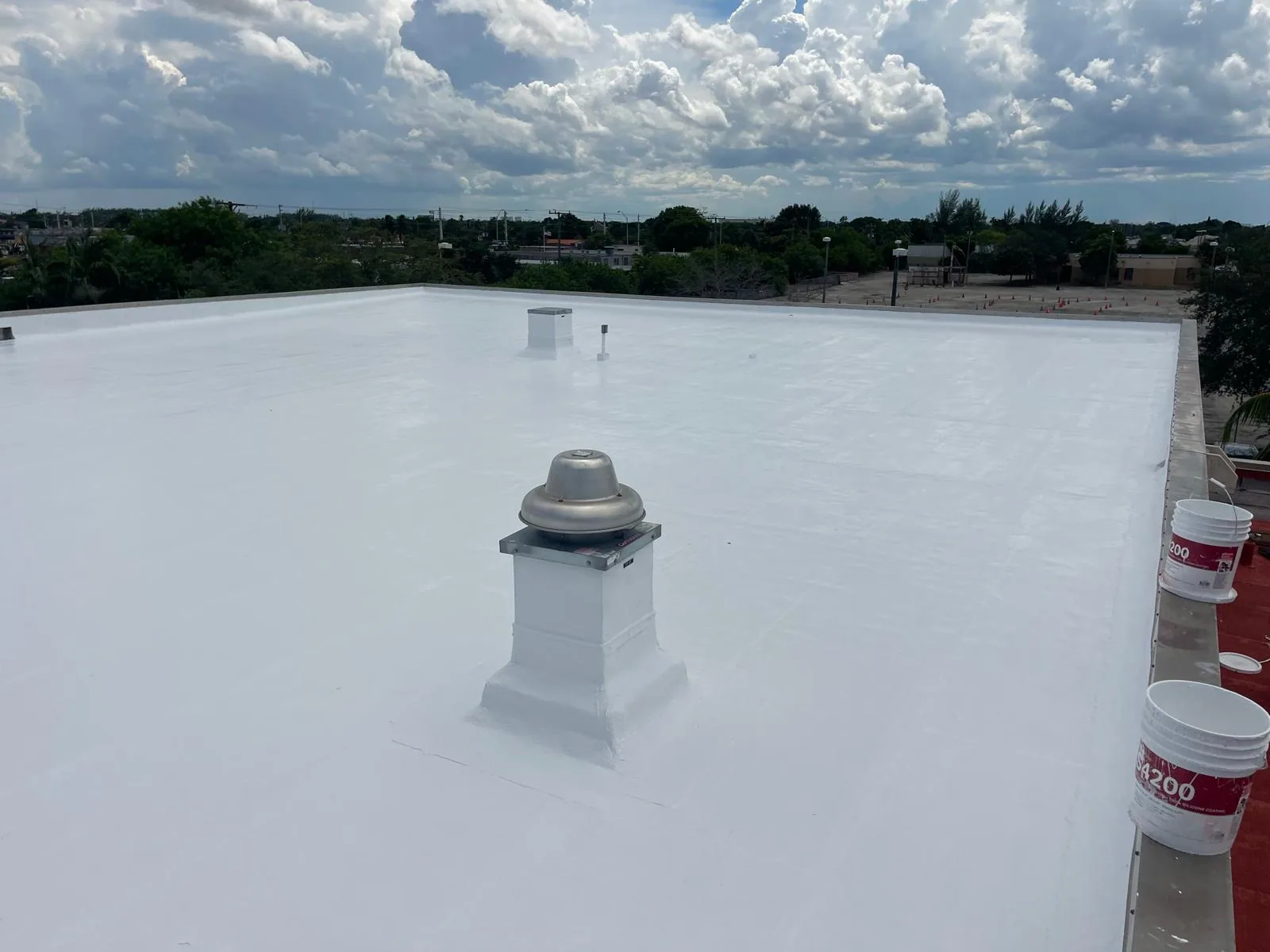
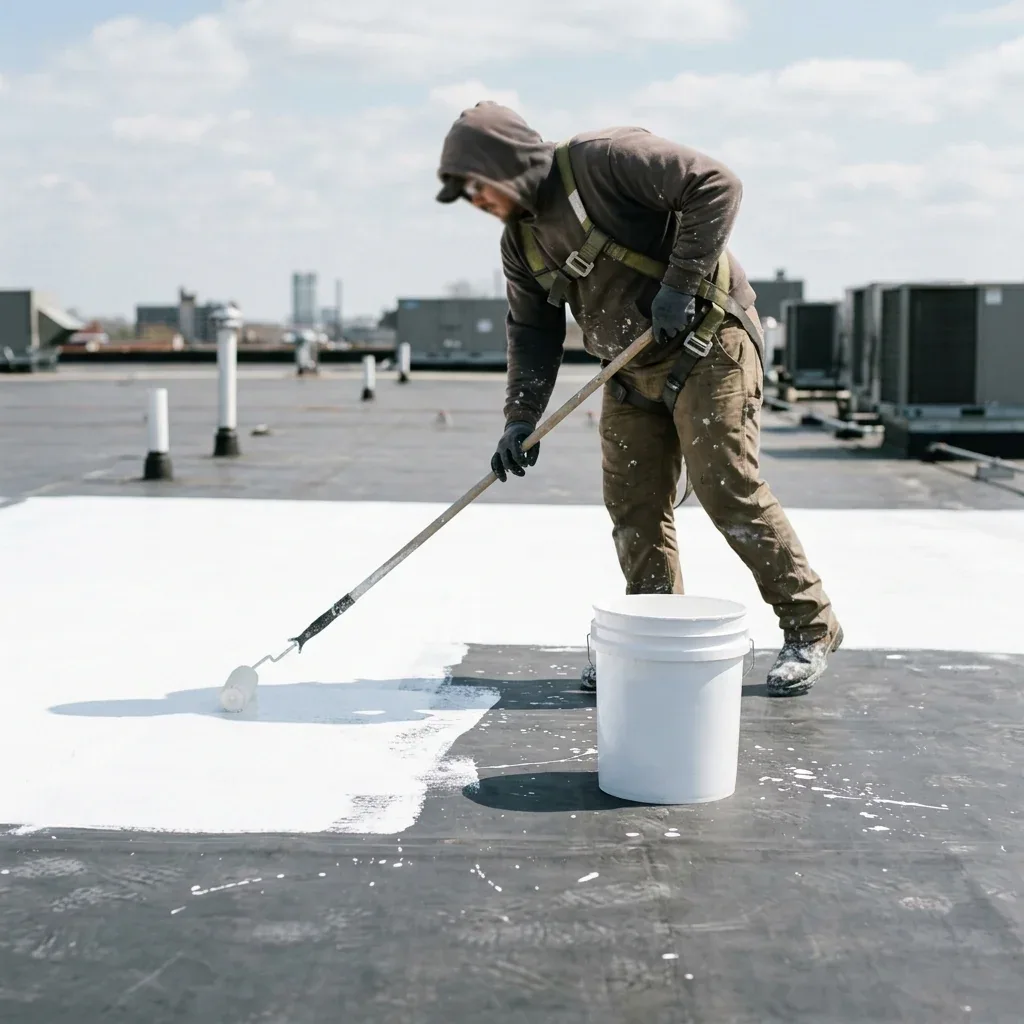
We remove unsound coating and foam to a stable boundary, prepare the substrate, and replace foam where the assembly requires it. The new surface is shaped and blended to avoid a sharp ridge that traps water. We repair penetrations, curbs, and transitions before applying the protective coating. The scope names the coating family, preparation, coverage, reinforcement details, and the area excluded from restoration. If testing shows that deterioration extends beyond the original quantity, the owner approves the new boundary before additional foam is removed.
Projects near I-69 can involve active delivery routes and multiple contractors. We confirm staging, roof access, lift placement, and the owner who can approve a changed work area. The daily plan identifies the amount of foam that can be removed, how the exposed substrate will be protected, and when the coating may be applied. If conditions change, we stop at the approved boundary and leave a secure closure until the next suitable window.
System choice depends on the existing material and required performance. A silicone coating review and an acrylic coating assessment compare product compatibility and water exposure. We do not treat them as interchangeable. Indianapolis summer heat and June precipitation make preparation and cure planning important; the roof geometry, drainage, and surface test determine whether the chosen material can bond.
When does restoration stop making sense?
Restoration can fit when the foam remains attached and dry across the areas under review. Broad wet foam, substrate failure, repeated coating separation, or drainage problems that cannot be corrected within the coating scope may push the decision toward removal or replacement. We compare test results, remaining foam condition, access, and repair history. The estimate shows maintenance needs after restoration and any conditions that would trigger another review.
A condition record can preserve test locations and coating condition by roof section. A capital review can compare restoration with broader work in the next budget year. For a facility near the Crosspoint Business Park, site access and tenant activity come from the property contact. We return a scope decision tied to the tested foam and surface, not a blanket coating recommendation.
Talk to Our Roofing Team
Call 555-555-5555 or request a roof assessment. Tell us the address, the roof type if you know it and where water or damage is showing. We work across Fishers, Carmel, Noblesville, Westfield, Zionsville and the surrounding communities.
Roof Systems
Protect the restored surface
Closeout records the coating product, surface preparation, repairs, test locations, coverage area, photos, and any location left outside the restoration. The owner receives the maintenance requirements and a follow-up interval based on observed condition. Later visits check exposed edges, high points, drains, penetrations, and areas affected by service traffic. If another trade adds equipment or a curb, its roof tie-in belongs on the updated map.
At follow-up, we compare coating wear and foam condition with the original photographs. The owner can see whether the repaired section remains protected and whether another trade has changed a penetration or service path.
Share roof plans, prior coatings, leak history, access requirements, and the capital window. We will inspect the foam assembly, identify any testing needed, and define a restoration or replacement next step. The record will show the boundary the proposal can support.

Frequently Asked Questions
Can you coat exposed spray foam without testing it?
We inspect adhesion, moisture, foam condition, and prior coating first. Testing is needed when concealed wet or separated foam could change the repair boundary.
Does a new coating repair wet foam?
No. Wet or unsound foam must be addressed before a protective finish is applied. We confirm the removal area and restore the surface before coating.
How does Fishers weather affect SPF restoration?
Warm temperatures, rain, humidity, snow, and thaw can affect preparation and application. We check the actual forecast and substrate against the selected product requirements.
Can coating correct ponding on an SPF roof?
Not by itself. We map the low areas, outlets, and overflow path. The scope may need drainage or slope correction before restoration.
What goes into an SPF roof closeout?
Record foam repairs, coating product, preparation, test locations, coverage, photos, exclusions, and maintenance steps. We identify when the next inspection should revisit high points and drains.
Fishers, IN
Test the foam before restoration
Share roof plans, coating records, leak history, access limits, and the budget window. We will map the foam condition and define the restoration boundary.