Commercial Roofing Services
Preventive Roof Maintenance
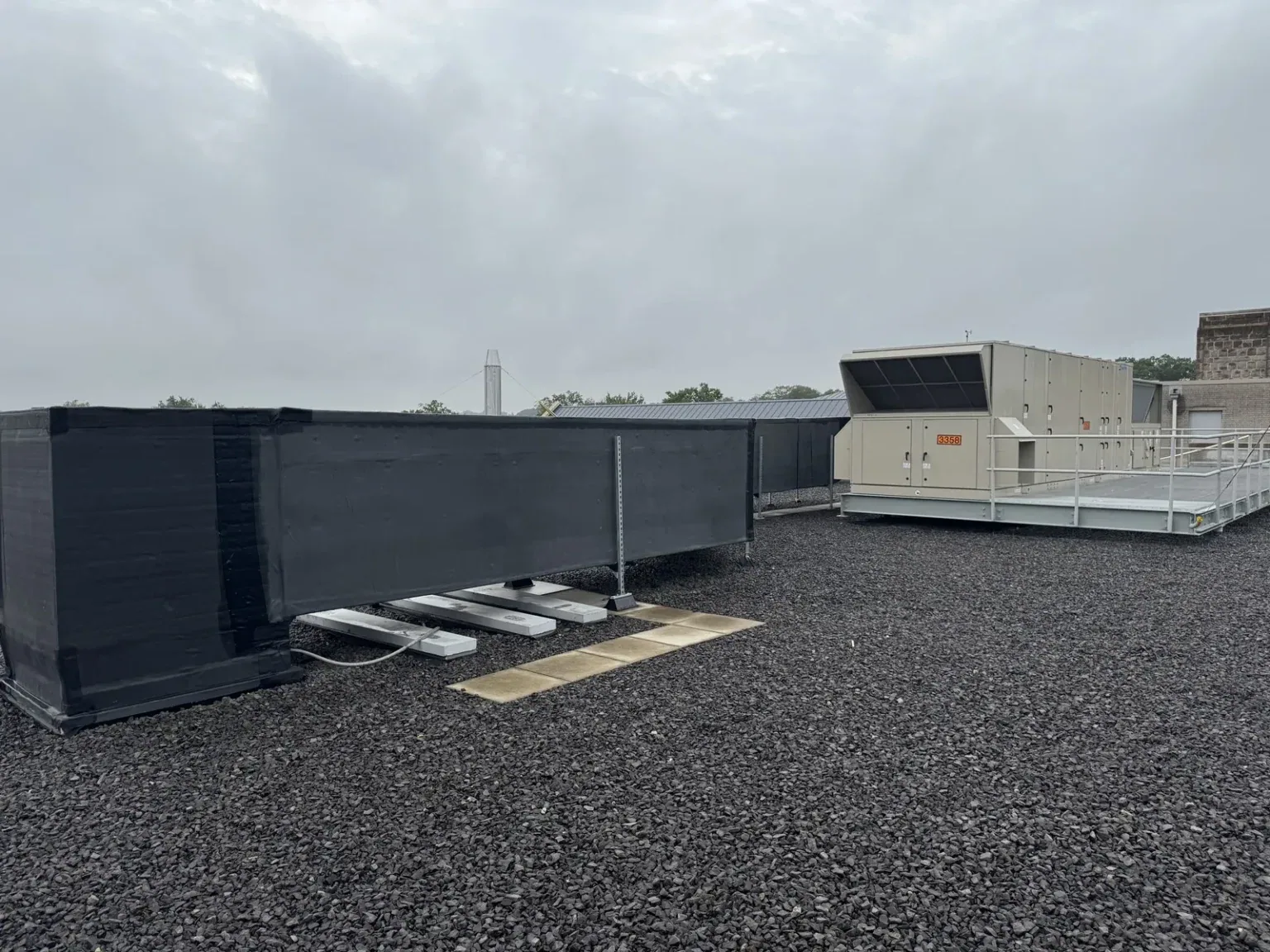
A drain bowl collecting debris can turn a routine roof visit into a leak call after the next heavy rain. In Fishers, IN, maintenance should check the water path, seams, edges, and roof openings before those details interrupt building operations. We set a route by roof section, record what is accessible, and separate a small repair from a condition that needs testing. The owner receives work priorities, photographs, and a return window when a covered area cannot be assessed safely. That gives the general contractor and facility team a usable sequence instead of a list of observations with no next step.
Which small condition can spread?
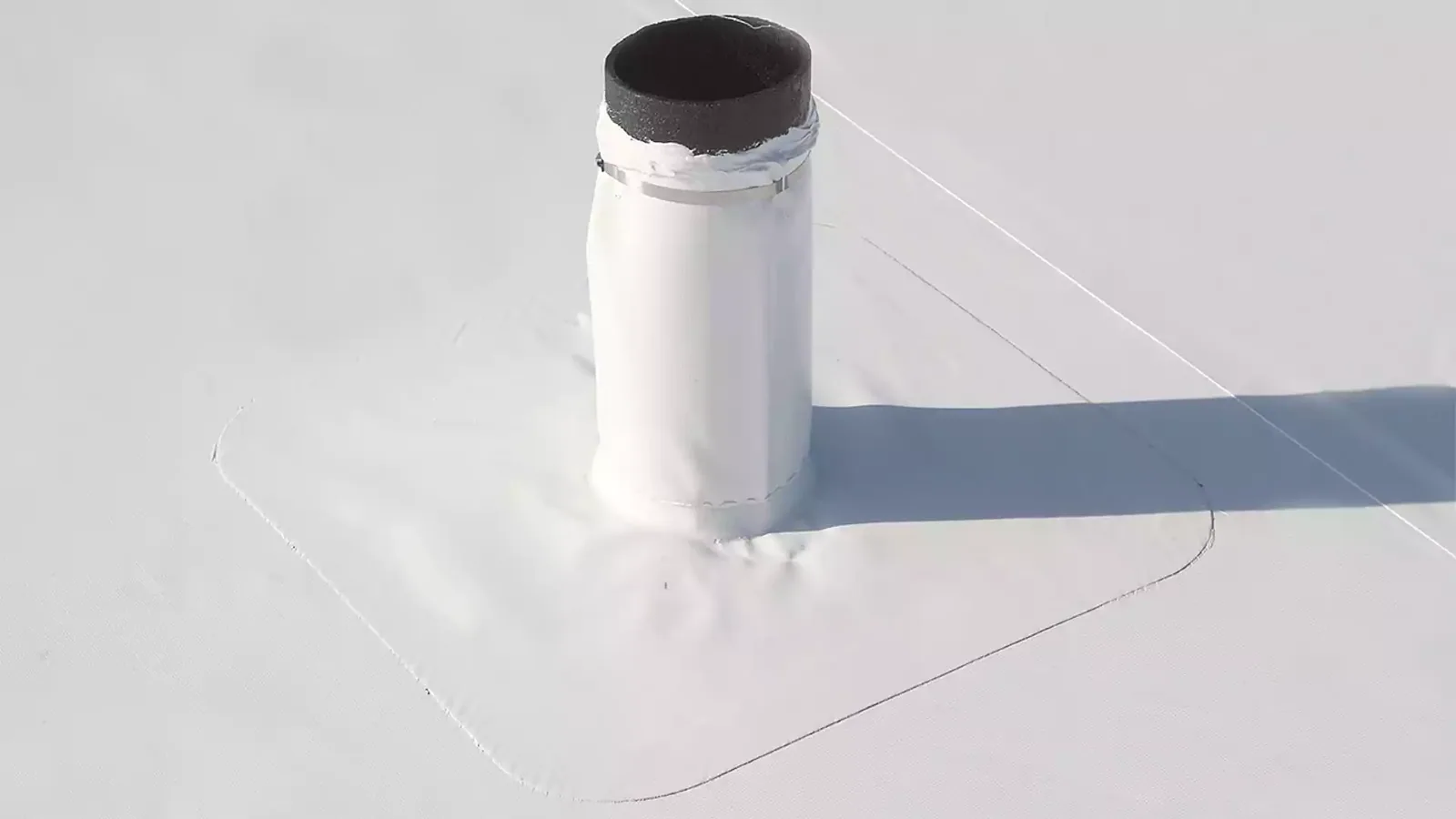
Leaves and packaging can block an outlet. A loose termination can admit water at the edge. Sealant can split where a pipe, curb, or wall interrupts the membrane. We check each item against the nearby roof assembly because the visible defect alone does not set the repair limit. If a fastener has backed out, we inspect the surrounding sheet and attachment instead of tightening one point and leaving a wider movement pattern unaddressed.
Fishers sits in a region with recurring precipitation and winter snowfall. Indianapolis climate normals record 43.63 inches of annual precipitation and 25.5 inches of snow, so drainage and cold-season access deserve planned checks. Near Nickel Plate District properties, mixed-use schedules can add delivery and access limits to the work window. We confirm those constraints at the property, then map the drains, transitions, and edges that need service.
A maintenance visit can include clearing reachable outlets, checking overflow paths, looking for open laps, reviewing metal transitions, and documenting penetrations or patches. We do not treat cleaning as a repair when a detail has separated or the substrate has softened. The drain and scupper inspection distinguishes an obstructed outlet from a low area that still holds water after debris is removed. If a seam or flashing needs a compatible tie-in, the repair scope identifies its preparation and limit.
What does each visit check?
We begin with the roof plan, prior service records, equipment changes, reported leaks, and access rules. The walk follows roof sections rather than skipping between isolated photographs. At each section, we inspect seams, penetrations, curb corners, perimeter metal, drains, scuppers, and visible patches. We record conditions with a location and image so the next visit can compare the same detail. Where a surface is unsafe, covered, or blocked, the report states the limit and what access would make a closer review possible.
Maintenance is also a chance to compare present conditions with earlier work. A patch that remains bonded may need only a dated image; a patch lifting at its edge needs a repair decision. We look for changes in membrane movement, ponding, sealant, flashing height, and the condition around rooftop equipment. If a finding suggests moisture below the surface, a moisture survey can mark areas for testing, while a controlled opening confirms the layers at its sample point. The hands-on roof inspection sets a broader route when the owner needs a condition assessment beyond routine service.
Fishers reported 137 commercial building permits in 2024, compared with 123 in 2023. That activity makes current equipment and roof-opening records useful during maintenance planning, though permit counts say nothing about an individual roof. We identify recently changed curbs, conduits, supports, and penetrations with the facility contact. Where another trade has completed rooftop work, we check whether the roofing tie-in is finished and who owns any remaining closure. A curb and support review can define that interface before water follows an unfinished edge.
Commercial Roofing Services
How should seasonal work be sequenced?
A maintenance calendar should follow roof risks and operating constraints, not an arbitrary date alone. Before winter exposure, we check outlets, overflow routes, loose metal, and areas where water could remain at a transition. After snow and thaw cycles, the return visit can inspect details that were covered or inaccessible. Warm-weather checks can focus on seams, surface movement, equipment work, and coating condition. We document the conditions at each visit because rainfall, snow cover, temperature, and repairs can change what a walk can show.
The building contact sets the access window, escort requirements, lift or hatch arrangements, and any room or production limits. For facilities near Fishers Life Sciences and Innovation Park, operational controls may determine which roof areas are reached first and when interior checks are allowed. The property manager approves any test opening or repair beyond routine service. For occupied sites, a phased roof-work plan coordinates staging and protection below without treating a maintenance visit as a replacement project.
When urgent water entry appears between scheduled visits, the service plan needs a defined response path. We document the affected rooms, roof section, access contact, and any temporary protection already in place. The emergency roof response can stabilize an active opening while permanent work waits for safe access or suitable installation conditions. A planned visit should not delay that response; its value is keeping the next inspection and follow-up check clear after the urgent condition is controlled.
Commercial Roofing Services
What belongs in the maintenance scope?
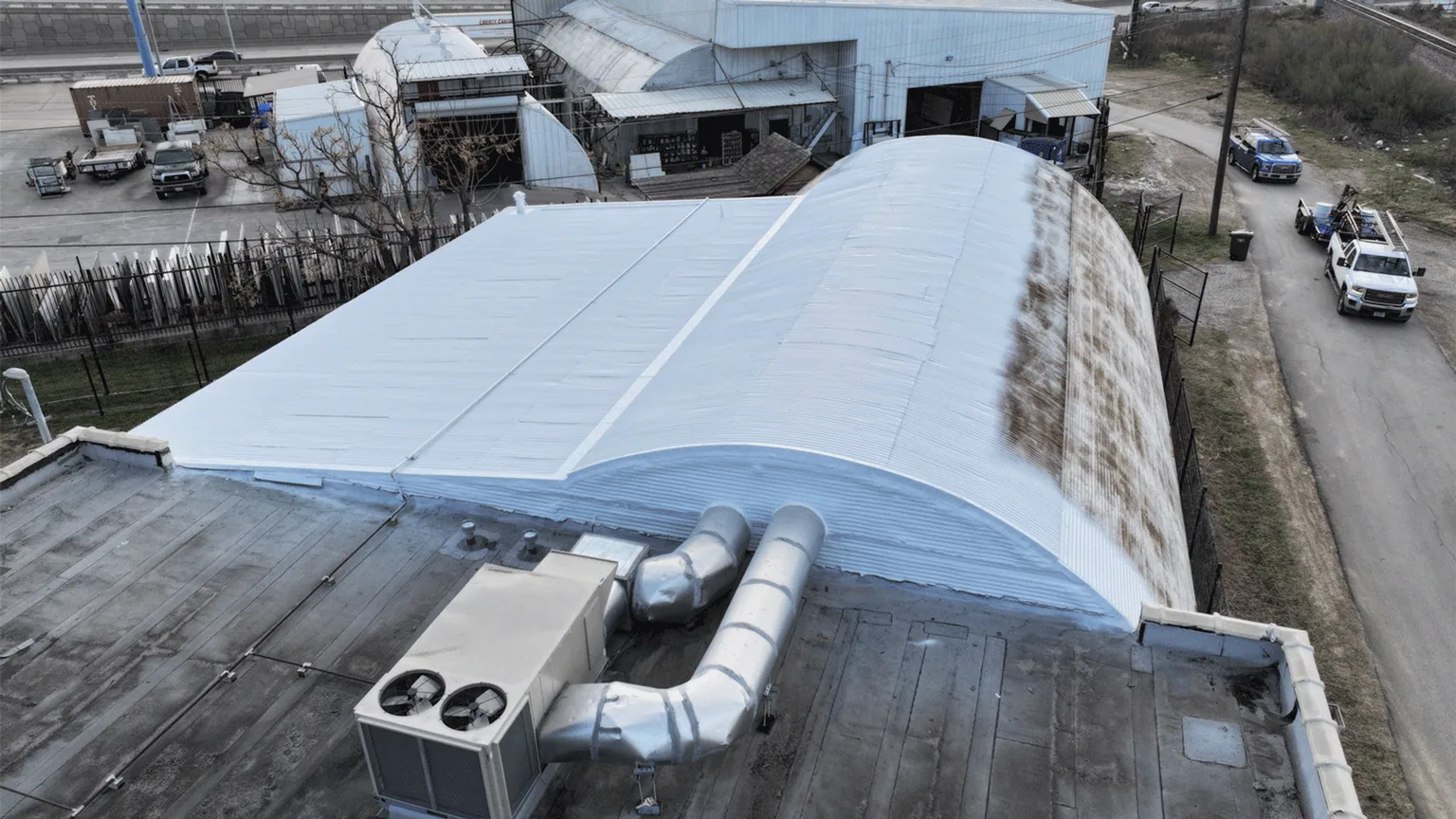
The written scope should say which roof sections are included, how often they are visited, what the crew may clear or adjust, and what requires separate approval. It should identify the report format, photographs, access assumptions, and the person who receives urgent findings. We separate routine cleaning from repairs, material replacement, moisture testing, and work assigned to mechanical or electrical trades. If a blocked drain requires equipment removal, that handoff stays visible instead of being included as an undefined roofing task.
Cost and timing move with roof access, equipment density, travel across a large roof plan, debris volume, test openings, and the number of repair details. A roof with several additions may have different membranes, elevations, and drainage paths. We list the observed assembly for each section and identify what needs a closer test before setting repair quantities. A roof condition report can keep maintenance images, open items, and completed work together for capital planning. If the roof has a sound assembly but its surface needs restoration, a coating evaluation begins with adhesion, moisture, drainage, and system compatibility.
What should the visit leave behind?
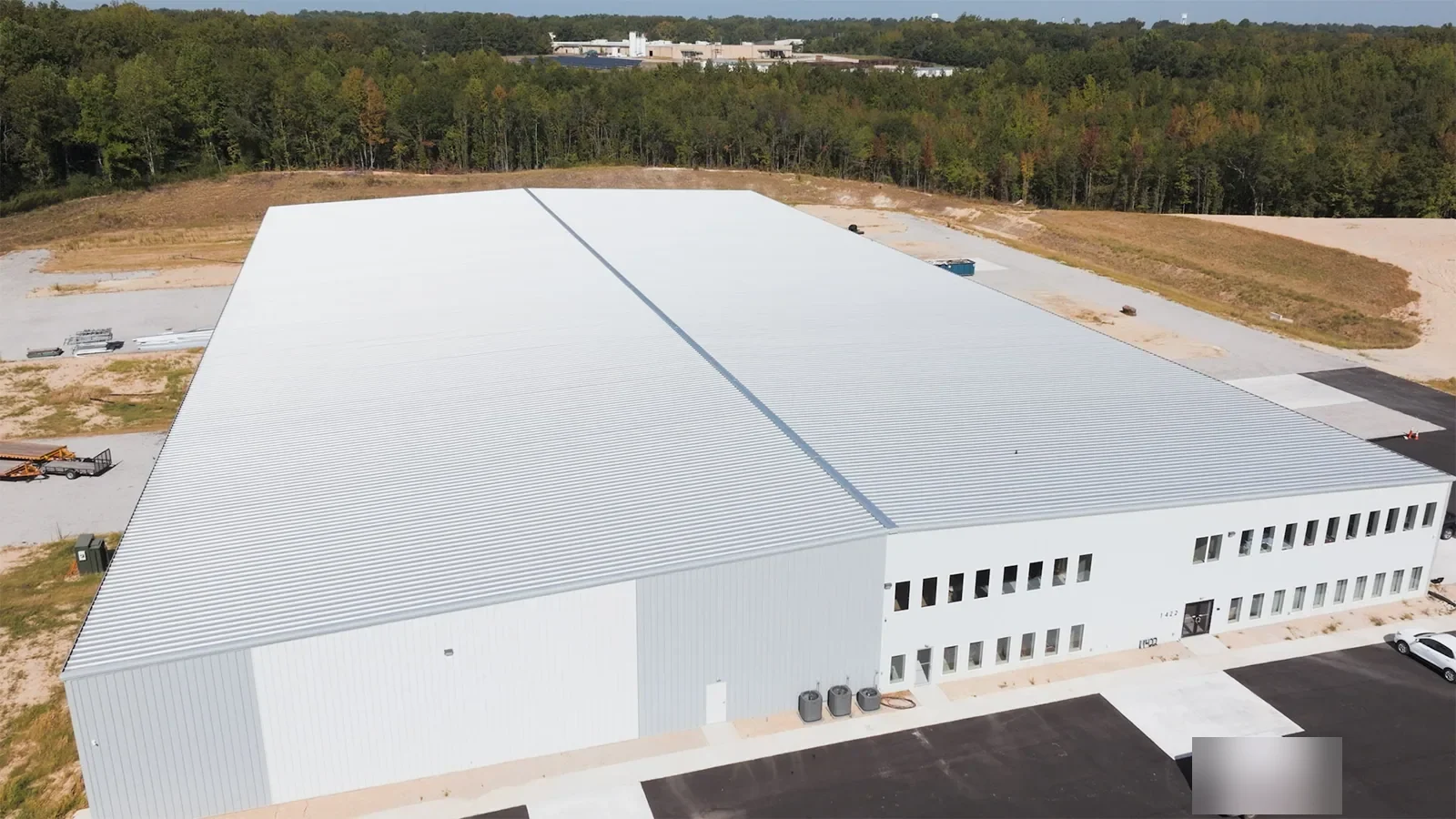
After the walk, the owner receives a roof map or section labels, dated photographs, conditions found, work completed, and items that need approval or a return visit. Each repair recommendation identifies its location, material compatibility, preparation, and open condition. If the maintenance plan covers multiple buildings, each roof keeps its own record and service history. A finding near one building does not establish the condition of another, even when both share a property manager or campus.
Closeout also confirms which drains were cleared, what runoff path remained, and whether weather or access kept a section from being reviewed. We identify any temporary protection separately from permanent work and state when it should be checked again. For an owner near the Allisonville Road commercial corridor, travel routes can help orient scheduling, but the site contact still confirms current entry, deliveries, and staging. Send the roof plan, last service record, leak history, and equipment schedule to set a maintenance route that matches the building.
Talk to Our Roofing Team
Call 555-555-5555 or request a roof assessment. Tell us the address, the roof type if you know it and where water or damage is showing. We work across Fishers, Carmel, Noblesville, Westfield, Zionsville and the surrounding communities.
Frequently Asked Questions
What gets checked during a maintenance visit?
We inspect accessible seams, drains, scuppers, penetrations, edges, patches, and equipment transitions. The report separates completed cleaning from repairs, testing, and areas that need another access window.
Can maintenance include minor repairs?
Yes, when the work is within the approved scope and the repair method fits the installed system. We identify any added material, testing, or removal before expanding the work.
How do you handle areas covered by snow or equipment?
Those sections stay listed as inaccessible until conditions permit a safe review. We identify the next visit or access change needed, rather than treating an unseen area as clear.
What should we send before setting up a program?
Start with the roof plan, recent repair records, leak locations, equipment changes, and access restrictions. We use them to route the first visit and identify any separate testing request.
Does a maintenance plan include replacement work?
No. Routine service, repairs, testing, restoration, and replacement remain separate scopes. If inspections point toward broader work, we provide the condition evidence and options for a separate decision.
Related Roofing Work
Fishers, IN
Set a roof maintenance route
Share the roof plan, prior service records, leak history, and access windows. We will map the first visit, identify urgent details, and separate routine work from repairs or testing.