Commercial Roofing Services
Commercial Rooftop Equipment Curbs and Supports
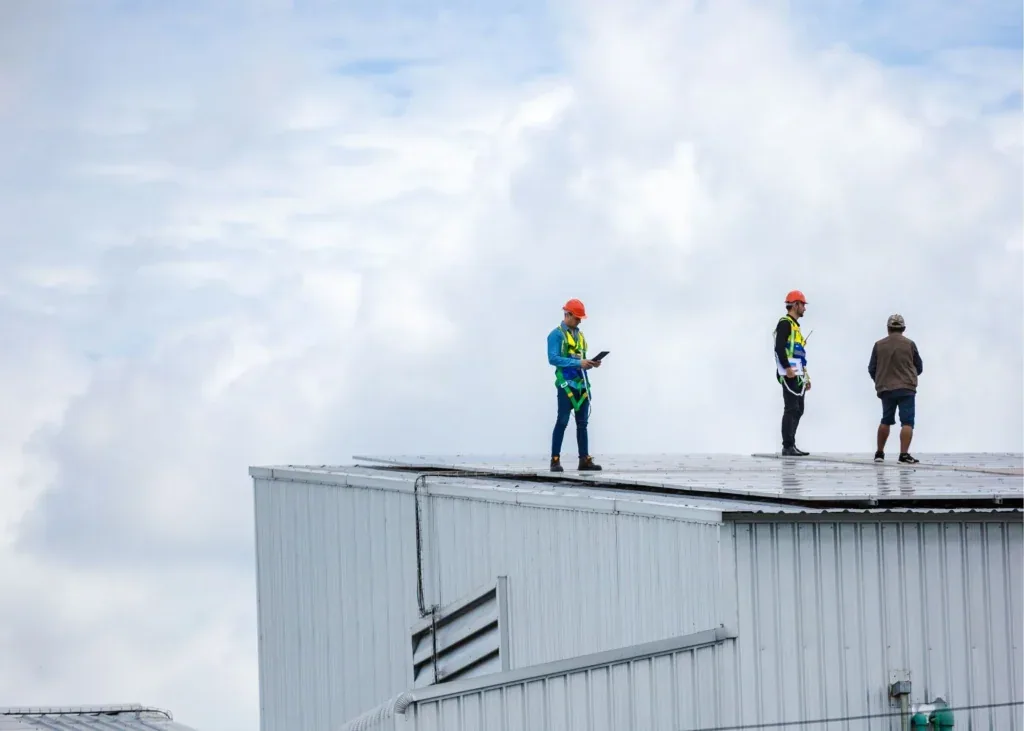
A curb that shifts or loses its flashing can open a water path beneath equipment before a ceiling leak appears. We inspect the curb, membrane, fasteners, and service clearance as one roof detail. In Fishers, winter snow and freeze-thaw cycles put drains, penetrations, and exposed edges through repeated wetting and refreezing. The repair boundary starts at the verified assembly and includes any mechanical handoff needed to restore the roof without leaving the unit unsupported or inaccessible.
What Has Shifted at the Curb?
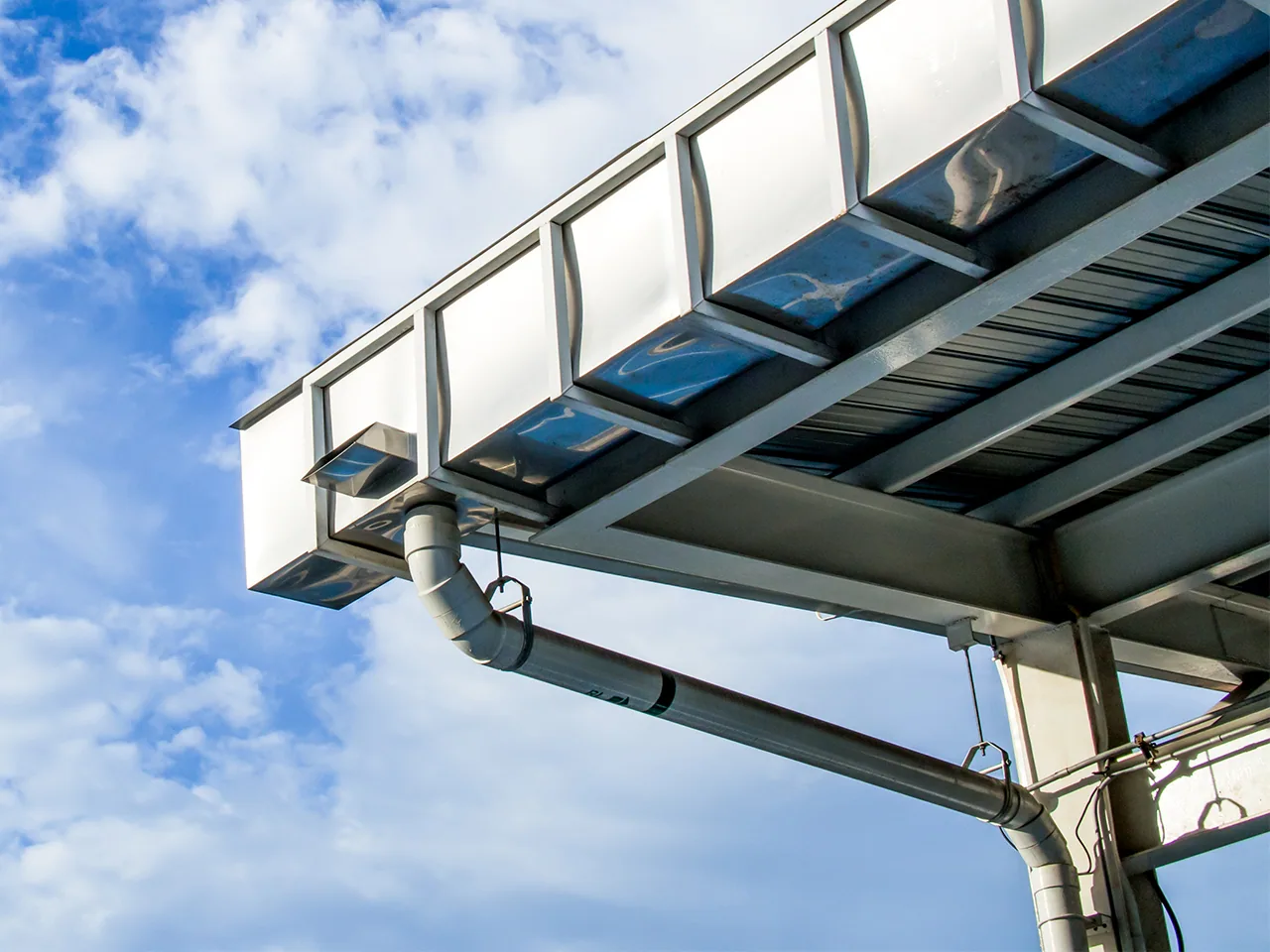
We check the curb corners, counterflashing, membrane termination, fasteners, sealant, and nearby seams. Movement may follow vibration, service access, or a curb that no longer sits square to its base. We compare the flashing with the installed membrane and inspect the substrate where the detail can be reached. Photos show the complete curb and adjoining roof section, not only the visible opening. A roof inspection can document whether the condition is limited to one equipment penetration or appears at several similar details.
Pipe supports, conduit posts, and small equipment stands can fail at a different point than a large HVAC curb. We look at the boot or base flashing, fastener pattern, surface movement, and the way water drains around the support. A support that rocks or carries a loose pipe needs coordination with the trade that owns the equipment. We mark that interface and keep the roofing repair separate from structural or mechanical work until the responsible party approves its part of the scope.
How Does the Roof Assembly Affect the Repair?
A welded thermoplastic membrane, adhered EPDM, modified bitumen, and metal roof each need a compatible curb transition. We identify the roof material before choosing a patch, flashing, or termination method. If a coating or prior repair hides the original surface, a test area can show what will accept the new detail. A TPO roof curb detail needs a verified weld, while an EPDM transition uses a different seam and flashing approach.
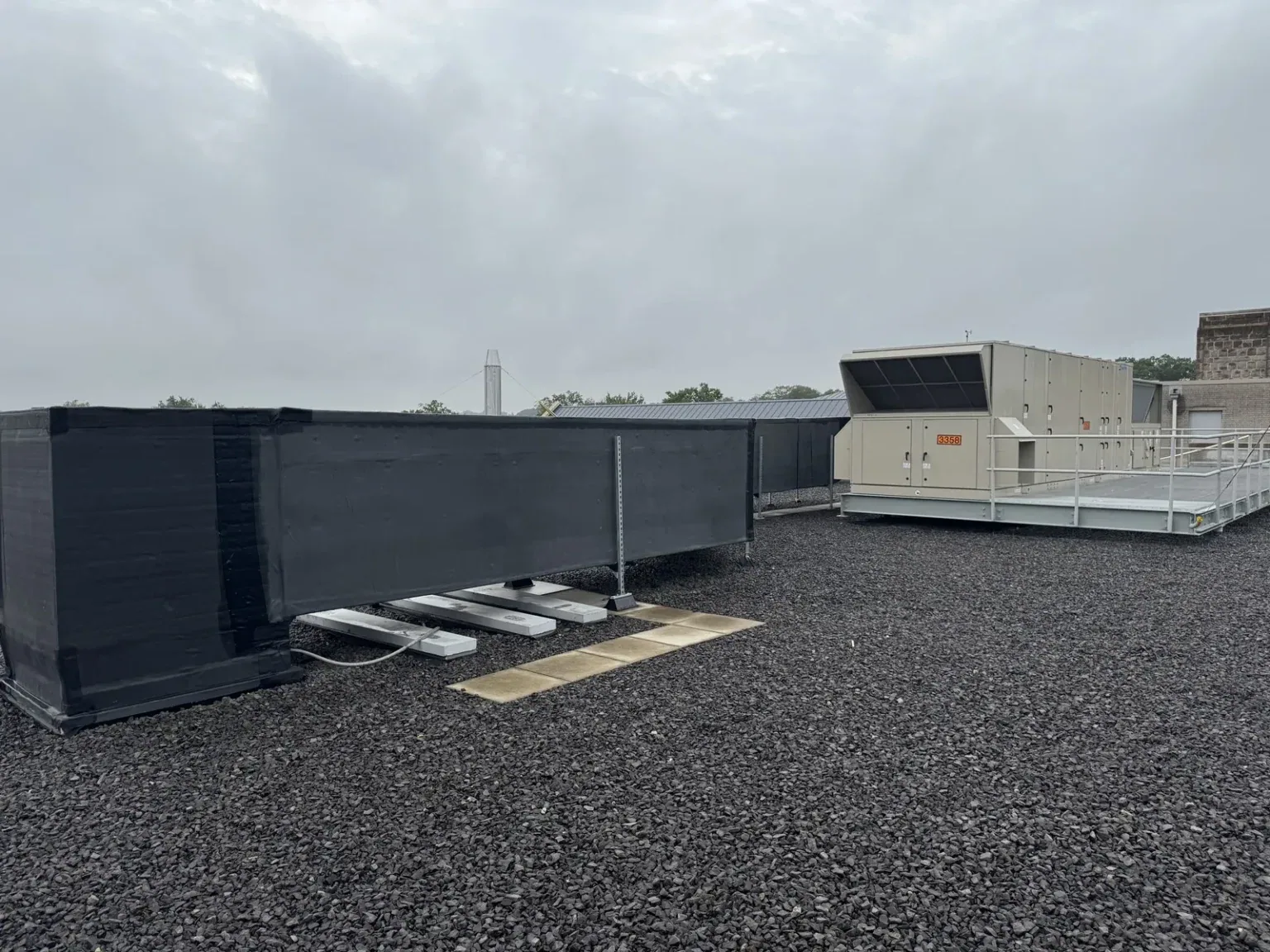
At a larger curb, the metal base, insulation height, membrane termination, and counterflashing need to work together. We check whether water can collect behind the unit, whether the service panel remains reachable, and whether adjacent piping blocks the repair path. If equipment needs lifting or temporary disconnection, the sequence names who authorizes that work and when the roof opening will be restored. The roofing crew closes the membrane around the final equipment position, rather than sealing a curb that another trade still expects to move.
Commercial Roofing Services
Can the Equipment Stay in Service?
The facilities contact identifies units that must remain online, equipment that can be shut down, and any access window for a lift or mechanical vendor. We plan the roof opening around the approved service schedule and the amount of work that can be secured before shift end. If a unit serves a sensitive area, the operating team sets shutdown and restart authority. The roofing scope records the curb work and the mechanical scope records disconnect, lift, or reconnection so neither trade assumes the other has completed it.
The city's Life Sciences & Innovation Park spans more than 70 acres and brings suppliers, research groups, and contract manufacturers into one employment area. Equipment continuity can shape roof access there, but the property contact identifies each building's actual operating limits. For a site near the Fishers Life Sciences & Innovation Park, we coordinate roof access and equipment handling with the authorized facility representative before staging material around a curb.
In the Fishers District, the larger event-center campus combines retail, dining, event, and other planned uses. A roof project there may need to account for public entrances or scheduled activity, depending on the actual building. We confirm dates and routes with the owner rather than infer a restriction from the district. The Fishers District work window should list the approved lift position, pedestrian separation, materials route, and the person who can change the schedule.
Commercial Roofing Services
Where Can Water Travel?
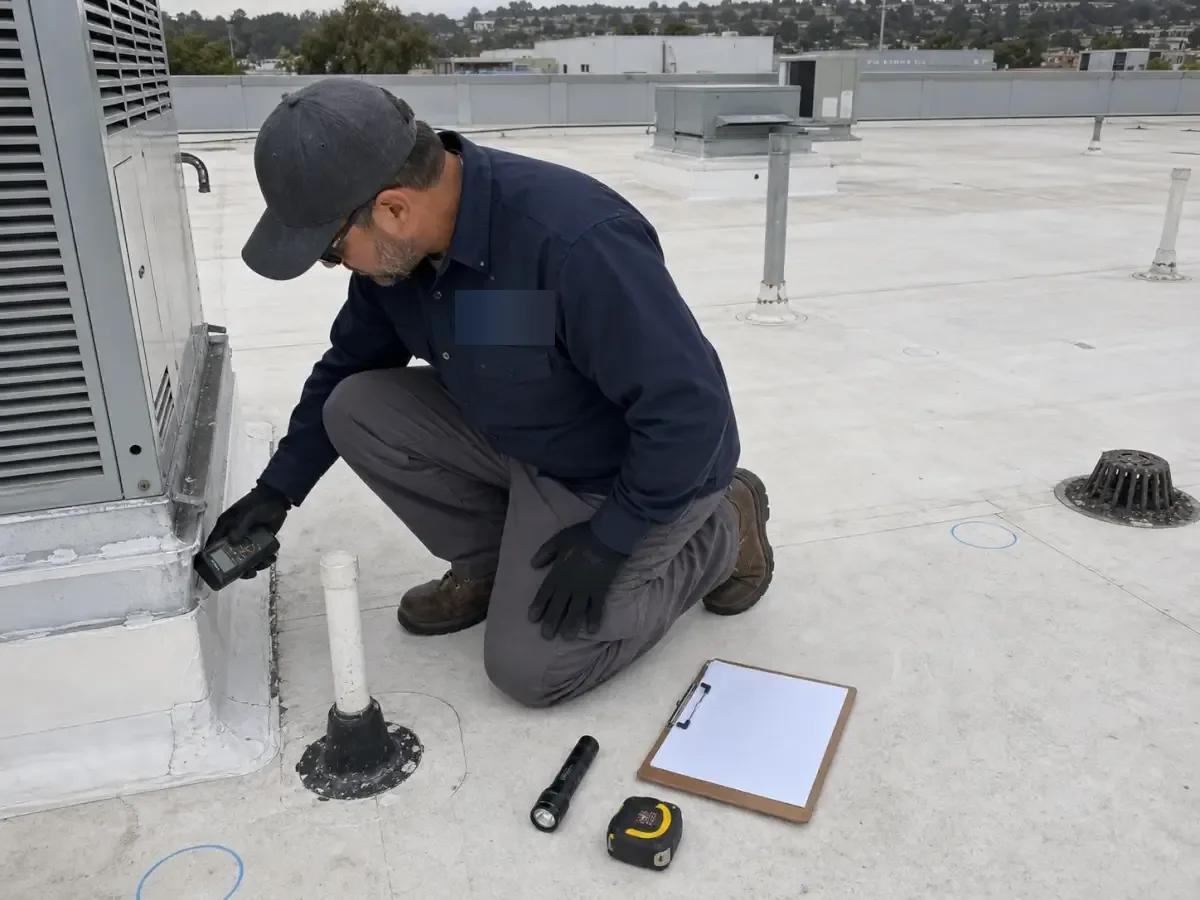
Water entering beside a curb can run beneath a membrane, follow insulation, or reach a ceiling away from the equipment. We inspect the uphill lap, curb corners, nearby drains, and the roof plane around the base. A moisture reading or controlled opening may be appropriate if the insulation condition could change how far material is removed. We identify the test location and what it can establish. A moisture survey can help target investigation, but the repair boundary follows confirmed assembly conditions.
A thawing snowpack can leave water tracking around a raised curb or outlet in Fishers. We check the drainage route as well as the penetration and note where refreezing could interrupt flow. A drain and scupper review can identify an obstruction or a low section that remains wet after flow clears. We do not close a curb patch over a water path that has not been checked.
What Is Included in the Repair Boundary?
The scope states the curb or support location, roof material, preparation, new flashing, fasteners, seam tests, and any part assigned to another trade. If the metal curb is corroded or too low for a reliable tie-in, we document the replacement detail rather than extending sealant over a failing edge. An equipment-area repair may also include nearby membrane or insulation when tests show the defect continues beyond the base.
Weather, equipment access, material availability, and the need for a shutdown affect duration and cost. We set a dry-in point and identify what would change the sequence if hidden damage appears. For a wider roof portfolio, a condition report can tie equipment details to photos and service logs. If the issue is part of repeated failures, a roof asset review can help compare repairs by section and set the next follow-up check.
Send the roof section, unit or support location, leak history, access window, equipment contact, and construction schedule. We will inspect the verified assembly, coordinate the trade interface, and return a defined repair boundary. The record will identify which work restores the roof and which equipment actions remain with another contractor.
Talk to Our Roofing Team
Call 555-555-5555 or request a roof assessment. Tell us the address, the roof type if you know it and where water or damage is showing. We work across Fishers, Carmel, Noblesville, Westfield, Zionsville and the surrounding communities.
Frequently Asked Questions
Can a leaking equipment curb be repaired without replacing the roof?
Yes, if the membrane and substrate around it remain sound and the flashing can tie into compatible material. We inspect nearby seams and test moisture where it could expand the removal boundary. A broader scope follows only if the field condition supports it.
Does a rooftop unit need to be shut down for curb repair?
That depends on access to the base and the work required. The facilities contact and mechanical vendor identify shutdown authority, lift needs, and restart checks. We plan the roofing opening so the unit's operating status is clear before flashing is removed.
What causes flashing to separate around a curb?
Movement, aging material, poor preparation, incompatible repairs, or a changed equipment position can stress the transition. We inspect the corners, termination, fasteners, and adjoining membrane to find the failure point and choose a repair that matches the verified assembly.
How does Fishers winter weather affect equipment penetrations?
Snowmelt and freeze-thaw can leave water near a raised curb or blocked drain. We check the runoff path, outlet, and flashing after a reported leak, then document the actual roof condition. Seasonal history helps with timing but does not identify a defect by itself.
What should a curb repair closeout include?
Keep the roof-zone label, equipment interface, membrane and flashing materials, photographs, test result, and any mechanical work still open. We identify the repaired boundary and the access or follow-up check needed to confirm the detail remains serviceable.
Fishers, IN
Review the Equipment Detail
Share the roof section, leak history, equipment contact, access window, and construction schedule. We will inspect the assembly and coordinate a defined roofing boundary with the responsible trade.