Roofing Manufacturers
Holcim Elevate Roofing
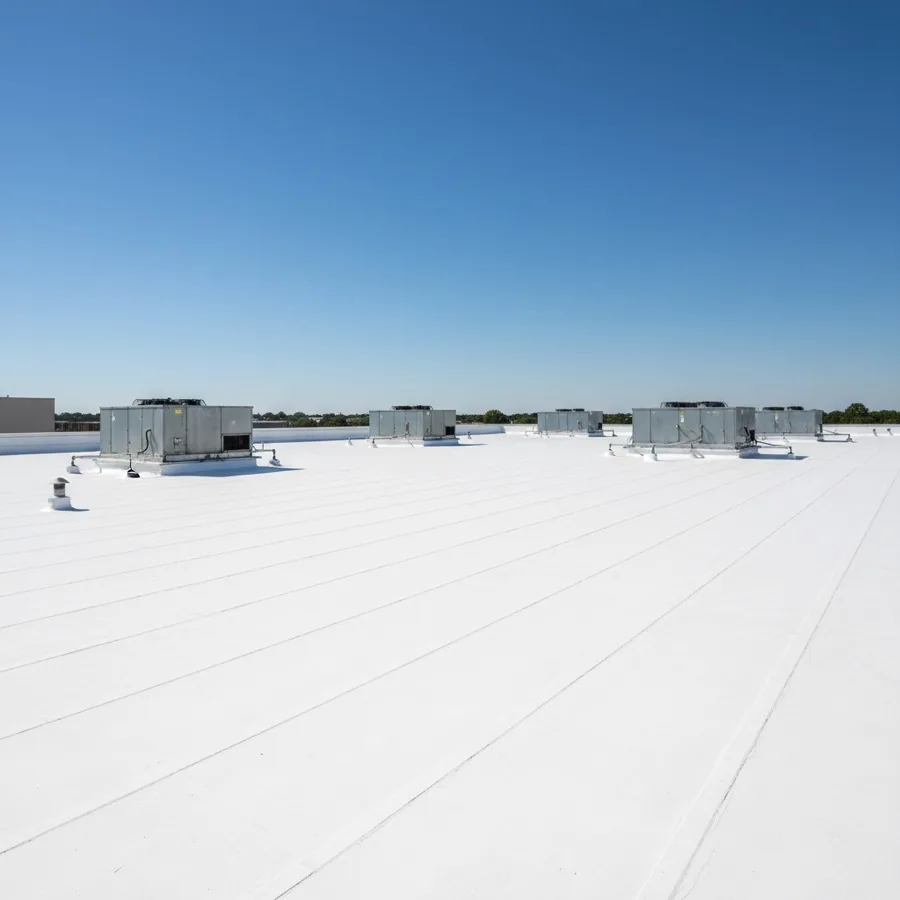
A leak near a parapet does not show whether the membrane, flashing, or concealed insulation needs correction. We inspect the roof section, record the visible assembly, and compare field details with the available Holcim product paperwork. The manufacturer offers commercial roof systems including TPO and EPDM membranes, but a logo or old invoice cannot confirm which material is installed across the whole building. The field review identifies seams, terminations, drainage, and previous repairs before a repair or replacement scope is proposed. That record gives the owner a clear boundary for the next decision.
Fishers' business areas connect along I-69 and State Road 37, with separate access and operating rules at each property. We plan around the building, not assumptions based on the district name. Owners comparing membrane choices can also review GAF roof systems and Duro-Last PVC assemblies when a project calls for alternatives. The installed assembly and project requirements still govern repair compatibility.
What does the roof detail show?
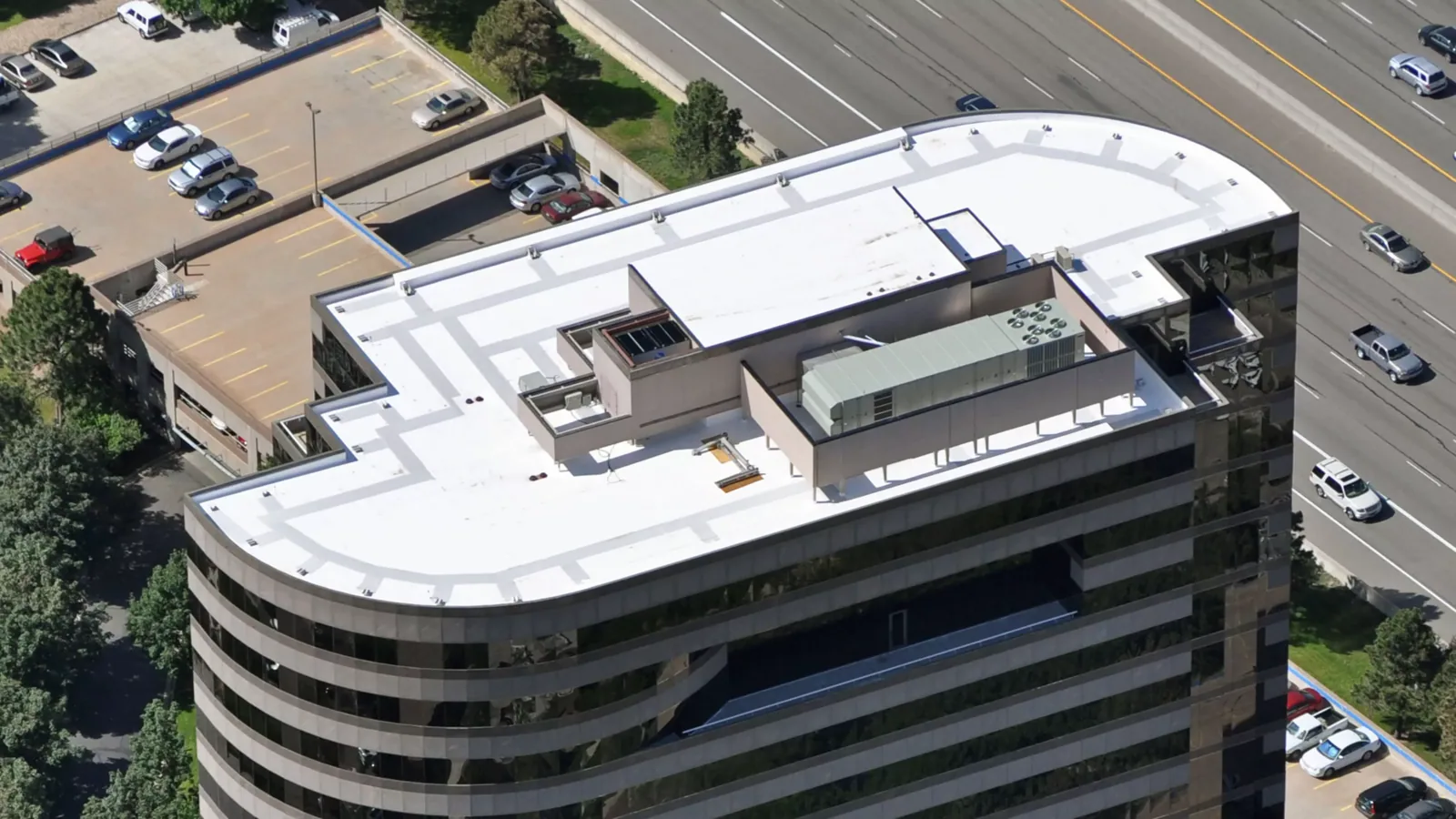
At a membrane corner, we check whether the flashing remains bonded, whether sheet tension has pulled material from a termination, and whether water has reached the insulation. A seam that looks closed from standing height may still have an open edge. We inspect the detail closely, photograph the condition, and record nearby drains, curbs, and patches. The report separates what can be seen from a concealed condition that would require testing or removal to confirm.
TPO and EPDM do not use identical repair procedures. We identify the membrane before choosing preparation and patch material, then verify the boundary reaches sound surface. Dirt, old coating, sealant, or a previous patch may interfere with a new tie-in. A roof repair scope describes preparation, material, measured area, and finish. If a sample or test is needed to confirm compatibility, we state the location and reason before opening the roof.
The Indianapolis Metropolitan Airport appears in Fishers redevelopment records as a named business area. A nearby project may have operating or security requirements that affect access, but the redevelopment designation does not tell us the roof assembly. We confirm the property contact, staging point, and allowed work hours. A roof visit in the airport business area still requires building-specific access information and a mapped work section.
How do drainage and moisture affect the choice?
A membrane repair cannot correct a drain that is blocked or a roof slope that holds water. We inspect outlets, scuppers, crickets, and low points near the reported area. Ponding may keep a seam wet or expose a weakness over repeated cycles. The field record identifies whether drainage is moving, what debris or obstruction is present, and whether water has marked the membrane. A drain and scupper review can be scoped separately from membrane repair.
Indianapolis normals show about 25.5 inches of annual snowfall, and seasonal freeze-thaw can leave water at details during a winter thaw. We document the outlet, edge, and adjacent flashing rather than treating snowfall as proof of damage. A snow and ice roof assessment can note what is visible and which areas need a follow-up after conditions change. If moisture appears to extend under the membrane, the owner can approve a survey or sample with its location recorded.
On a larger roof, surface observations may not establish the extent of wet insulation. A moisture survey can prioritize likely areas for investigation, while a core can confirm layers at selected points. We explain that one test location does not represent every section. The report marks readings, samples, and limits on the roof plan. If more testing is needed, we identify what question it answers and how the opening will be closed before requesting approval.
Roofing Manufacturers
When should repair give way to a larger scope?
A single split seam or flashing failure may be repairable when the surrounding membrane remains secure. Repeated leaks, widespread shrinkage, open seams, or wet insulation can change the decision. We map conditions by roof section and compare localized repair with replacement or a supported recover. The owner sees the included quantity, any alternate, and the concealed condition that could change the price or timing. A replacement review can define removal, insulation, edges, drainage, and tie-in work.
Manufacturer documents and warranty terms need review against the actual assembly. We keep the issued paperwork with the roof map and service record, then identify the question for the issuer when a proposed repair may affect coverage. A manufacturer name is not a coverage decision. A warranty record check can connect repairs, inspections, and open items to the correct building section.
For a roof with newer equipment or penetrations, we document curbs, supports, and flashing with the facility contact. We verify whether each tie-in is complete before closing the repair scope. A photo-based condition report can preserve that scope boundary for later review.
Roofing Manufacturers
What needs coordination before installation?
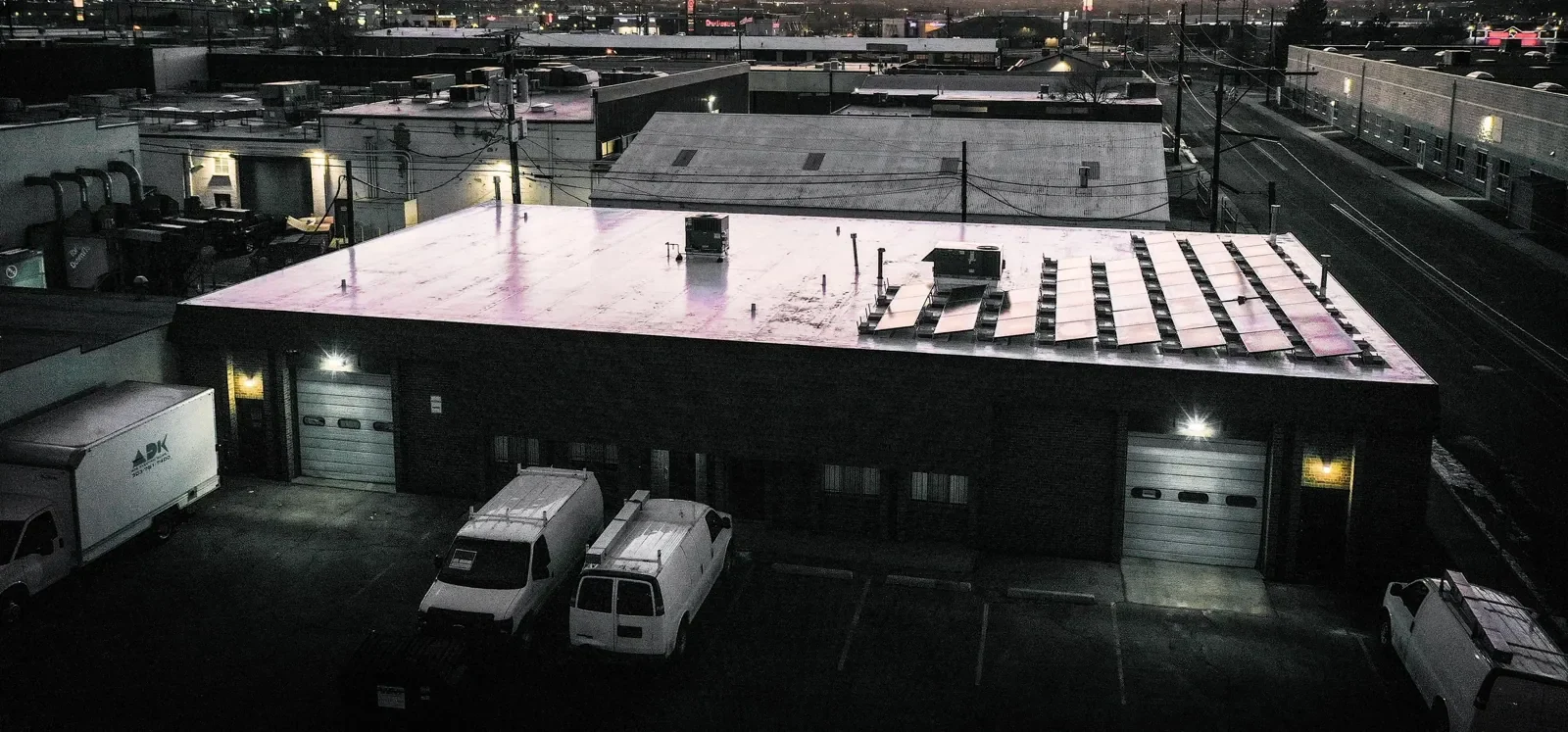
Membrane work depends on surface preparation, weather, access, and the time available to dry-in an open area. We identify the work sequence, staging location, daily stopping point, and contact who can approve changes. For occupied sites, we coordinate deliveries and roof access with tenant operations and other trades. A phased installation plan can set the order of roof sections and define protection if a forecast changes.
The Fishers Life Sciences & Innovation Park includes research and contract manufacturing organizations. Those operations may require specific access or shutdown coordination; they do not establish the roof system at a facility. We request the site's current procedures and identify equipment or sensitive areas that affect staging. If a condition appears after removal, we protect the opening, photograph the layers, and request direction before adding quantities.
Indianapolis summer normals include a July high near 85 degrees and significant June precipitation. We plan around surface conditions, material instructions, and the dry-in time each section needs. The closeout record notes installed materials, test results, photographs, open items, and areas that were not reached. The owner can compare completed work with the approved scope and preserve the final details alongside the issued warranty.
What should the owner provide?
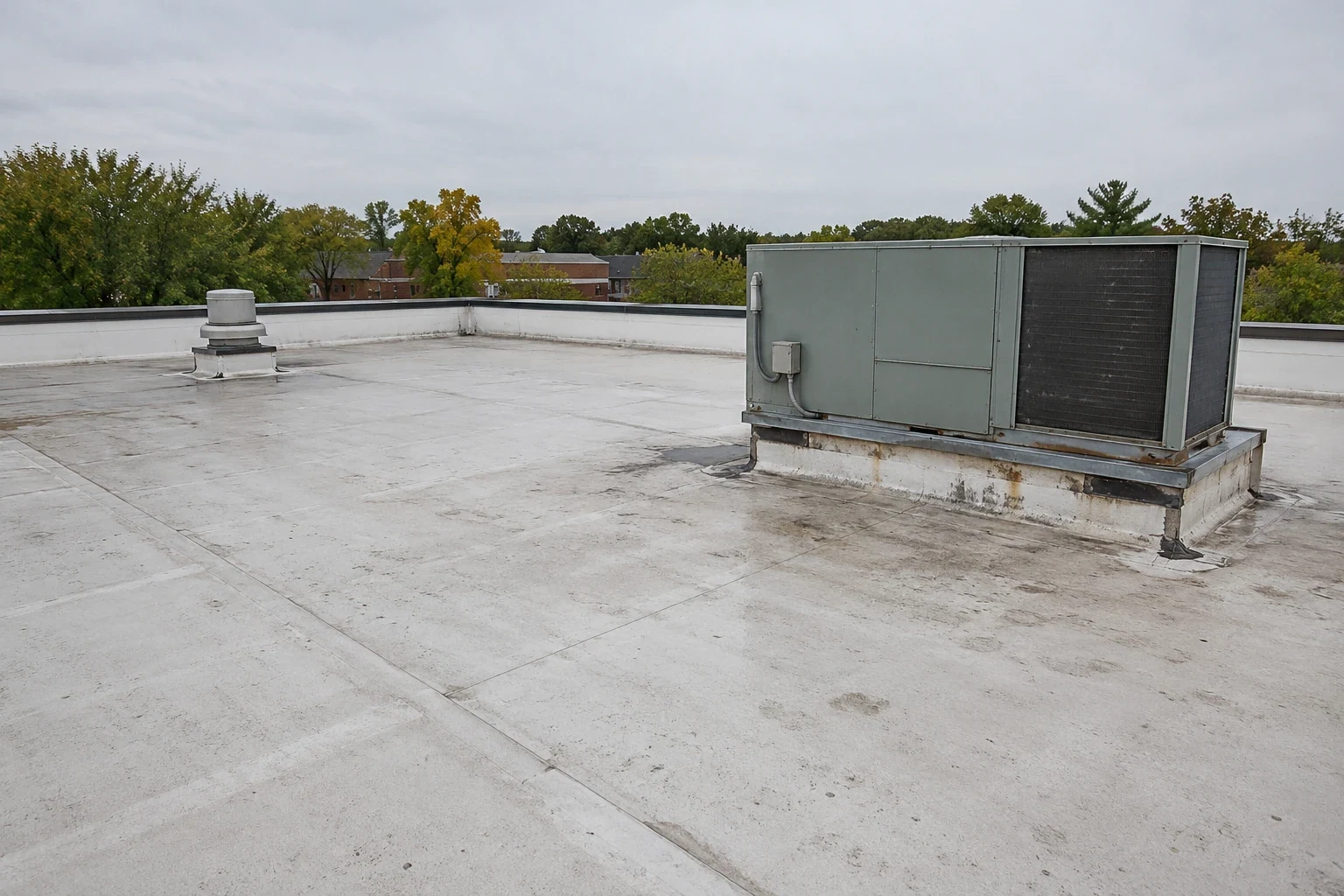
Send the roof plan, product labels or closeout documents, leak locations, prior repair records, and any warranty copy. Include the site contact, roof access instructions, tenant hours, and construction dates. We inspect the approved area, confirm the assembly where possible, and identify whether the next step is a repair, moisture investigation, or broader scope. If immediate water entry is active, crews are available at any hour for response and temporary protection.
A useful proposal names the membrane, preparation, repair or replacement quantity, detail transitions, and dry-in plan. It distinguishes confirmed work from assumptions that depend on removal. We also note any testing limits and who can approve concealed conditions. That lets an owner compare scope and timing rather than relying on product names alone. A roof inspection can start the record, while the final recommendation stays tied to the conditions found.
Talk to Our Roofing Team
Call 555-555-5555 or request a roof assessment. Tell us the address, the roof type if you know it and where water or damage is showing. We work across Fishers, Carmel, Noblesville, Westfield, Zionsville and the surrounding communities.
Frequently Asked Questions
Can you repair a Holcim roof without replacing it?
A contained seam or flashing failure may be repairable when the surrounding material is sound. We identify the membrane and check nearby details before setting limits. Repeated failures, wet insulation, or deteriorated substrate may support a broader review.
Does the manufacturer name identify the roof membrane?
No. The building may include a different product or more than one roof phase. We compare project paperwork with field characteristics and record unresolved questions before choosing a compatible repair material.
How do you handle a warranty question?
We review the issued document, identify the affected section, and organize inspection or repair records. The owner can submit those details to the issuing party. Coverage follows the actual terms and is not established by the brand name alone.
When is a core sample needed?
A core can confirm concealed layers or substrate condition when that information could change the scope. We identify the location, reason, and repair method for the opening, then report what the sample does and does not establish.
What can delay a Holcim roof project?
Wet or cold surfaces, rain, hidden damage, access limits, and tenant schedules can change sequence. We state daily dry-in points and document any condition that needs owner direction before continuing.
Related Roofing Work
Fishers, IN
Confirm the assembly and work limit
Share the roof map, manufacturer records, active leak locations, access rules, and construction dates. We will inspect the released section and set out the repair boundary or test needed to resolve it.