Roofing Manufacturers
Versico Commercial Roofing
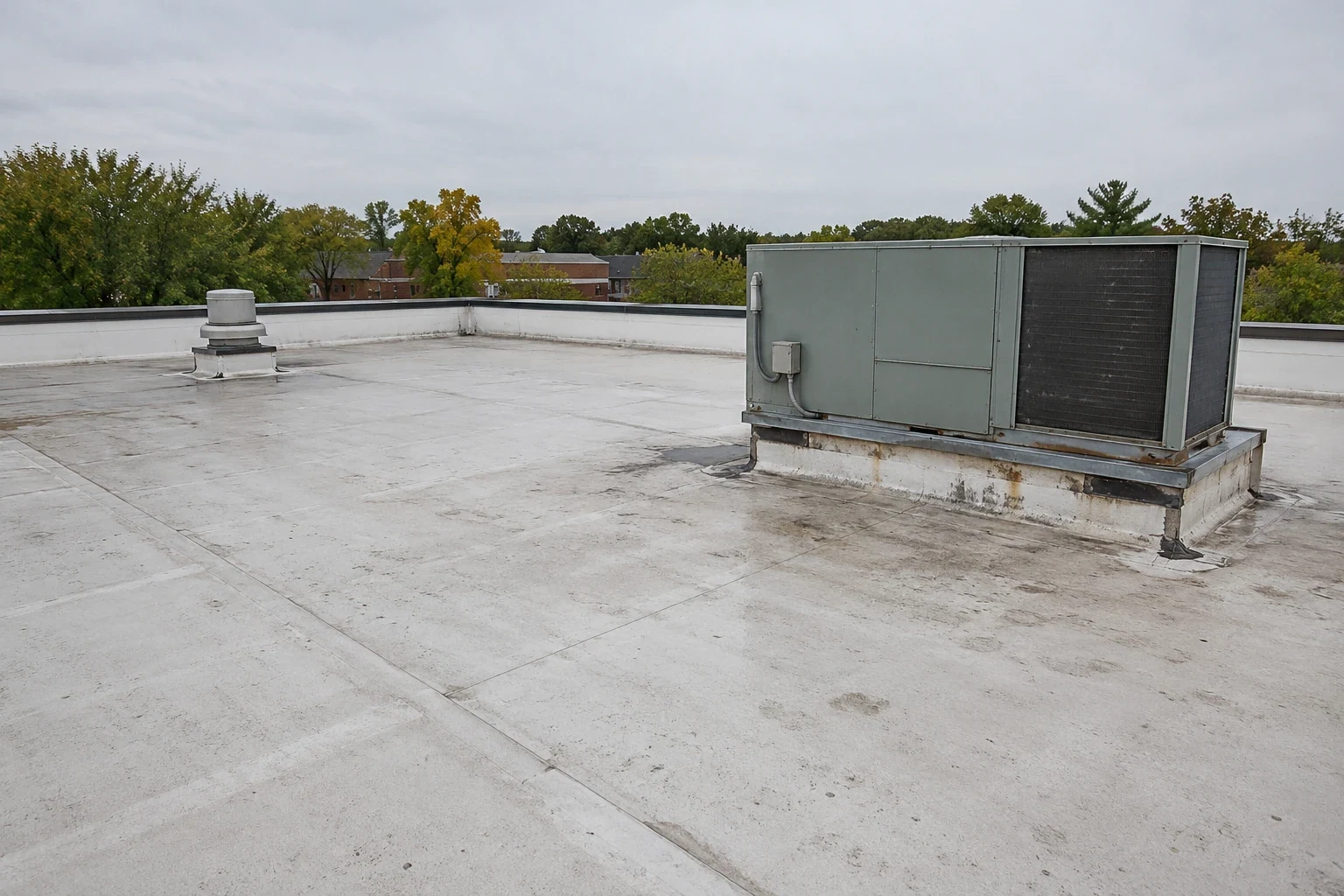
A split seam or failed curb flashing on a Versico roof needs a field check before a repair method is selected. We identify the installed system, inspect surrounding details, and note whether the condition appears isolated or extends into the roof assembly. Versico supplies several commercial roofing system types, so an owner should not assume every phase uses one membrane. Product documents, labels, visible seams, and attachment clues help establish the assembly. We map the affected section and explain what is known, what needs testing, and how the work can be kept weather-tight.
Fishers' commercial core follows I-69 and State Road 37. Noblesville lists Innovation Mile, Washington Business Park, and other commercial districts. Those broad areas help organize service, but each building sets its own access rules. Owners weighing material choices can compare Soprema roofing assemblies and Carlisle SynTec membranes with the verified roof build-up. A product comparison should include attachment, insulation, drainage, and transition details rather than a name alone.
Where does the roof system open?
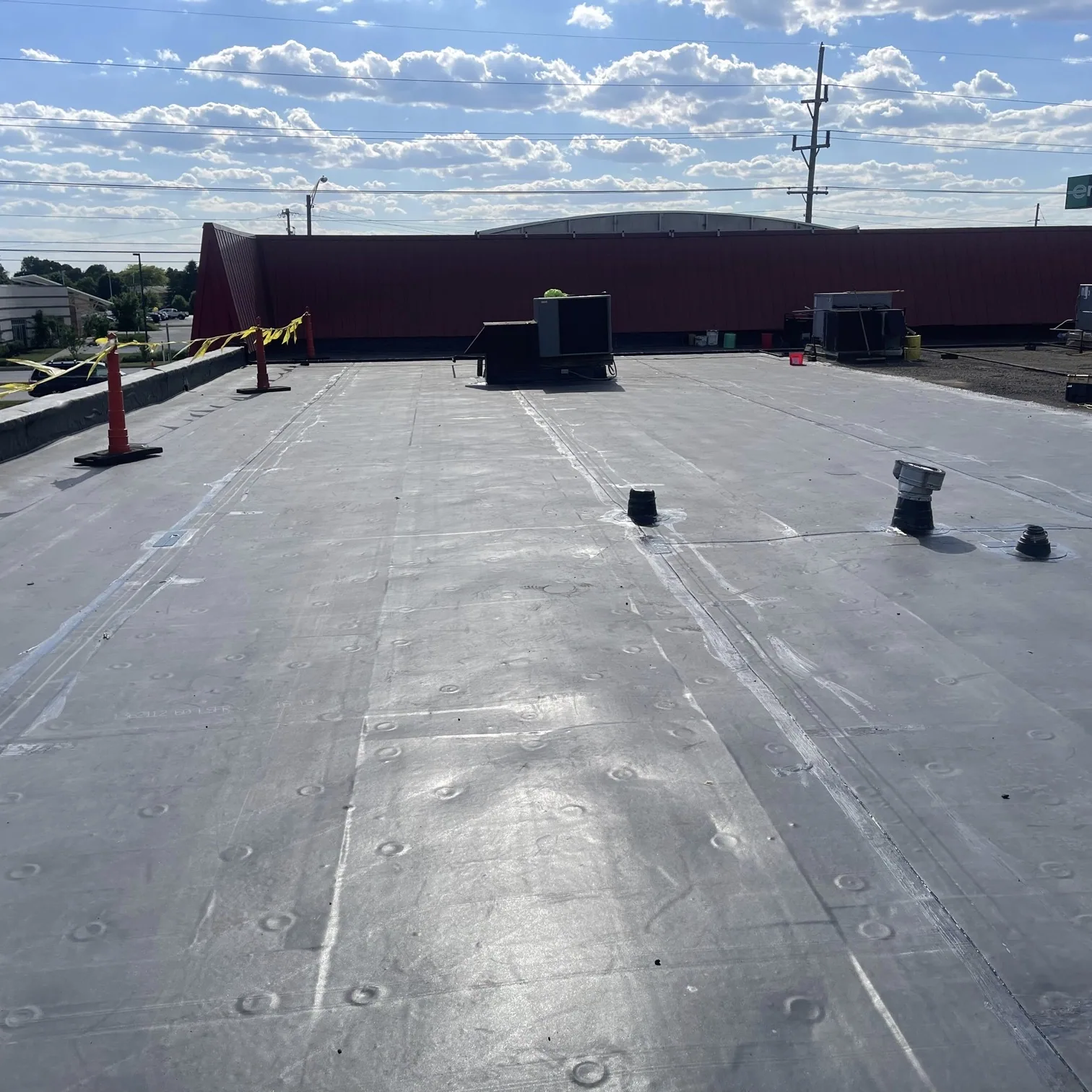
A leak near a rooftop unit can begin at the curb corner, field seam, pitch pocket, or sheet edge. We inspect the water path from the reported area and look for movement, old sealant, damaged membrane, and wet materials. On single-ply roofs, a small opening can let water travel under the sheet before staining an interior ceiling. We photograph the detail and mark the roof plan so the owner can tell which area has been evaluated.
Repairs depend on the identified membrane. A TPO or PVC seam may need preparation and heat welding, while EPDM uses different materials and seam methods. We verify the surface and previous repairs before installing a patch. A localized roof repair states the affected length, surface preparation, repair material, edge finish, and any limit where concealed damage could extend the work.
When a project adds rooftop equipment, we inspect each curb, support, and flashing where it meets the existing membrane. The project file identifies who owns the transition and who can approve additional work.
What should a field inspection establish?
We start with accessible edges, seams, drains, roof-to-wall transitions, and prior repair areas. The inspection notes membrane type where confirmed, attachment clues, visible insulation changes, and areas that could not be reached. If a property has additions, we map each roof section separately rather than assuming one build-up. A commercial roof inspection provides a dated baseline that can be compared with earlier repair records and future observations.
Visible findings may not answer whether insulation is wet or deck corrosion is present. If a moisture survey or sample would change the scope, we state the proposed test area and reason before asking for approval. A survey can help prioritize locations, while a core provides direct evidence only at the sample point. The report labels each result and its limits. When an owner needs a written baseline, a photo-mapped condition report can connect observations with roof-plan references.
Winter normals for Indianapolis show about 25.5 inches of snowfall and seasonal freeze-thaw. After snowmelt, water can linger at low points or along a shaded edge. We record outlet flow, debris, ponding, and the condition of nearby seams. A winter roof inspection documents what can be seen without assuming snowfall caused each defect. If ice or blocked drainage prevents a close look, we identify a safe follow-up window.
Roofing Manufacturers
How do owners compare repair and renewal?
A targeted patch may fit a contained defect when the surrounding roof remains stable. Several recurring leaks, open seams, widespread wet insulation, or failed attachment may point to broader work. We chart the findings by section, separate urgent water entry from watch items, and identify which test could change the decision. The owner can compare repair with recover or replacement using quantities and assumptions that are visible.
A recover needs a suitable existing assembly and substrate, while replacement may require removal, insulation, edge work, and drainage changes. We inspect the proposed areas and review the available project records before recommending a path. A recover evaluation checks the existing build-up and attachment, while a replacement scope can define removal, tie-ins, dry-in, and phasing.
Noblesville lists Innovation Mile and Washington Business Park among its commercial districts. A portfolio across Noblesville and Fishers can share a regional schedule while keeping each roof map and assembly record separate. For a Washington Business Park service visit, the building contact confirms access and the approved roof area.
Roofing Manufacturers
What needs to happen before the crew arrives?
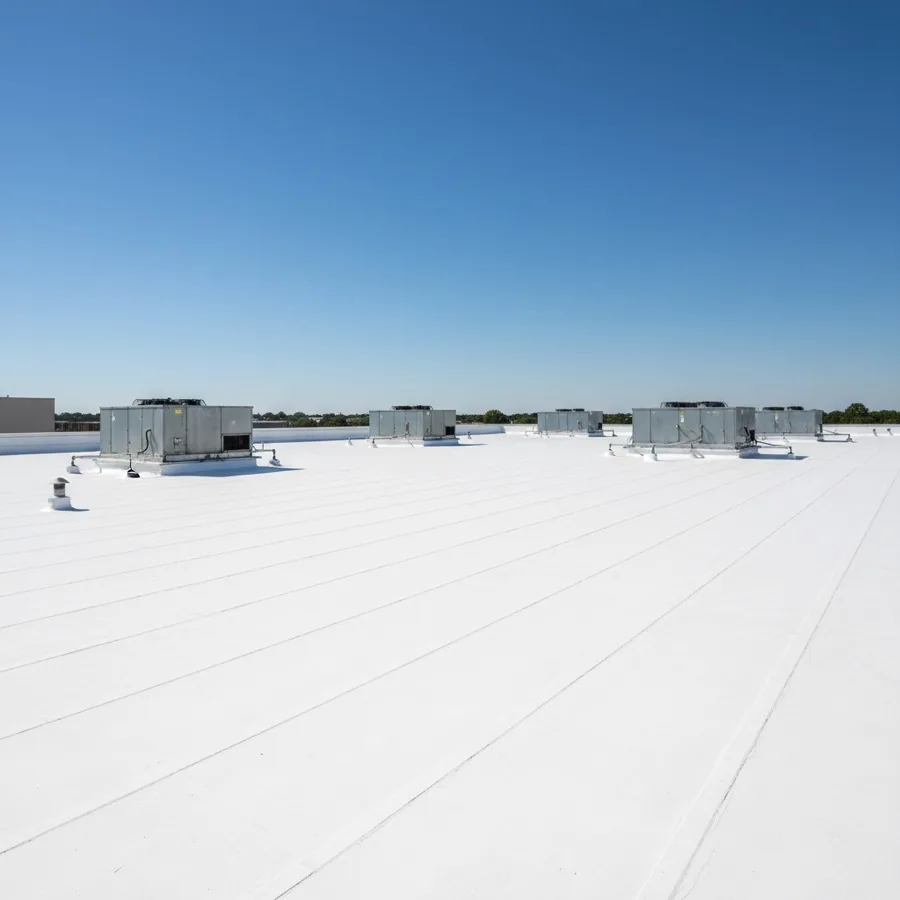
The work plan identifies the access route, material staging, roof section, daily dry-in point, and person who can approve a change. We coordinate with tenants and other trades, especially where equipment or deliveries share the same area. If the work opens a concealed condition, we protect the area, document it, and request direction before adding quantities. A phased work plan can keep an occupied building's roof areas controlled throughout the project.
Indianapolis normal July highs reach 85.2 degrees, and normal June precipitation is 4.95 inches. We check current surface and forecast conditions before scheduling preparation and closeout. We review the forecast and field conditions before scheduling seams or exposing insulation. If an active leak needs immediate attention, emergency response is available at any hour; temporary protection and permanent repair are recorded as separate work.
Closeout ties installed materials, repair locations, photographs, test results, and remaining questions to the approved scope. The owner should retain product and warranty paperwork with those records. We note inaccessible areas and the next review item so another crew does not mistake an incomplete inspection for a clean bill of health. A dated map and concise work description make later repairs easier to compare against the current condition.
Which records belong with the roof?
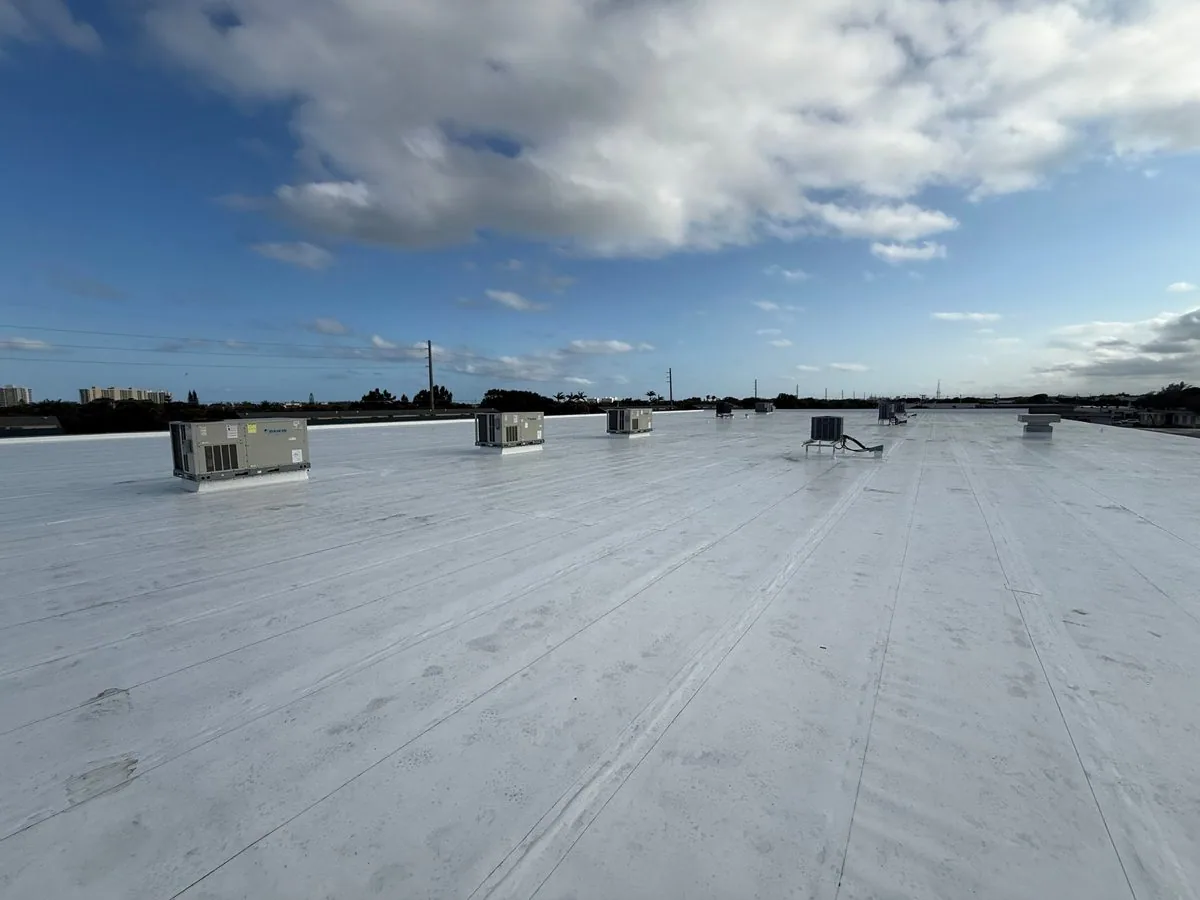
Gather the roof plan, Versico documents, warranty copy, leak history, previous repair scopes, and site access instructions. Include planned construction or tenant restrictions. We use those records to focus the inspection and identify questions about membrane type, repair compatibility, and work sequence. If records conflict with field evidence, we say what is unresolved and whether a sample or more access is needed.
Warranty requirements come from the issued document. We can preserve inspection, repair, and closeout information, then identify the question the owner should direct to the issuing party. A warranty file review helps keep service records tied to the proper roof section without predicting a coverage decision.
A proposal should name the system components, scope boundary, preparation, tie-ins, drainage work, and concealed-condition approval process. The owner can compare repair, testing, and renewal as distinct options. A capital plan review can connect the current findings to a future funding window while keeping today's urgent repairs visible.
Talk to Our Roofing Team
Call 555-555-5555 or request a roof assessment. Tell us the address, the roof type if you know it and where water or damage is showing. We work across Fishers, Carmel, Noblesville, Westfield, Zionsville and the surrounding communities.
Frequently Asked Questions
Can a Versico membrane be repaired with a standard patch?
The repair material and preparation depend on the verified membrane. We identify the system, check the surface and prior patches, and state the compatible method. A generic sealant may not restore a seam or flashing connection.
Do all roof areas at one building use Versico products?
Not always. Additions and past replacements may create separate assemblies. We map sections and compare labels, closeout records, and visible details before using one identification across the property.
Can you tell if the insulation is wet without opening the roof?
A surface inspection can identify signs, and a moisture survey may prioritize further checks. A sample may be needed for direct confirmation. We explain each method and its limits before proceeding.
What happens if a repair exposes deck damage?
We secure the opening, photograph the condition, and request approval before expanding the scope. The owner receives the location and revised quantity so the added work is tied to an observed condition.
What should I send before requesting Versico service?
Send the roof plan, product or warranty documents, leak locations, prior repairs, access contacts, and any project dates. We will review the records and identify the next field check.
Fishers, IN
Inspect the Versico section before setting quantities
Send the roof map, product documents, leak history, access window, and upcoming construction schedule. We will inspect the approved area and identify the repair or test that should come next.