Property Types We Roof
Army Installation Roofing
A roof opening over a readiness, administrative, or equipment area can interrupt a scheduled mission activity before the source is clear. We identify the affected roof section, inspect the water path, and coordinate access through the facility's authorized contact. Military properties require a defined work boundary, approved personnel, and a reliable handoff at the end of each shift. The field record states what was inspected, what remains inaccessible, and what condition would change the scope.
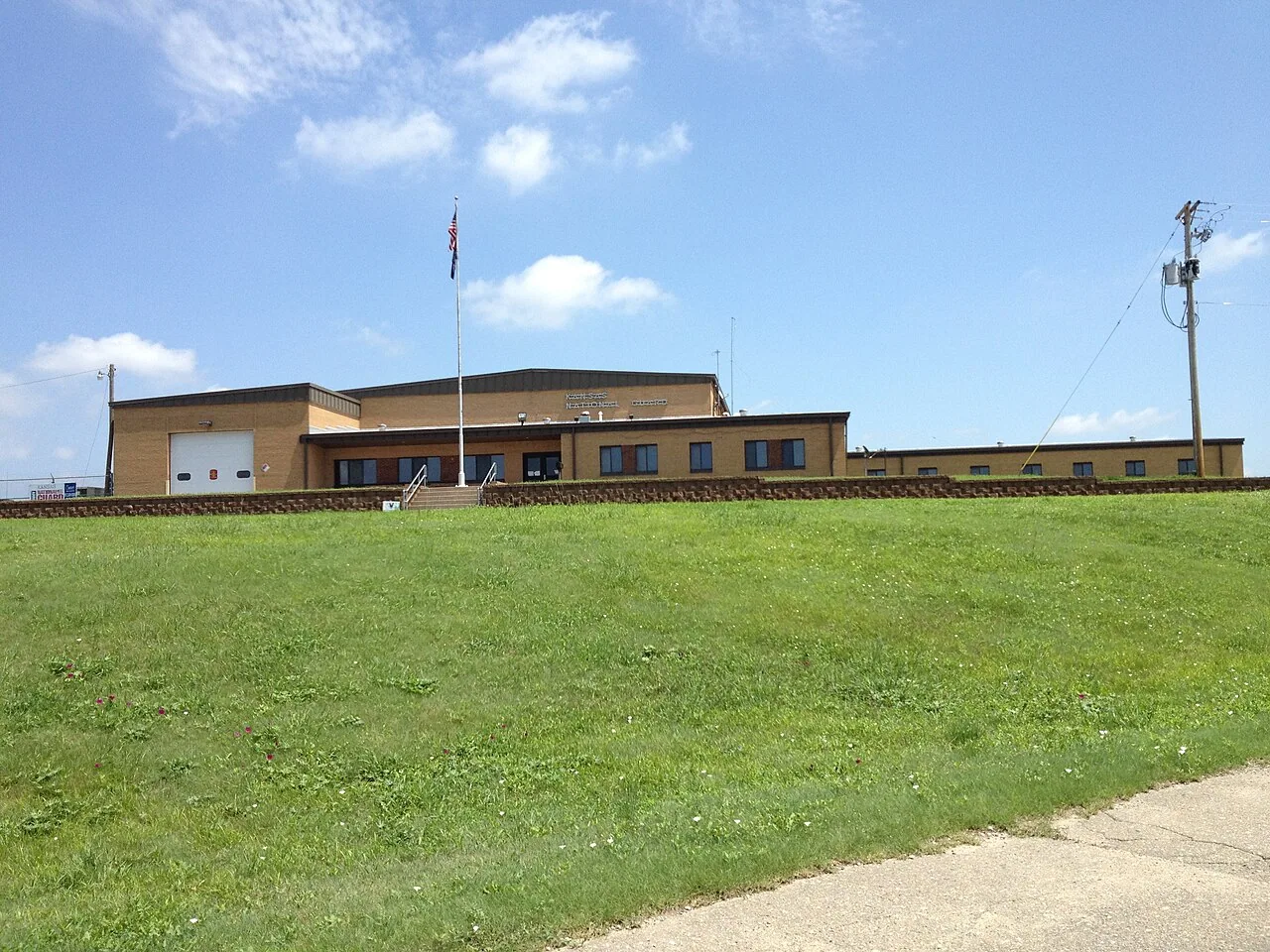
Based in Indianapolis, the 310th ESC is an Army Reserve command that plans and coordinates operational sustainment. That mission makes clear sequencing and current facility records relevant to nearby military work. The Lawrence Readiness Center is an Indiana Army National Guard armory in Marion County. A roofing visit near Lawrence and Fort Ben still follows the specific building's access authority and approved work zone.

Who controls entry and the work boundary?
Before an inspection, the authorized facility contact identifies badging, escort, photography, vehicle, tool, and material requirements. We submit the requested crew and equipment information through the designated process and wait for access clearance before mobilizing. The contact also states which doors, yards, roofs, and interior rooms are available. A site map or roof plan helps keep the visit inside the approved boundary.
Access rules can vary across administrative, storage, training, and maintenance functions. We confirm whether a roof hatch, ladder, or lift can be used, who holds keys, and whether an escort stays with the crew. If a secured space cannot be entered, the report lists the limitation rather than treating that roof section as inspected. A military roofing work plan can list access assumptions, shift windows, and the person authorized to accept each daily handoff.
Security controls also affect photography and electronic devices. The facility contact provides the approved procedure, and the crew follows it while documenting the roof condition. We do not photograph restricted areas outside the authorization. If approved roof images cannot be retained or shared, we use the facility's required record method and identify what evidence remains available for the scope decision.
Which roof condition can interrupt the mission?
A ceiling mark above a workroom may come from a roof detail, a mechanical line, or a concealed path along the deck. We compare the report with roof slope, seams, curbs, drains, wall transitions, and equipment penetrations. Photos identify the observed defect and separate it from a suspected route that needs testing. If a test cut is needed, the owner approves location, protection below, and restoration before removal begins.
Indiana armories support training, administration, logistics, assembly, classrooms, and equipment storage. Those varied functions can place different assets beneath connected roof sections. We identify the room and activity below the reported area, then plan containment for personnel, sensitive equipment, and stored materials. The Lawrence Readiness Center and Lawrence National Guard Armory are listed facilities in Lawrence, Marion County. The facility contact sets access and the roof area available for inspection.
At a curb or penetration, we check flashing attachment, material compatibility, and signs of movement. Metal edges and joints receive a separate look for loose fasteners, open laps, corrosion, and prior sealant. A condition inspection records the assembly where visible, identifies access limits, and names the next test when concealed layers prevent a firm conclusion. A readiness-center roof review may also help define rooms that need different protection.
Property Types We Roof
How should the work fit the operating calendar?
The facility contact identifies training periods, equipment movement, vehicle routes, loading windows, and any mission activity that cannot pause. We schedule lifts, material delivery, noisy removal, and debris handling around those limits where possible. The work plan names a start point, daily stopping condition, and the official who can release a space back to use. Any restriction that cannot be avoided appears before mobilization.
Military work depends on the approved facility calendar. We confirm the access period, coordinate equipment and material movement through the designated official, and record the handoff at the end of each shift. If another trade controls equipment shutdown, its authorization and timing remain separate from roofing.
Weather can compress an access window. Indianapolis winter normals include snowfall and recurring freeze-thaw conditions, which can limit safe roof access and alter temporary dry-in needs. We check conditions before entering the roof and set a weather response with the contact. If precipitation approaches before permanent work is complete, the crew secures the opening using an approved method and records the remaining exposure. A time-sensitive response can address active water entry while permanent work waits for safe access and compatible installation conditions.
Property Types We Roof
What repair method fits the verified assembly?
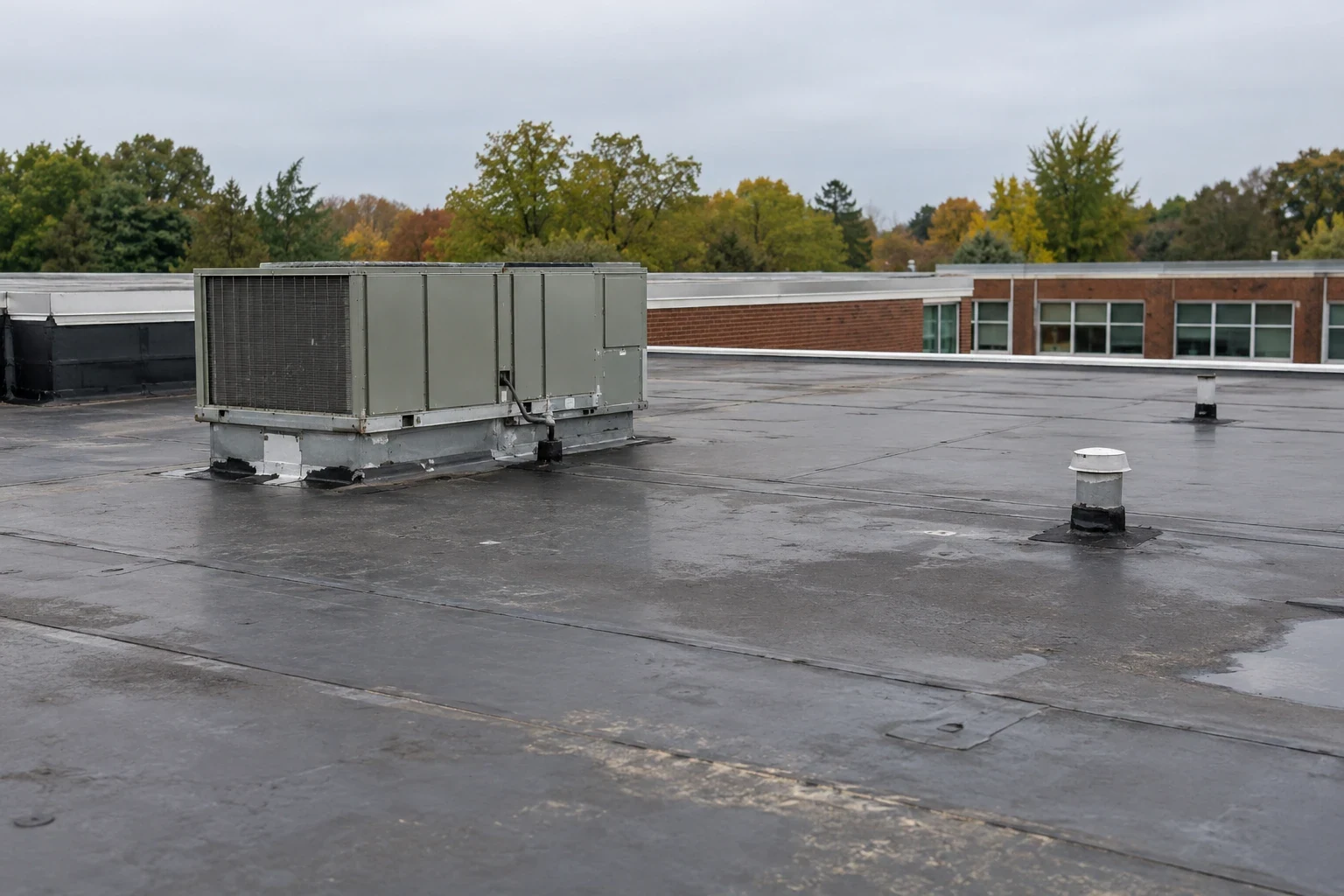
Army and Reserve facilities may contain low-slope membrane, built-up, metal, or mixed roof areas. We identify the installed system and check seams, attachment, insulation, penetrations, edges, and drainage before selecting material. A local defect can receive a targeted repair when adjacent layers are sound and the tie-in can be made compatible. The proposal defines preparation, measured area, access, and any temporary protection.
If removal exposes wet insulation, deck damage, or a second failed layer, the crew secures the opening and documents the finding. Expansion beyond the approved boundary waits for quantities and authorization. Repeated leaks, widespread moisture, corroded panels, or weak attachment can justify comparing a recover and full replacement. A recover requires a dry, stable, compatible roof with acceptable heights at curbs, drains, and edges. A replacement comparison should state removal assumptions and a dry-in sequence by roof section.
Metal maintenance areas may need a different repair than membrane-covered administrative space. We separate the systems on the roof plan and identify which details connect at a wall or expansion joint. For a panel assembly, a standing-seam condition review looks at panel movement and attachment; a membrane section receives its own seam and flashing assessment. The selected method follows field evidence and approved material requirements.
What will the facility receive at handoff?
Closeout identifies the inspected and repaired roof sections, visible defects, work performed, materials, photos allowed under site rules, and areas not reached. It records temporary cover, open interfaces with other trades, and the return condition for any unfinished work. The facility contact can compare that record with the approved scope and retain it for later maintenance or capital planning.
The Fishers commercial core follows I-69 and State Road 37, connecting the city with Indianapolis and Hamilton County destinations. That regional geography does not change security procedures, but it can affect approved travel routes and delivery timing. We confirm the designated gate and route with the site contact rather than planning from a public map alone. If multiple buildings share a program, a warehouse roof assessment can isolate storage structures from administrative or readiness areas.
Send the roof plan, leak history, access process, mission calendar, equipment contacts, and prior repair record. We will inspect the approved boundary, document the water path, and provide a scope decision with any remaining access or testing requirement clearly stated.
Talk to Our Roofing Team
Call 555-555-5555 or request a roof assessment. Tell us the address, the roof type if you know it and where water or damage is showing. We work across Fishers, Carmel, Noblesville, Westfield, Zionsville and the surrounding communities.
Frequently Asked Questions
Can a contractor inspect a secured military roof?
The facility's designated authority sets the access and escort process. We provide requested crew and equipment information and perform only the inspection areas released for that visit.
How do you handle a leak when a room is restricted?
We document the reported location, inspect reachable roof areas, and record the access boundary. The facility contact can arrange another authorized window if a restricted room or roof section is necessary to confirm the water path.
What happens if removal reveals concealed damage?
The crew protects the opening, photographs the condition within site rules, and measures the affected area. Work beyond the approved repair waits for the responsible official's authorization.
Can the work be scheduled around training?
Yes, the facility contact provides training periods, movement restrictions, and delivery windows. We place noisy tasks and roof access inside the agreed schedule and confirm each daily handoff.
What does the roof report include?
It identifies the assembly where visible, mapped conditions, approved photos, access limits, work completed, and open items. The record also names the next test or return trigger when a conclusion remains pending.
Fishers, IN
Coordinate an Army facility roof review
Provide the roof plan, authorized contact, access process, mission calendar, leak history, and equipment restrictions. We will define the approved inspection area and record the next scope decision.