Commercial Roofing Services
Military Installation Roofing
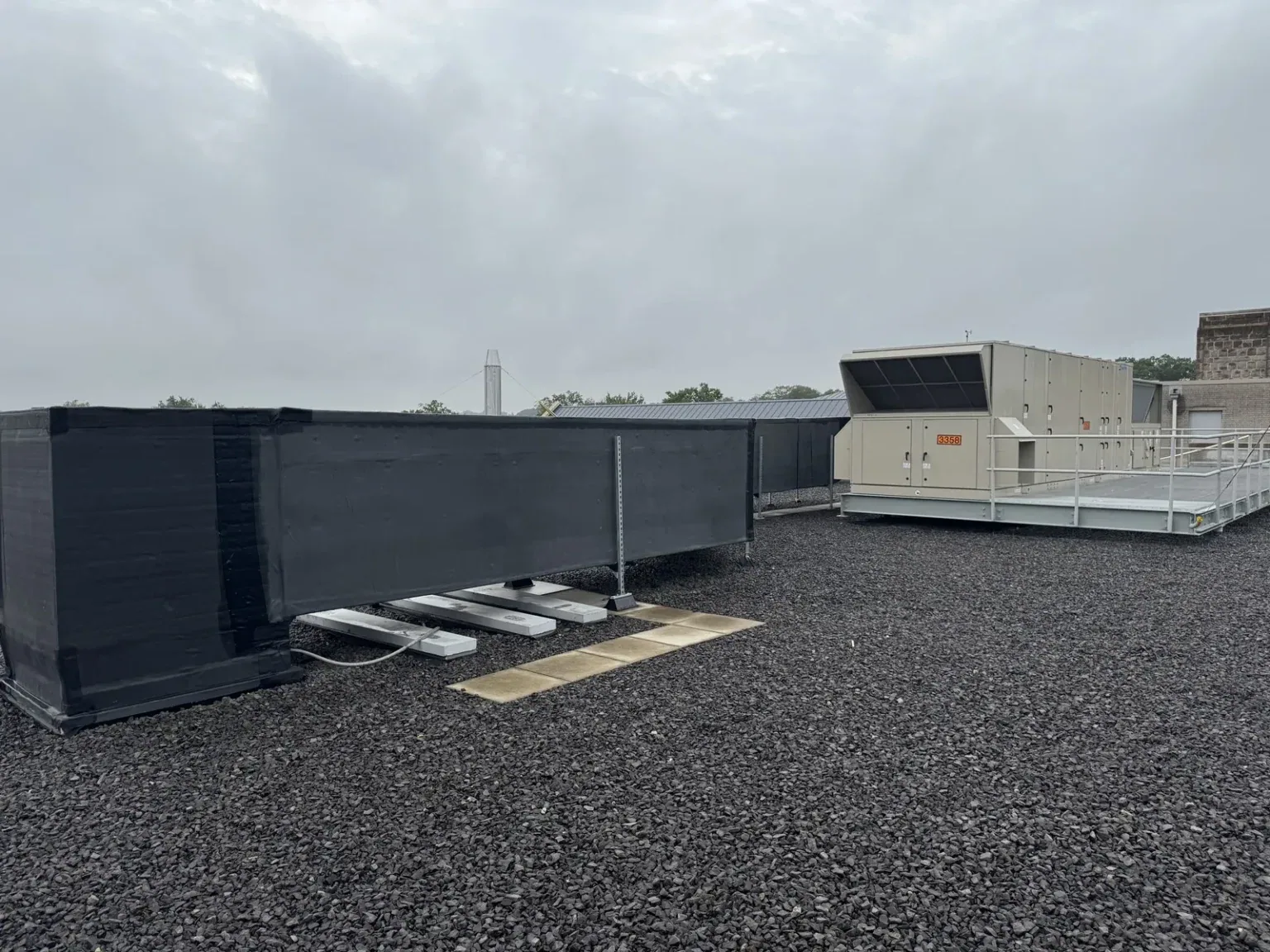
A roof repair inside a controlled facility must fit both the failed detail and the site's access rules. We identify the building, assembly, mission schedule, escort requirements, and authorized work boundary before opening the roof. In the Fishers service area, the Indiana National Guard lists the Lawrence Readiness Center and Lawrence National Guard Armory about 15 miles southwest of the city. That facility supports Guard training and administration, so the work plan needs a named site contact, secure entry, and a schedule that respects its operations.
What Does the Facility Need Protected?
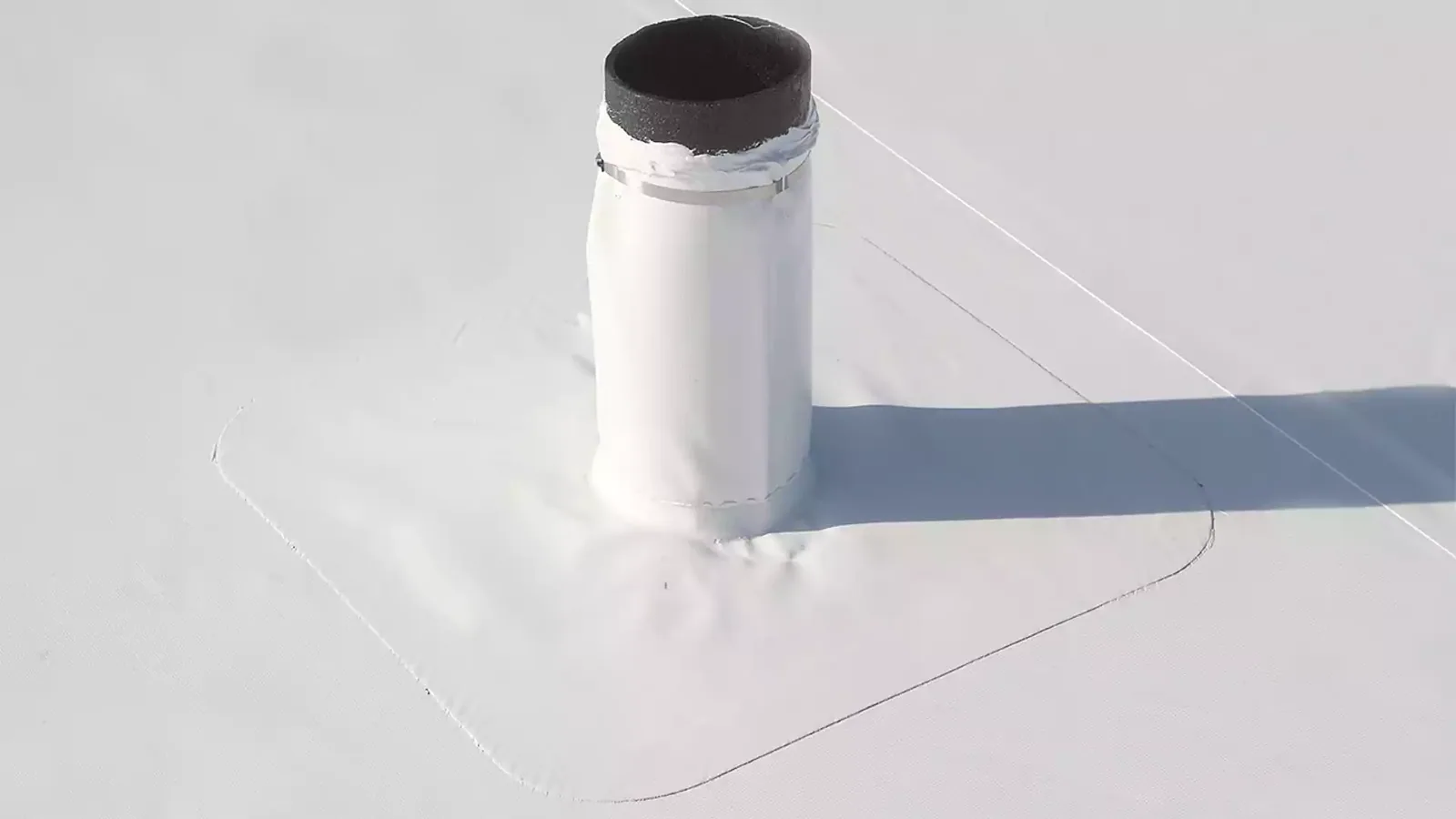
Guard armories and readiness centers can include training and assembly space, administration, logistics, classrooms, and equipment storage. Those functions create different roof concerns. A leak above a classroom may need interior protection and a specific access window; a defect near equipment storage may require materials to be kept clear of stored assets. We confirm the actual room and roof zone with the facility contact, then record the routes, restrictions, and work area approved for the visit.
The Indiana National Guard lists the Lawrence National Guard Armory and Lawrence Readiness Center in Lawrence, about 15 miles southwest of Fishers. On a Guard project, the authorized representative identifies the building drawings, escort rules, secure areas, and mission or training schedule that affects entry. The roof survey establishes the assembly and repair boundary for the named building. A National Guard armory roof scope records those inputs alongside the roof section and reported condition.
For broader military work, the 310th Sustainment Command (Expeditionary) is an Army Reserve command based in Indianapolis, with an operational command-post role for the 377th Theater Sustainment Command. For roofing work involving a command-post building, the contracting and facility teams identify the assigned roof area, contract documents, and approved access plan.
How Is Access Controlled?
Before mobilization, the facility identifies badging, visitor approval, escort, vehicle inspection, tool control, photography restrictions, and material screening. The general contractor provides current submittals and worker information in the required format. We confirm who can authorize entry and who can stop work if an operational condition changes. The schedule includes check-in, escort transitions, work limits, and debris removal.
Access may be limited to a specific building or shift. We stage roofing material only in approved areas and keep service paths, gates, and emergency routes clear. If a room below the roof needs special protection, the facility contact coordinates that area before removal. A phased occupied-building sequence can separate roof sections and define a secure stop point each day. That sequence is important when escorts or mission requirements restrict how long a crew can remain in one zone.
Project documents may require Unified Facilities Criteria for roofing, a particular submittal path, or specific testing and closeout records. We review the contract's actual edition and scope before pricing. If a design professional specifies wind-uplift, fire, insulation, or edge requirements, the roof assembly and field details must follow those documents. A roof inspection can map the existing system and identify which details need confirmation before the submittal is finalized.
Commercial Roofing Services
What Roof Conditions Set the Scope?
We inspect membrane seams, metal panel laps, curbs, penetrations, drains, scuppers, edge metal, and previous repairs. Water may travel beneath a roof surface before reaching an interior space. We trace the reported condition and mark what was accessible. If moisture beneath the membrane could change the repair boundary, we identify a targeted test and obtain approval for the opening. A moisture survey can help locate areas for verification, while the test result applies only to the sampled location.
Indianapolis climate normals record recurring winter snowfall and freeze-thaw exposure. Meltwater can collect at an outlet or refreeze at an edge, so we check the drainage route and secure a weather-tight stopping point before work begins. Summer rainfall can also expose weak transitions. A drainage review documents bowls, overflow paths, and membrane connections. Seasonal conditions guide inspection timing, but each repair follows conditions found on the roof.
The service area includes Fishers, Lawrence, and central Indianapolis. The Richard L. Roudebush VA Medical Center is a multi-building hospital campus in downtown Indianapolis, with road access from I-69, I-465, I-70, and I-65. Work at a VA medical center has its own patient, visitor, clinical, and access procedures. A VA medical center roof plan coordinates those requirements with the roof survey and operating contact.
Commercial Roofing Services
Which Assembly and Work Window Fit?
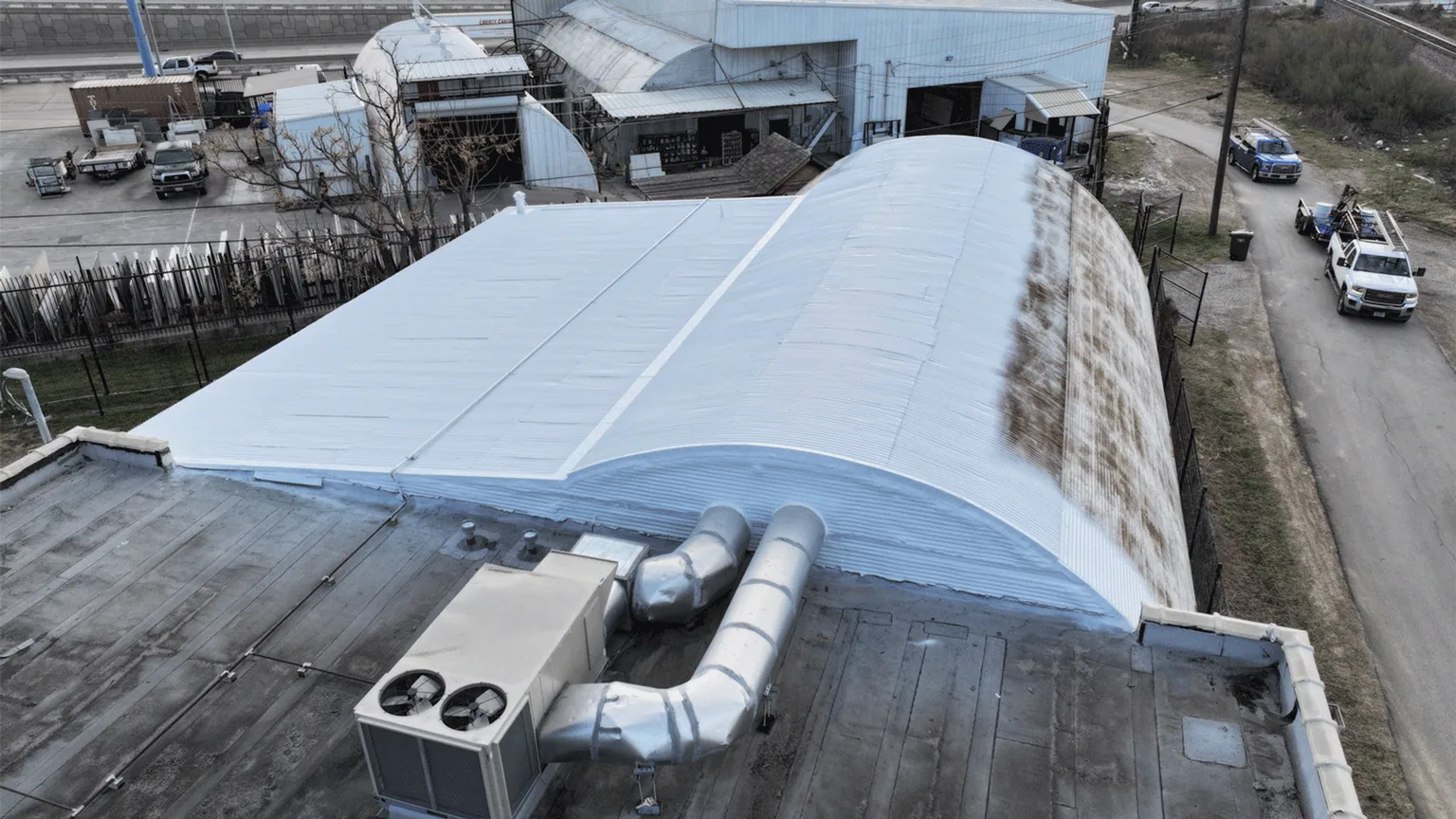
The repair method follows the verified assembly. Thermoplastic membranes need a compatible weld and flashing transition; metal systems need movement and fastening details; built-up roofs have different surfacing and lap conditions. We compare available project records with field observations and test the surface where material identity is unclear. The proposal names membrane or panel work, edge details, insulation, attachments, and any trade interface included in the scope.
Winter access can affect roof safety and installation conditions. The Lawrence armory and readiness center are about 15 miles southwest of Fishers; the facility contact confirms its approved vehicle route and staging point. We set work periods around mission or training schedules, forecast, crew access, and required escorts. A repair scope identifies the immediate correction; a replacement review compares broader renewal if testing shows multiple failed sections or wet insulation.
Cost and duration depend on security processing, approved work hours, roof height, equipment access, material handling, interior protection, testing, and dry-in requirements. We list those factors separately from roofing quantities. If the site permits only a short access window, the scope should show what can be completed and secured before the crew exits. Any additional removal requires a documented condition and approval through the contract's change process.
What Must the Closeout Preserve?
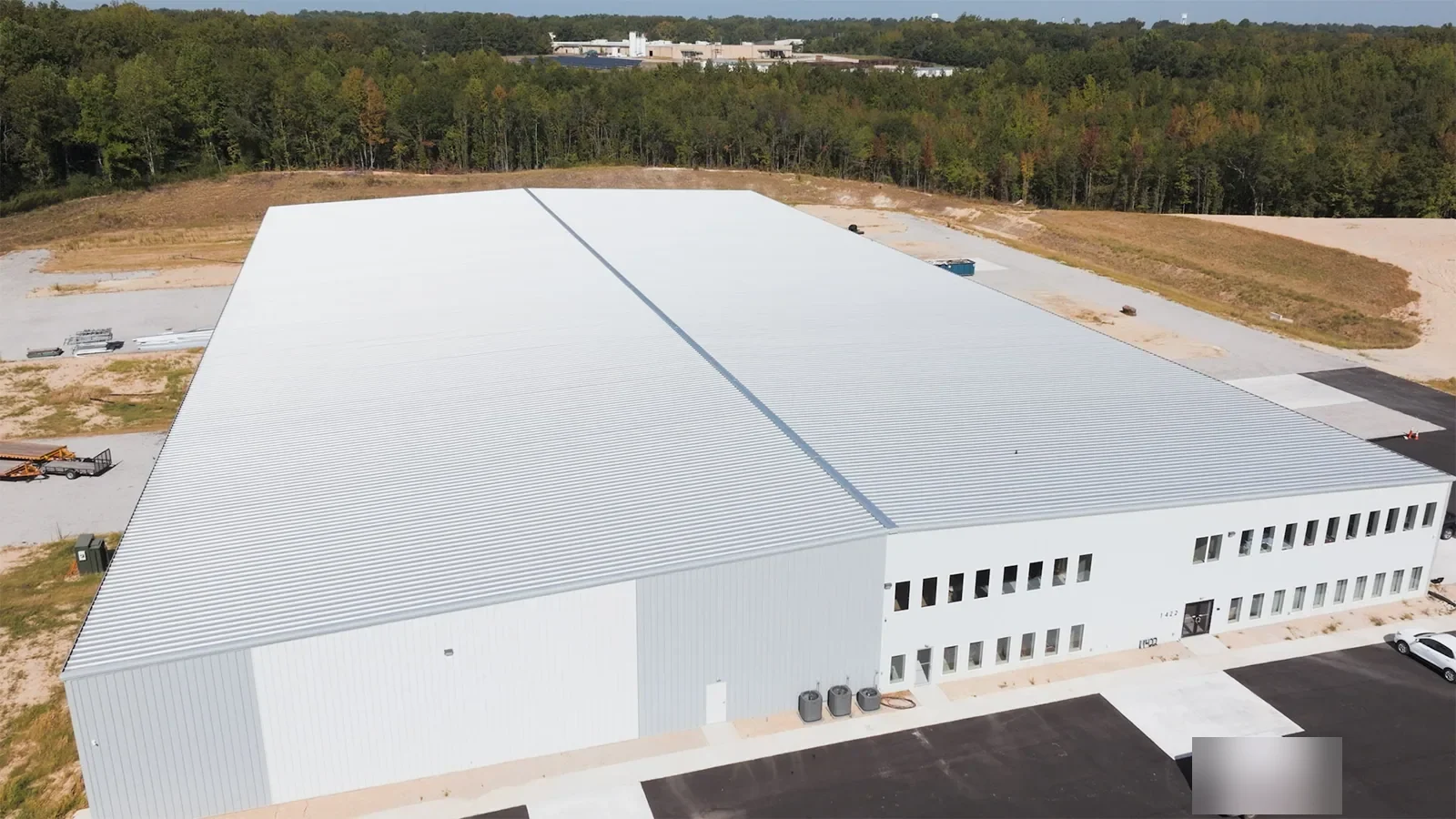
Closeout records the building and roof zone, installed materials, seam or flashing checks, photographs allowed by the facility, test locations, approvals, and unresolved conditions. We note which areas were not reached and which access or escort limits applied. The facility receives a clear status for each work area, including temporary protection, permanent repair, and items awaiting another trade. A condition report can preserve those details for the next maintenance or contract review.
Fort Ben is a Lawrence redevelopment district at the former Fort Benjamin Harrison post and city center. The Guard lists the Lawrence Readiness Center and Armory in Lawrence; the facility contact identifies the building and work area in the authorization. For several buildings, each access plan, assembly, and repair record remains specific to that property.
Send the building identifier, roof plan, leak history, contract criteria, access contact, escort process, approved work window, and required closeout format. We will return a defined review and identify the next decision before mobilization. If water is entering outside the planned work period, emergency stabilization can be coordinated through the facility's authorized contact and documented separately from permanent repair.
Talk to Our Roofing Team
Call 555-555-5555 or request a roof assessment. Tell us the address, the roof type if you know it and where water or damage is showing. We work across Fishers, Carmel, Noblesville, Westfield, Zionsville and the surrounding communities.
Frequently Asked Questions
Can you work at a military facility without a full shutdown?
Yes, when the facility authorizes the access window and identifies areas that must remain operational. We coordinate escort, staging, noise, and a secure daily stopping point with the site contact before opening a roof section.
What should a general contractor provide before mobilization?
Provide the contract criteria, roof drawings, approved work area, badging and escort process, tool or vehicle requirements, mission schedule, and closeout format. We identify the roofing scope and any testing or trade handoff that needs approval.
Does the Lawrence National Guard Armory's roof need a specific repair?
The repair follows the actual assembly and condition at the facility. The Guard identifies the building and access process; we inspect authorized roof sections, record the verified details, and present a boundary for review.
How do you handle UFC roofing requirements?
We review the project documents to identify the applicable UFC criteria, edition, submittals, materials, testing, and closeout requirements. The contract and design authority govern the specific system and acceptance process for that job.
What happens if a test shows more damage than expected?
We secure the test location, document the exposed layers, and present the added condition through the contract's approval process. Work remains within the authorized boundary until the facility and contracting team release the next step.
Related Roofing Work
Fishers, IN
Coordinate a Controlled Roof Review
Share the building identifier, roof plan, contract criteria, leak history, access contact, escort process, and work window. We will define the review scope and next approval point.