Service Areas
Fort Ben / Lawrence Village, Lawrence
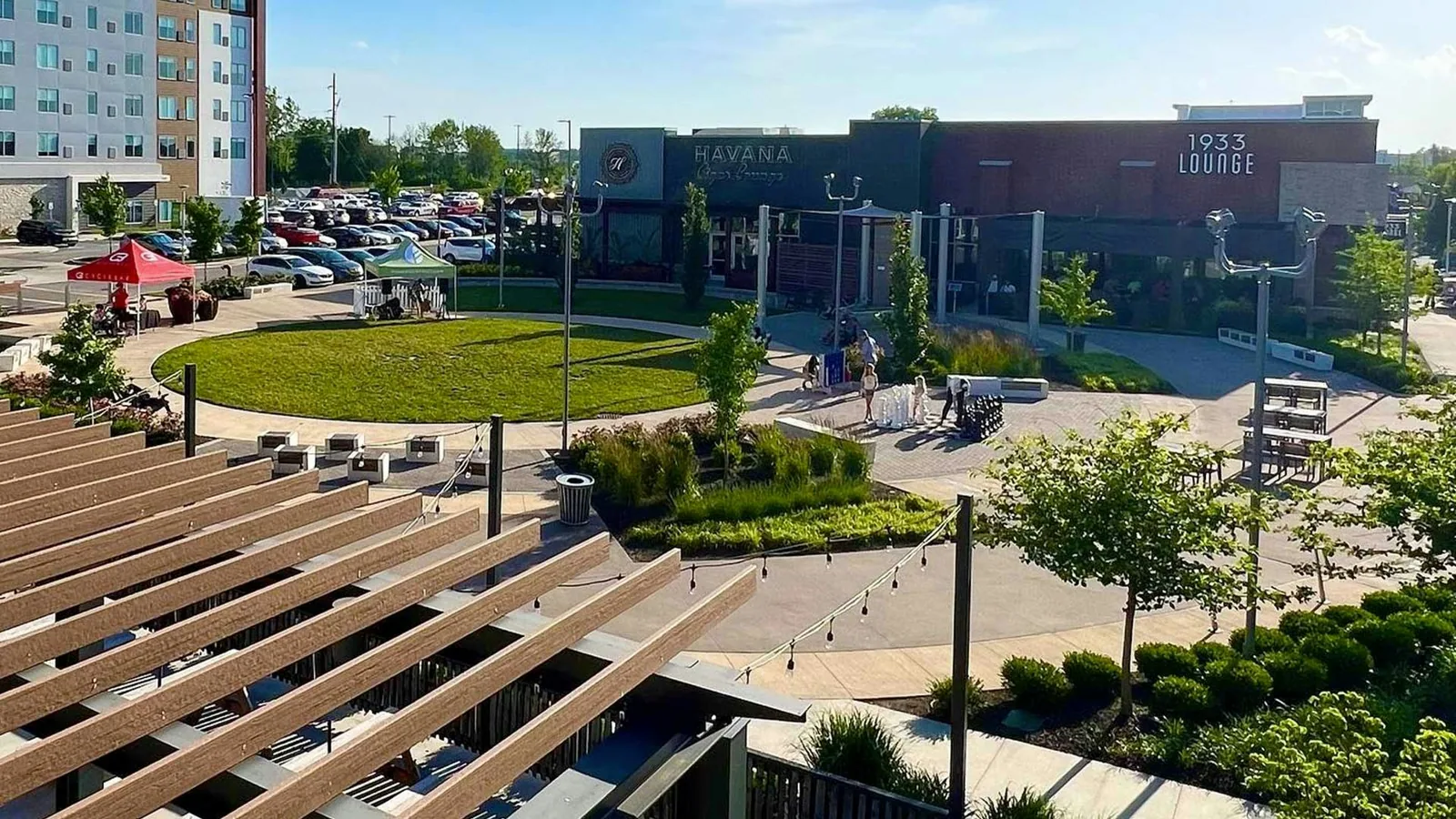
A roof repair in a redevelopment district needs a clear boundary between the verified defect and the work still awaiting review. In Fort Ben / Lawrence Village, we inspect the roof section above the reported condition, trace nearby drainage and flashing, and plan access with the property contact. Fort Ben is a redevelopment district that incorporates the former Fort Benjamin Harrison post and city center. The 56th Street corridor is planned for mixed-use retail and residential development in the Fort Ben neighborhood. The broader Fort Harrison area also includes the former post, a state park, and continuing redevelopment. The district includes several kinds of public and commercial surroundings, so access and work sequencing are confirmed at each property. An inspection verifies the actual assembly before we recommend a scope.
What should the roof record make clear?
We start at the interior report and look upward through the roof details that may connect to it. Seams, drains, curbs, wall transitions, parapets, and perimeter metal can each affect the water path. Photographs should show the suspected failure alongside enough surrounding roof to establish the repair limit. Notes should distinguish a visible opening from a likely route and state when access or weather prevented confirmation.
Commercial buildings in the district may have different roof assemblies and repair histories. We identify the installed membrane or metal, layers, insulation, attachment, and prior repairs. If moisture below the surface could change the scope, infrared mapping or a selective core can answer the specific test question. We explain the location, method, and limits before testing. A condition report helps an owner compare field observations with maintenance records and redevelopment work already planned for the property.
How should crews coordinate around redevelopment work?
Redevelopment can bring construction access, tenant activity, public paths, and other trades into the same work area. The site contact confirms the roof route, staging location, delivery hours, security steps, and any ground protection needed. The owner or contractor confirms the current building use, site access, and work-zone limits before materials arrive.
New mechanical curbs, conduit, or facade work should be sequenced before the membrane is closed. A roofer can complete a watertight detail only after the responsible trades finish the penetration or wall interface. The schedule records handoffs and the person who checks the final transition. For an occupied building, phased reroofing can limit the area open at one time. When weather forces a stop, the daily report states what is dried in and which item needs follow-up before work resumes.
Service Areas
What should be checked after rain or a thaw?
Water can remain at low points, pass under a loose lap, or reach the interior from a roof-wall transition. We check drains, scuppers, overflow paths, and the membrane route between them. A pond may reflect debris, compressed insulation, a settled deck, or a drain set too high relative to the finished roof. The inspection documents where and how long water remains rather than treating all standing water as the same defect.
For properties in this market, winter thaw and refreeze can make drain condition and flashing continuity worth checking during follow-up. Indianapolis winter thaw and refreeze make drain condition and flashing continuity useful follow-up checks at Fort Ben properties. Drain and scupper work can correct a failed outlet or component, but persistent ponding may require slope or substrate evaluation. If water has reached insulation or deck, a surface patch alone may leave the original condition in place.
Service Areas
When is a repair boundary too narrow?
A repair should be limited to a verified defect only when the surrounding assembly can support a stable tie-in. We prepare the membrane or metal, inspect the substrate, and install compatible flashing or patch material. If removal shows wet insulation or deteriorated decking, the crew documents the condition and pauses for the owner’s decision. We identify what the original scope covered and what the new evidence adds.
Repeated leaks at separated details, widespread seam failures, or moisture in multiple roof sections can support a broader replacement review. Recover and coating options require checks for attachment, moisture, compatibility, drainage, and applicable requirements. A targeted repair and a replacement scope should be compared using the same report and schedule assumptions. We coordinate access with the property team and select an option that fits the verified roof assembly.
Which project details drive cost and timing?
Cost depends on the roof area, system, edge and penetration details, access, staging, insulation or deck findings, and the amount of daily dry-in. If the defect is isolated and the surrounding materials are sound, the repair may remain local. If hidden material is wet, removal and replacement can expand. The proposal should distinguish fixed work from allowances for concealed conditions and show how a finding changes the scope.
Timing depends on weather, material supply, redevelopment sequencing, work windows, and how other trades finish their interfaces. A closeout record should include the section repaired, photographs, completed flashing, temporary protection removed, and any follow-up item. Preventive maintenance can monitor those details after work. Projects in Westfield and Zionsville use the same evidence-led field process, with access and repair scope confirmed at each building.
When several owners or contractors share a redevelopment schedule, one roof condition report can reduce confusion over the repair boundary. We identify the roof section, map the route to the reported interior area, and list each detail that must be completed before the membrane closes. If a wall or mechanical contractor changes the assembly, the scope should assign who installs counterflashing or completes the final seal. We photograph the handoff condition so the roofer, general contractor, and owner can see what remains open.
Where an existing roof may be retained, the review should include moisture, attachment, substrate condition, drainage, and compatibility with any proposed recover or coating. If an overlay is rejected, the report should explain which condition failed the test. Replacement planning then accounts for removal, deck exposure, insulation, perimeter detailing, and temporary protection. For a small isolated opening, that broader analysis may be unnecessary; for repeated water entry, it can prevent an owner from funding repairs that do not correct the underlying assembly. Each recommendation should follow observed conditions at the property, not the district’s redevelopment status.
Where roof access is shared, we confirm ladder or hatch rules and who can authorize entry. If the work crosses a tenant boundary, the scope identifies which interior areas need notice or protection. These small decisions affect the sequence and should be settled before material is staged.
Where access requires coordination with a public or redevelopment contact, the work plan should include the approval window and responsible site representative. If that window changes, the crew updates the sequence and confirms which section can be made watertight before leaving. A written record keeps the next shift aligned with the approved boundary.
Talk to Our Roofing Team
Call 555-555-5555 or request a roof assessment. Tell us the address, the roof type if you know it and where water or damage is showing. We work across Fishers, Carmel, Noblesville, Westfield, Zionsville and the surrounding communities.
Frequently Asked Questions
How does Fort Ben context fit a nearby roof project?
Fort Ben helps orient the project location. We inspect the building in scope, identify its membrane, metal, insulation, drainage, and repair history, then set a roof-specific boundary.
Can roofing work be coordinated with a redevelopment contractor?
Yes. The work plan can identify staging, access, trade handoffs, penetrations, daily dry-in, and closeout responsibility. The property team confirms actual site conditions and schedule.
What if a roof opening shows wet deck or insulation?
We document the finding and pause at the agreed decision point. The owner can review the added area and cost before the crew extends beyond the approved repair boundary.
Should a recover be considered for an older assembly?
Age alone is not enough. We check moisture, attachment, system compatibility, drainage, substrate condition, and applicable requirements before recommending an overlay.
What should the final report include?
It should show the repaired section, materials, flashing, photos, temporary protection, and any condition left for follow-up. That field record supports future inspection and budget decisions.
Fishers, IN
Define the work before the district schedule shifts
Share the affected roof section, prior repair history, access plan, and any redevelopment or trade schedule. We will document the condition and recommend a scope tied to the roof evidence.