Property Types We Roof
Flex Industrial Roofing
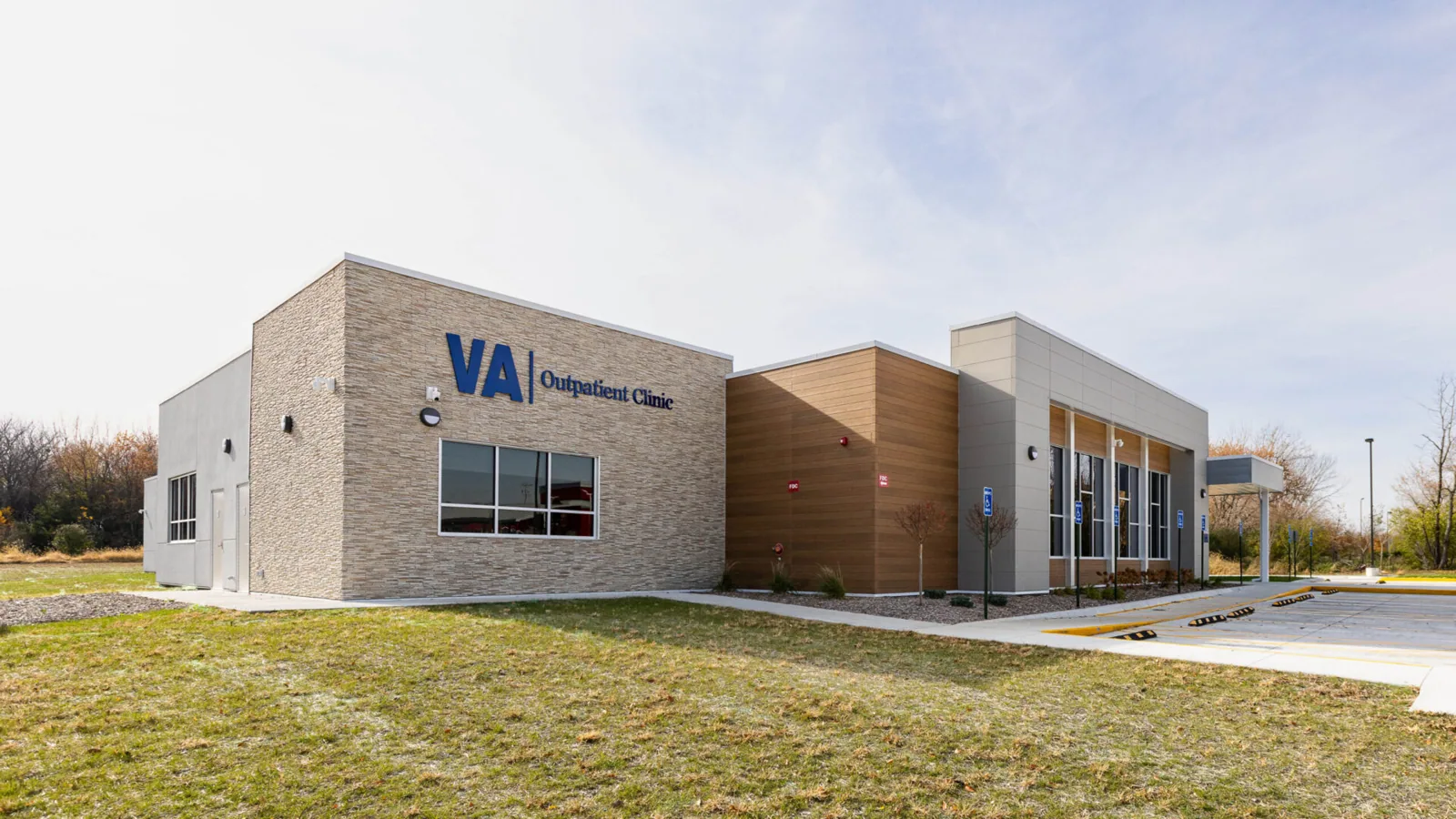
A leak at the seam between a shop bay and an office can affect two tenants and two operating schedules. We locate the roof section, identify the assembly, and record which spaces sit below the reported water. Flex-industrial properties can combine light manufacturing, storage, showroom, and office uses under one roofline. The repair plan should distinguish those areas instead of assuming that one access window or interior protection plan fits the whole building.
Fishers Tech Park is a redevelopment district, and Britton Industrial Park is a separate named industrial area. For a roofing visit in Fishers Tech Park, the property manager supplies the roof plan, tenant layout, and access rules before inspection.
Where do tenant spaces meet the roof?
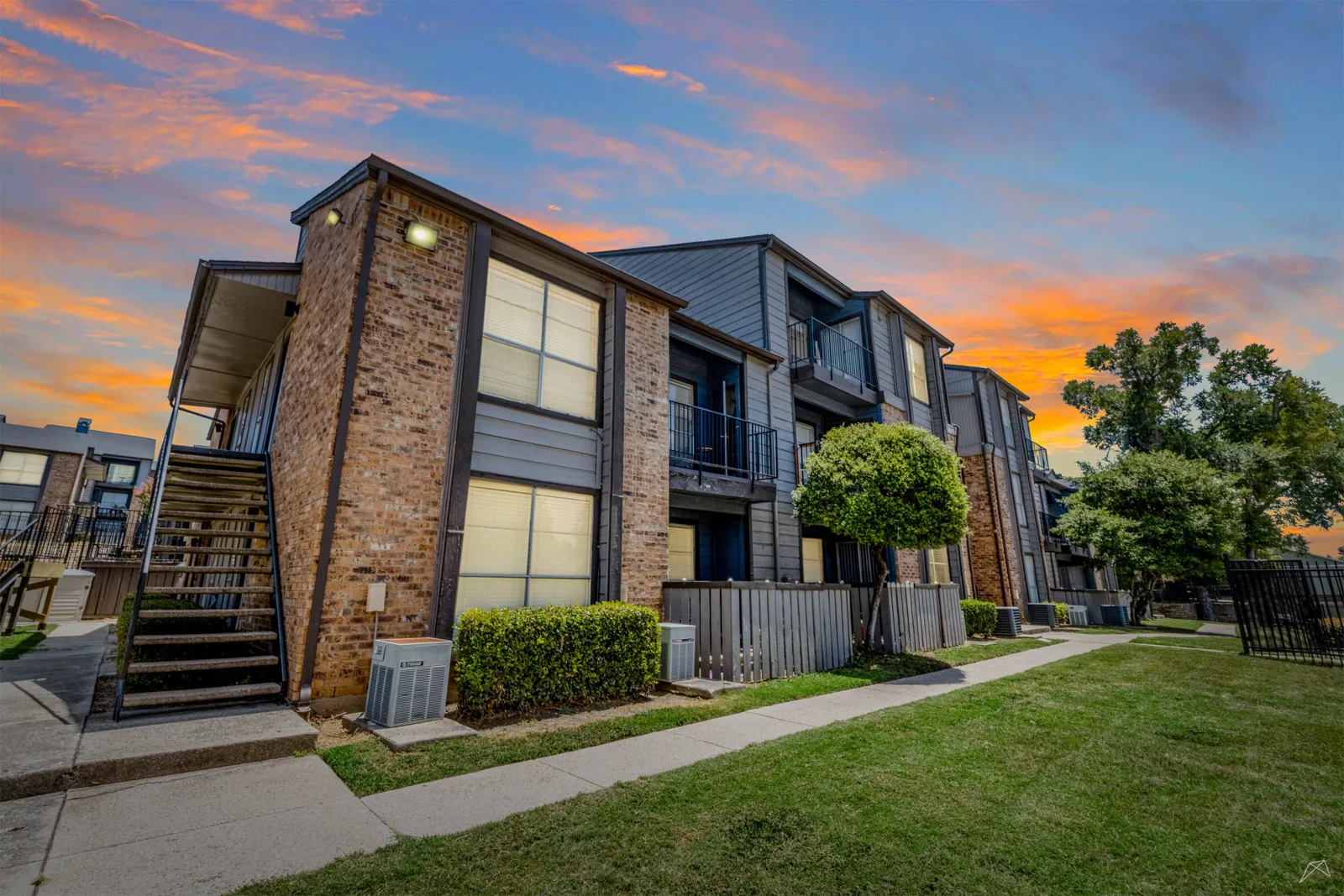
A transition between a production bay and office suite can hide a change in roof height, deck, insulation, or drainage direction. We map the seam, wall, curb, or expansion joint above the reported area and compare it with the interior layout. Tenant improvements may add exhaust, conduit, signage supports, or HVAC equipment, each with a flashing detail that needs inspection. The field record separates the observed defect from an unconfirmed tenant-side source.
We ask which tenant controls the affected space and who can authorize ceiling access. The property contact identifies common areas, work restrictions, and any equipment shutdown that another trade must manage.
A flex property may combine a roll-up door with low-slope roofing above offices or storage. We inspect perimeter transitions without interfering with door operation and note whether the reported leak is near a head, jamb, or adjacent roof edge. A penetration and flashing inspection can trace water at roof-mounted equipment or daylight openings, while a roof review for the office portion helps identify interior protection needs. For adjoining inventory, a warehouse roof review separates that zone.
Which roof system is actually installed?
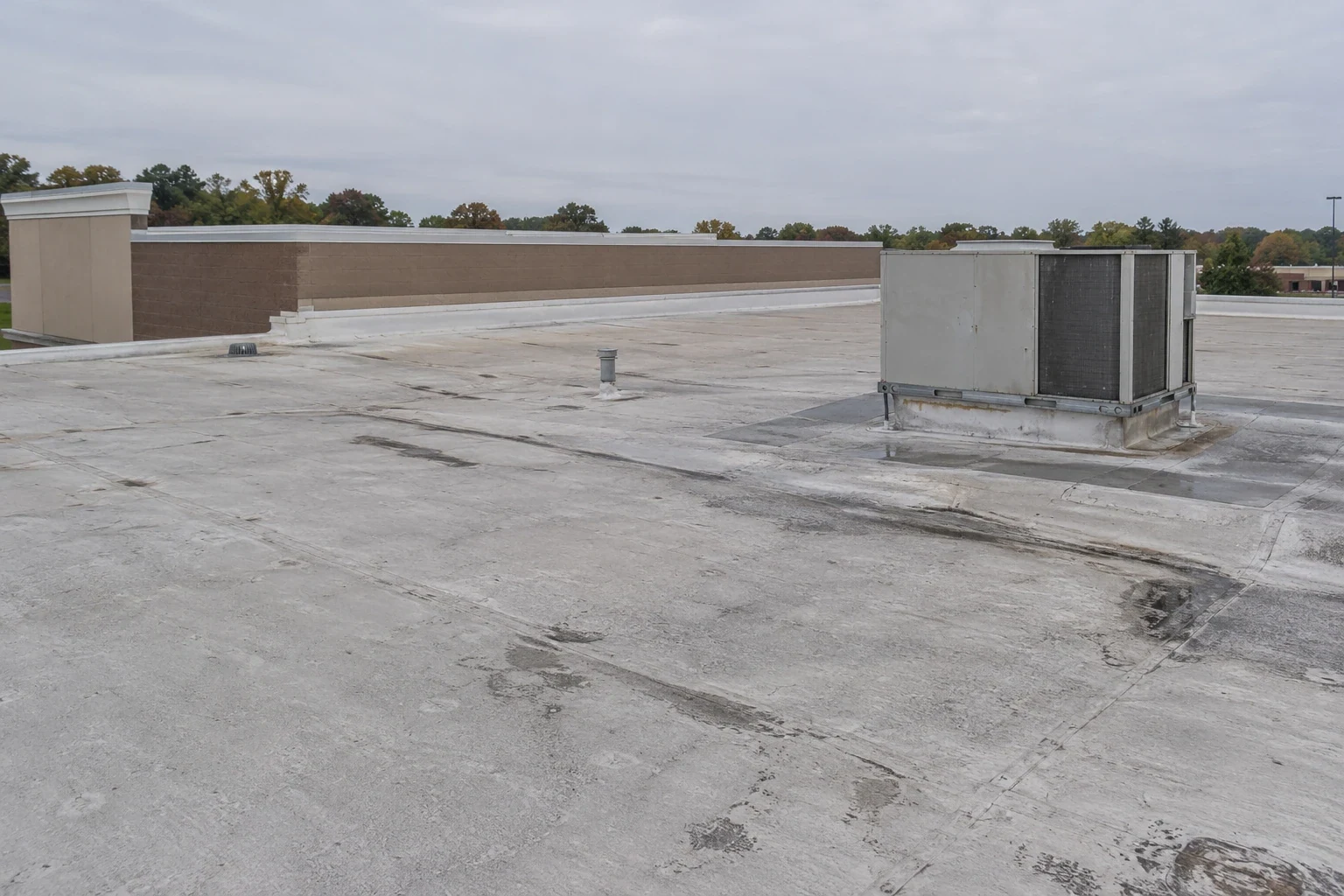
Flex buildings are defined by how space is used, not by a single roof assembly. We identify membrane, metal, built-up layers, coatings, insulation, and cover board where visible. At a seam, we check bond or weld condition, movement, prior patching, and whether the adjacent surface can receive a compatible repair. At metal panels, we inspect fasteners, laps, sealant, and changes in plane. A product choice follows the verified assembly and exposure, not the tenant category.
For a standing-seam section, a metal roof condition review looks at panel movement and attachment; for a membrane zone, we inspect laps, corners, and penetrations before selecting weld or adhesive work. Fishers District and the airport business area each have separate access patterns; we confirm the flex building's roof assembly and operating hours with its property manager.
Tenant fit-outs can add exhaust, piping, solar supports, or communications equipment. We compare those roof details with available drawings and coordinate shutdowns through the responsible mechanical or electrical contractor.
Property Types We Roof
What explains a recurring leak?
Recurring water may follow a different path each time it rains. A curb corner can release water onto the deck, where it travels toward a lower office ceiling or a wall seam. We compare interior marks, slope, drains, and prior repair photos. Testing concealed layers requires owner approval for location and restoration.
Drainage is especially important where roof sections meet at different elevations. We check the outlet, overflow, scupper, and surrounding membrane, then note whether water is trapped by debris or a change in slope. A service contractor's work near a drain may also affect the assembly. We separate a roof defect from a maintenance item or plumbing condition. A drainage route assessment gives the owner a separate record of water movement and discharge.
Indianapolis climate normals include about 25.5 inches of annual snowfall, and freeze-thaw conditions return through winter. Meltwater can collect at a low point and refreeze near an edge or outlet. We inspect those details when access is safe and note the date and surface conditions, since a winter observation may differ from a dry-season visit. If snow or ice blocks the inspection area, the report sets a return condition instead of guessing at the concealed detail.
Property Types We Roof
How can work avoid disrupting production?
Before mobilization, we divide the work into roof sections that match tenant operations and interior protection needs. The property manager identifies receiving hours, forklift paths, customer entrances, fire lanes, equipment that must remain live, and any quiet period. We confirm lift placement and material routes, then identify each tenant contact for schedule changes.
A repair above a shop may require dust controls and an equipment exclusion zone, while work over an office may need ceiling protection and notice. If the roof opening crosses both, we coordinate the sequence with both occupants before removing material. The daily stopping point matters: exposed edges need a weather-ready dry-in, and the owner should know which area remains under temporary protection. An occupied-building work plan can set those handoffs before a larger renewal begins.
Weather affects installation, lift access, and tie-in time. We set a work window, define the rain response, and document temporary cover or a required return visit. Britton Industrial Park has its own gate and staging details, just as each Fishers flex property establishes its own circulation plan.
When should repairs give way to a renewal review?
One failed penetration or isolated seam can often be repaired if surrounding material is sound and the tie-in can be made compatible. We state the repair area, preparation, materials, access needs, and any visible deck condition. If removal exposes wet insulation, corrosion, or weak attachment, the crew secures the opening and provides photographs and quantities before asking to extend the work. The approved boundary stays clear through pricing and execution.
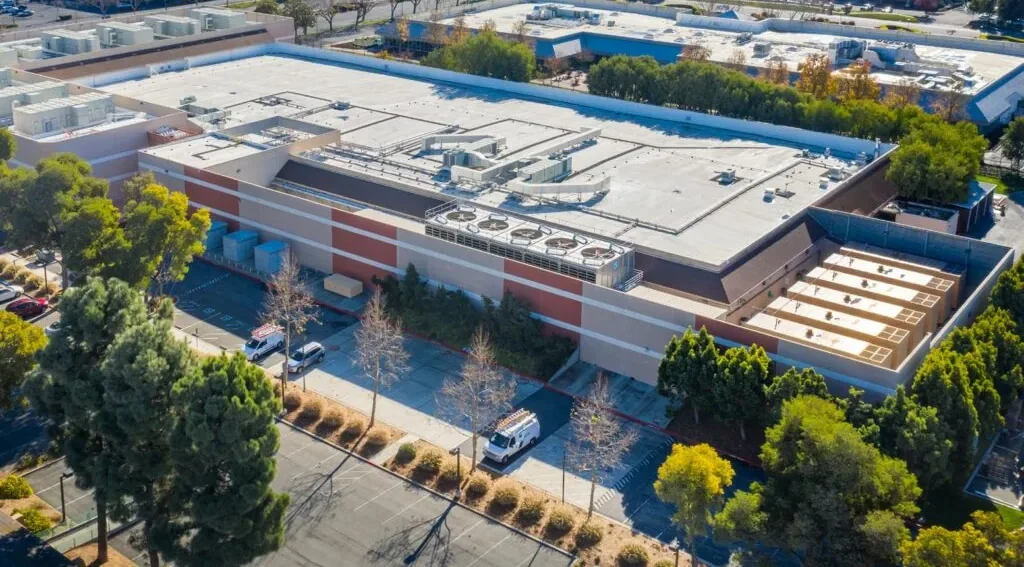
Several leak locations, broad moisture, repeated patches, or deterioration across a roof section may make a recover or replacement comparison useful. A recover needs a dry, stable, compatible retained assembly and acceptable heights at drains, curbs, doors, and perimeters. Replacement may add tear-off, insulation, deck work, new flashing, and tenant-by-tenant dry-in. A replacement estimate should distinguish separate structures and tenant zones when the property has more than one roof section.
Closeout records the verified system, repaired details, photos, test results, temporary protection, and unresolved items. The report should be usable by a property manager who oversees future fit-outs, not just the person who called about today's leak. Send the roof plan, tenant layout, leak dates, equipment list, access window, and construction schedule. We will inspect the approved sections and explain which finding supports the next scope decision.
Talk to Our Roofing Team
Call 555-555-5555 or request a roof assessment. Tell us the address, the roof type if you know it and where water or damage is showing. We work across Fishers, Carmel, Noblesville, Westfield, Zionsville and the surrounding communities.
Frequently Asked Questions
Can a repair be scheduled around several tenants?
The property manager identifies tenant hours, affected rooms, loading access, and any work restrictions. We divide the roof into sections and coordinate notices, protection, and daily dry-in with the authorized contacts.
Does a flex building always have a membrane roof?
No. We identify the installed assembly in the field, which may include metal panels, membrane, built-up layers, coatings, or transitions between systems. Repair materials follow that verified condition.
What if the leak crosses an office and shop area?
We map each interior report to the roof plan and inspect the transition above it. The scope names separate protection needs and records whether the water path is confirmed or still requires testing.
Will new tenant equipment affect the roof?
A new curb, exhaust, conduit, or support creates a roof detail that needs compatible flashing and attachment. We coordinate with the trade responsible for the equipment before repairing around it.
When does a flex property need replacement instead of another patch?
We compare recurrence, moisture, attachment, deck, drainage, and repair history. A broader option is evaluated when the roof evidence shows failures beyond a durable local tie-in.
Fishers, IN
Review a flex-industrial roof section
Share the roof plan, tenant layout, leak history, equipment list, access window, and construction schedule. We will identify the affected assembly and define a practical repair boundary.