Commercial Roofing Services
Commercial Skylight and Penetration Flashing
A ceiling mark below a skylight can come from its curb, roof flashing, frame, or condensation. In Fishers, IN, we inspect the opening and surrounding roof rather than sealing the nearest visible joint by default. The review checks curb height, membrane tie-in, fasteners, sealant, frame condition, and the interior water path. We identify which component failed, what remains concealed, and whether a roofing repair or another trade needs to complete the next step.
Which part of the opening failed?
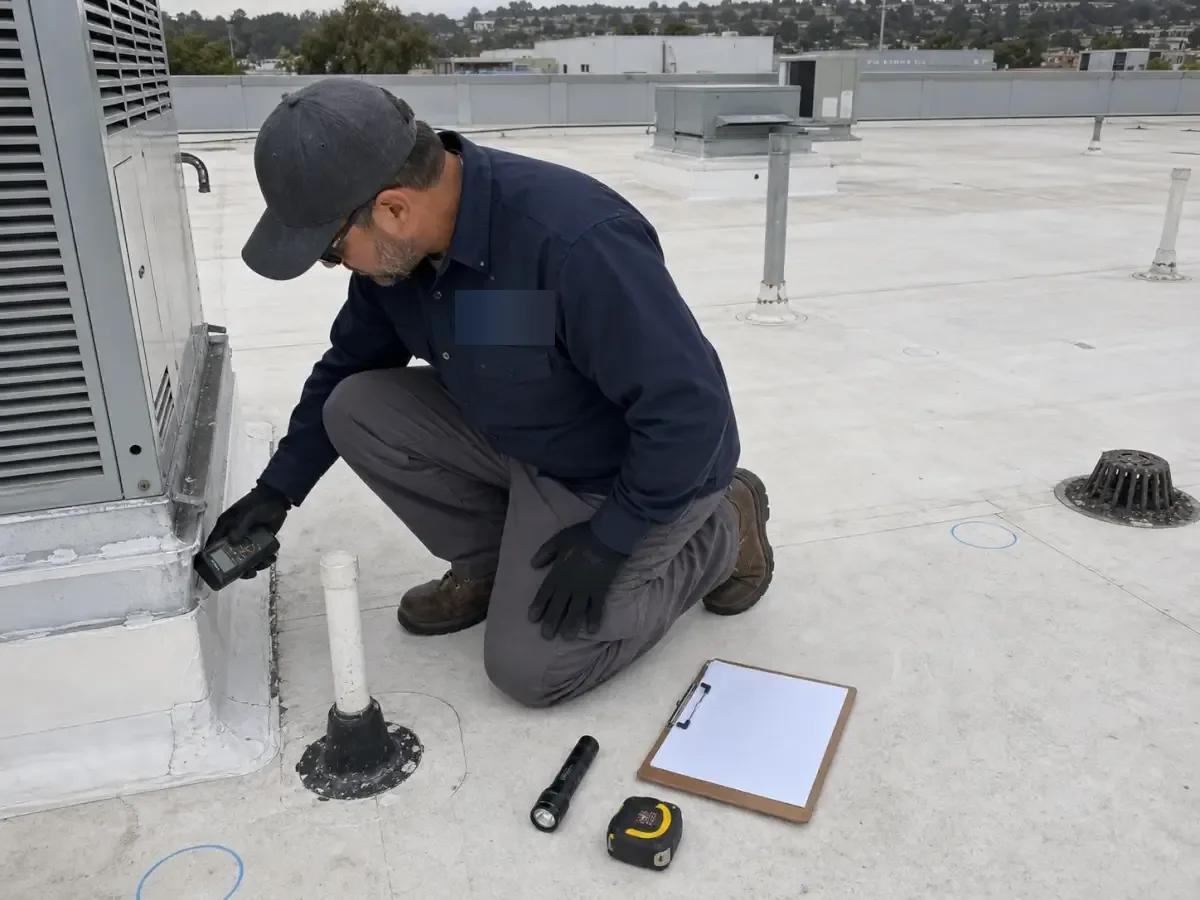
At a skylight, we inspect the lens or glazing, frame, curb corners, curb-to-membrane transition, counterflashing, and nearby seams. A cracked frame or failed glazing seal is different from a membrane opening at the curb. A roof penetration can also leak where flashing meets a pipe, conduit, exhaust fan, or mechanical curb. We photograph the connection and compare interior reports with slope and runoff before setting the repair boundary. If water follows a hidden path, a leak investigation can trace the reported area to the roof detail.
Sealant is not a substitute for a sound flashing assembly. We inspect whether it is bonded to clean, compatible surfaces and whether the joint is moving beyond what the seal can accommodate. Where old material obscures the connection, we remove only within an approved area and check the underlying metal and membrane. The flashing repair assessment identifies the failed transition and whether the repair needs a new flashing piece, a curb rebuild, or a broader roof tie-in.
Indianapolis climate normals include winter snowfall and recurring freeze-thaw periods. Meltwater can collect at a curb, then refreeze at a corner or low transition. We check for ponding, split sealant, lifted flashing, and interior staining, while distinguishing roof water entry from condensation on a cold frame. The drainage check can determine whether water around an opening is part of a wider low area or a local flashing failure.
How is the curb tied into the roof?
A curb creates the raised perimeter that supports many skylights and rooftop units. Its height and condition affect the membrane turn-up, counterflashing, insulation transition, and clearance for future maintenance. We check all corners and sides, including the area hidden behind nearby equipment or screens. A low or deteriorated curb may require rebuilding before a new flashing detail can be installed. The owner receives a diagram or labeled photographs showing which faces were reached and which need a separate access plan.
Penetrations have different movement and fastening needs. A pipe boot, metal counterflashing, and flexible membrane target do not use the same method. We identify the roof system, opening size, substrate, and material compatibility before choosing a detail. Where a conduit or pipe is being moved, the responsible trade has to complete its work before roofing can restore the opening. A rooftop curb and support review can set that interface before equipment or conduit work begins.
Near Fishers Life Sciences and Innovation Park, facility schedules may affect roof access and interior coordination. The park includes suppliers, development, and manufacturing operations. The facility contact sets building entry, work windows, room access, and operational coordination before we plan the roof opening. If the opening is above a controlled or occupied area, the sequence protects the interior and states which roof tests require coordination before work starts. We also consider how water can move along the curb or deck before appearing inside. A damp frame, failed glazing seal, and open membrane corner can produce similar reports but require different trades. Interior humidity and temperature can contribute to condensation, so we compare the timing of droplets with rainfall and examine both frame and roof-side connections before assigning a cause.
Commercial Roofing Services
What determines the repair size?
A single failed boot may allow a local repair when the surrounding membrane is sound and the penetration remains stable. A damaged curb, wet insulation, soft deck, or a failed sheet beyond the opening can widen the work. We mark the accessible boundary and identify what test or removal would resolve each concealed condition. The proposal separates roofing work from glazing, framing, electrical, or mechanical items assigned to another trade.
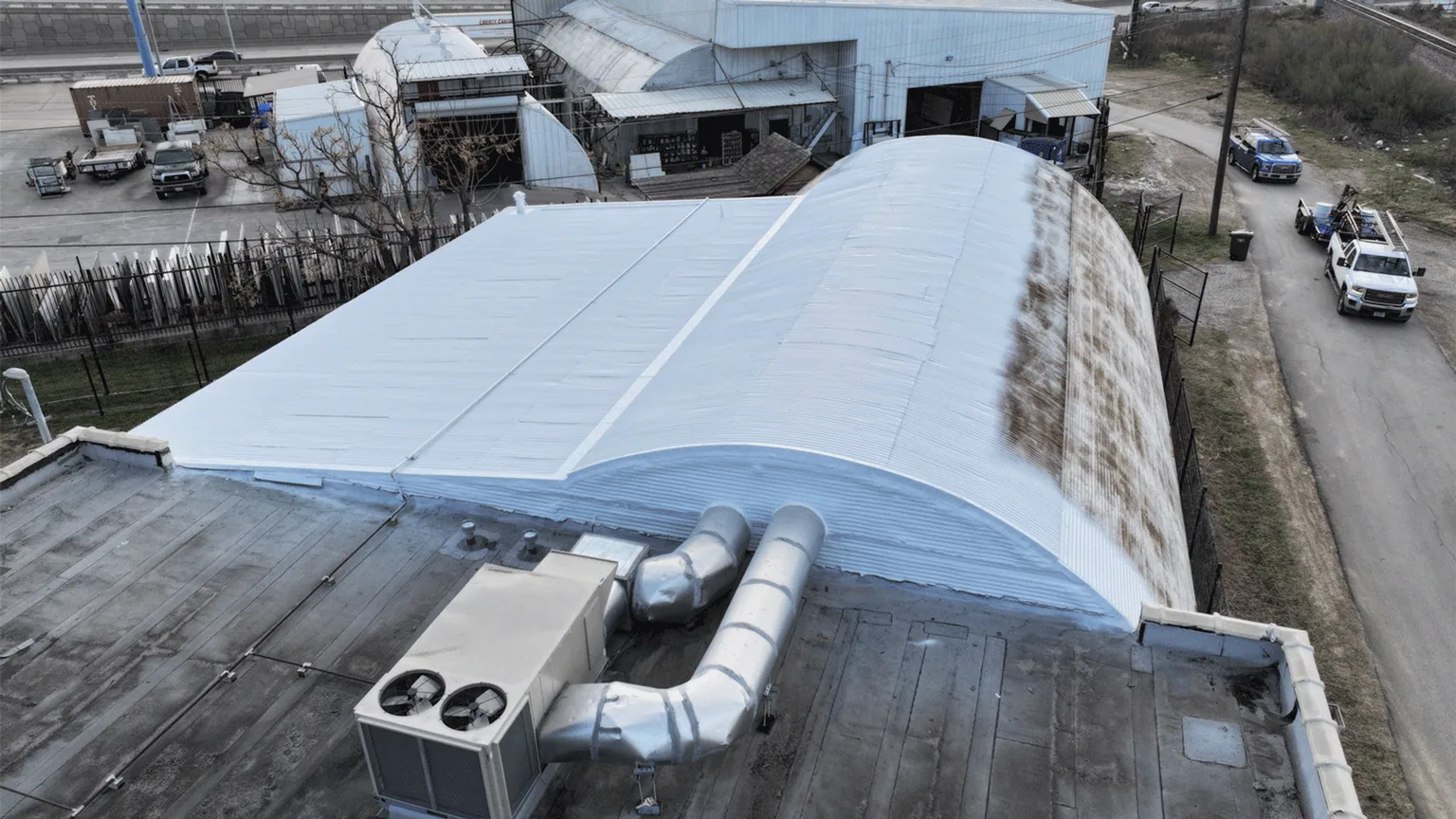
Cost and timing depend on roof access, opening height, curb construction, membrane type, interior protection, material compatibility, and whether a skylight can remain in place. Replacing a unit may require different flashing and sequencing than rebuilding a curb around an existing frame. We identify crane or lift access, occupied-room restrictions, and any temporary protection before setting the work window. The occupied-building sequence can coordinate the work zone and interior controls when the opening sits above active space.
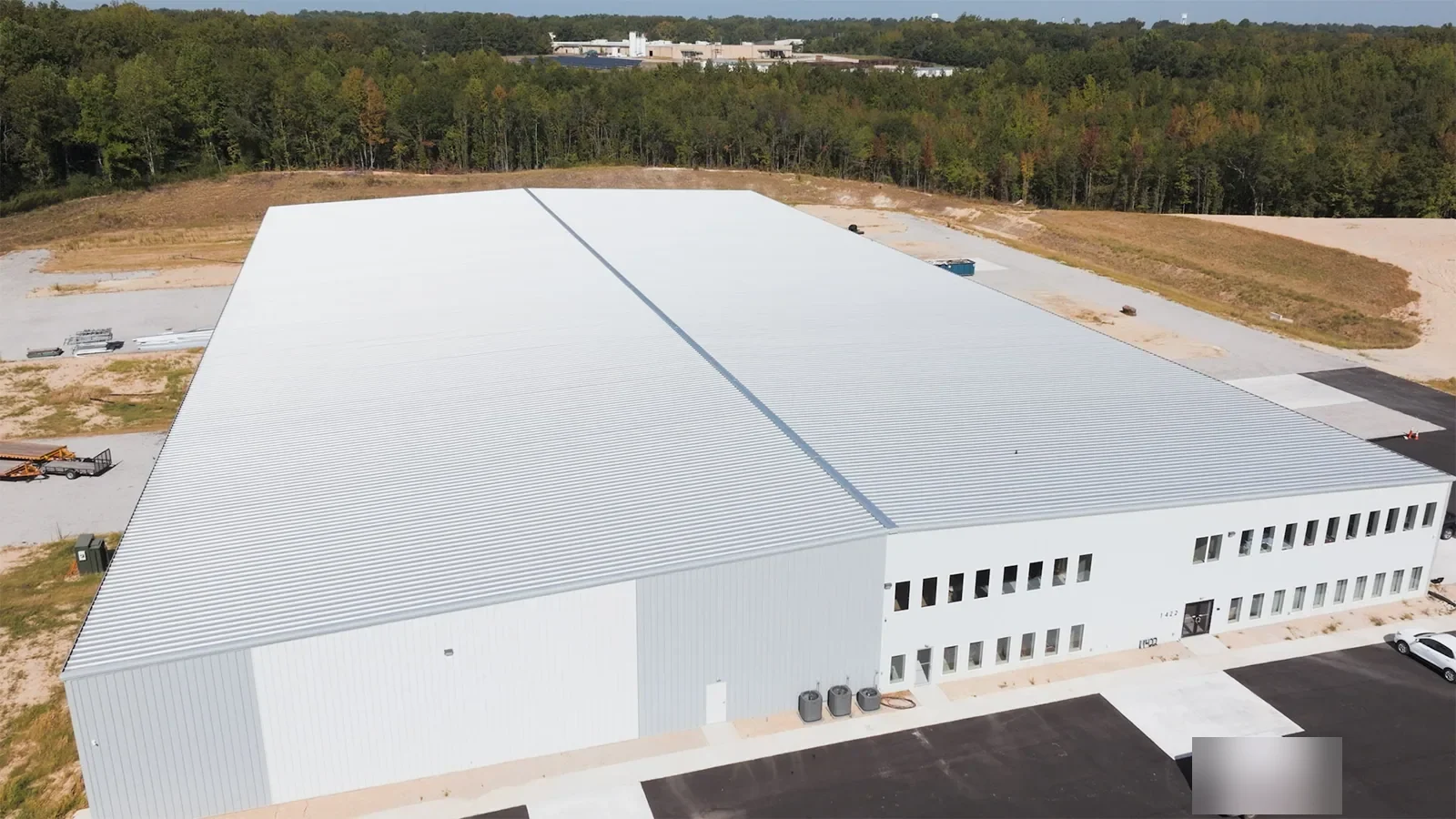
At Nickel Plate District properties, downtown mixed uses can mean different access windows across nearby buildings. We confirm each site’s roof entry, delivery area, and interior contact rather than assuming a shared rule. Along the Allisonville Road commercial corridor, the city identifies a business center between 106th and 126th Streets; building-level access still has to be arranged with the specific property contact. If several openings are involved, every skylight and penetration receives a location label, component description, and repair status. A roof repair scope can group compatible details while keeping separate boundaries for openings that need different work.
Commercial Roofing Services
How is flashing restored?
We prepare sound substrate, remove failed material within the agreed boundary, and install flashing compatible with the roof assembly and opening. At a curb, corners and uphill transitions need particular attention because water can collect where the curb meets the membrane. We secure the tie-in without blocking drainage or covering joints that need movement. If the frame or glazing is the failed component, we identify the trade responsible before roofing work closes the surrounding detail.
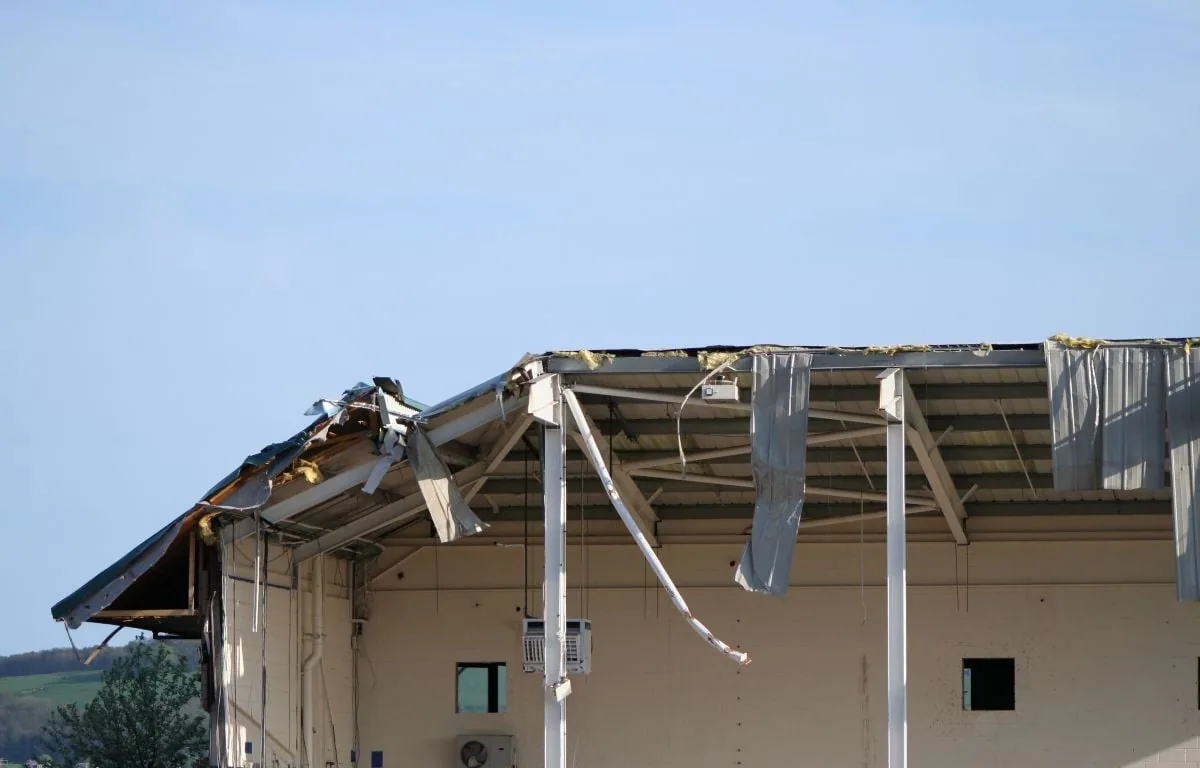
Temporary protection stays separate from permanent repair. If an active opening cannot be closed on the first visit because weather, access, or another trade limits the work, the field record states what remains exposed and when a return is required. An emergency response can protect a leaking opening until conditions allow a compatible final tie-in. We photograph the temporary measure and explain how it will be removed or incorporated into the completed repair.
Closeout includes photographs, materials, curb or penetration faces repaired, test locations, and any outstanding work by others. We check adjacent seams and the nearby runoff route before leaving. A roof condition report can retain the opening locations and follow-up needs. For a broader assessment, the roof inspection maps other seams, drains, transitions, and equipment connections that may influence the next repair decision.
Frequently Asked Questions
Can condensation look like a skylight leak?
Yes. We compare the timing and location with frame temperature, glazing, curb flashing, and roof conditions. If the evidence points to condensation, we identify the next building-side check.
Can we repair the skylight curb while keeping a serviceable unit in place?
Often, when the frame, glazing, and curb remain serviceable. We inspect each component and separate roofing repairs from any window or frame work.
What if the curb is too low for new flashing?
We measure the available height and identify whether rebuilding the curb or changing the unit is needed. The proposal sets the new membrane and counterflashing transition.
How do you handle a leak over an occupied room?
We coordinate interior protection, access, and any test opening with the facility contact. Temporary protection is recorded separately if weather prevents permanent work.
What details should the repair report include?
Expect the opening location, curb or penetration components inspected, materials used, photographs, test limits, and any work assigned to another trade.
Related Roofing Work
Fishers, IN
Review a roof opening
Send roof plans, interior leak locations, skylight or penetration details, access limits, and any other-trade schedule. We will inspect the curb and membrane tie-in and define the repair boundary.