Property Types We Roof
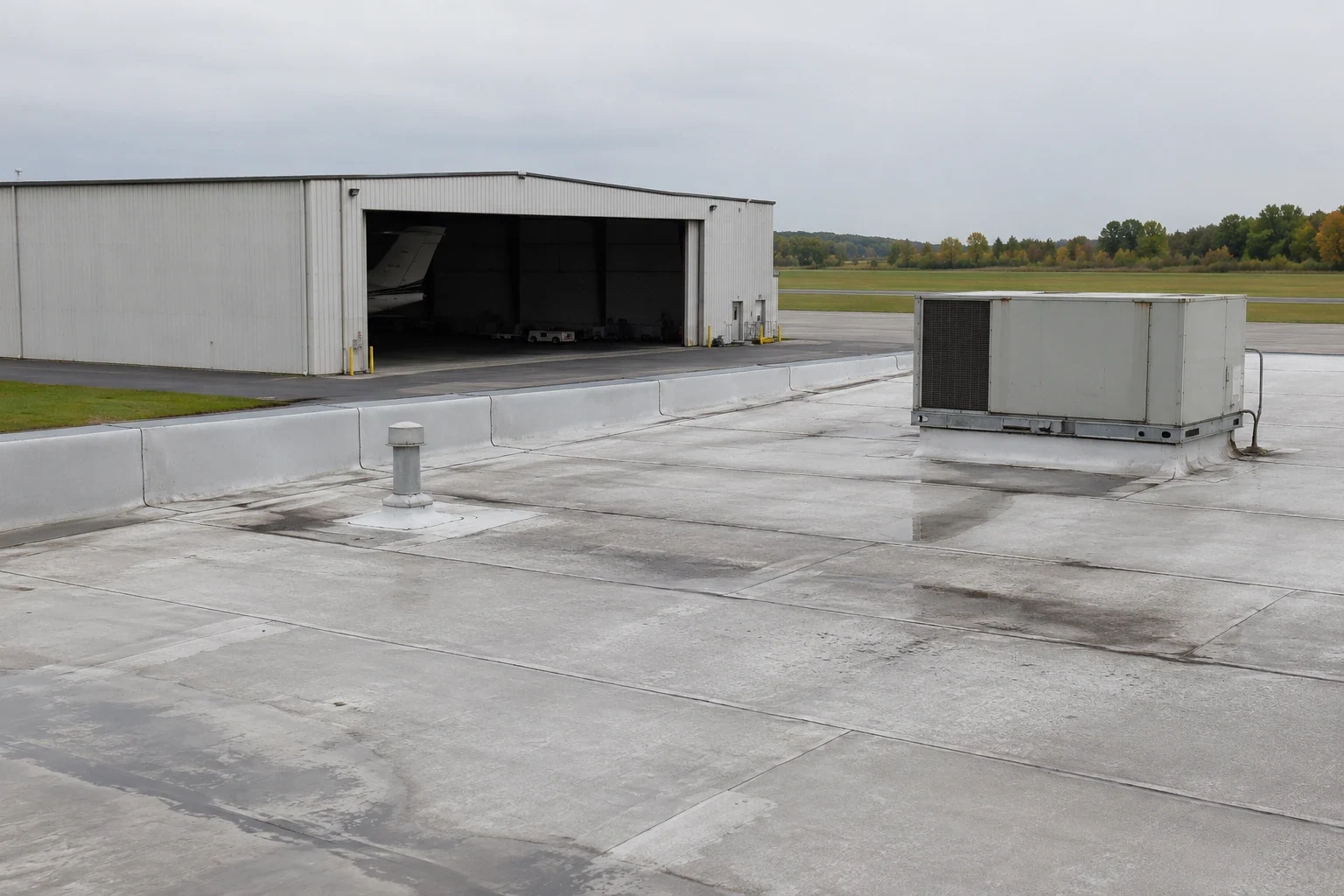
Grocery Store Roofing
A roof leak near refrigeration can affect inventory before water reaches a customer area. We identify the operating zone, then inspect the roof section above and around its equipment. Indianapolis normals show winter snow, recurring freeze-thaw, and annual precipitation that can expose blocked drains or open details on Fishers roofs. The repair boundary should show what protects the store now and what needs more testing. Fishers' commercial core follows I-69 and State Road 37, and the city reported 137 commercial building permits in 2024. We verify each store's assembly, service records, and access route before recommending repair or capital work.
Where does water enter the store?
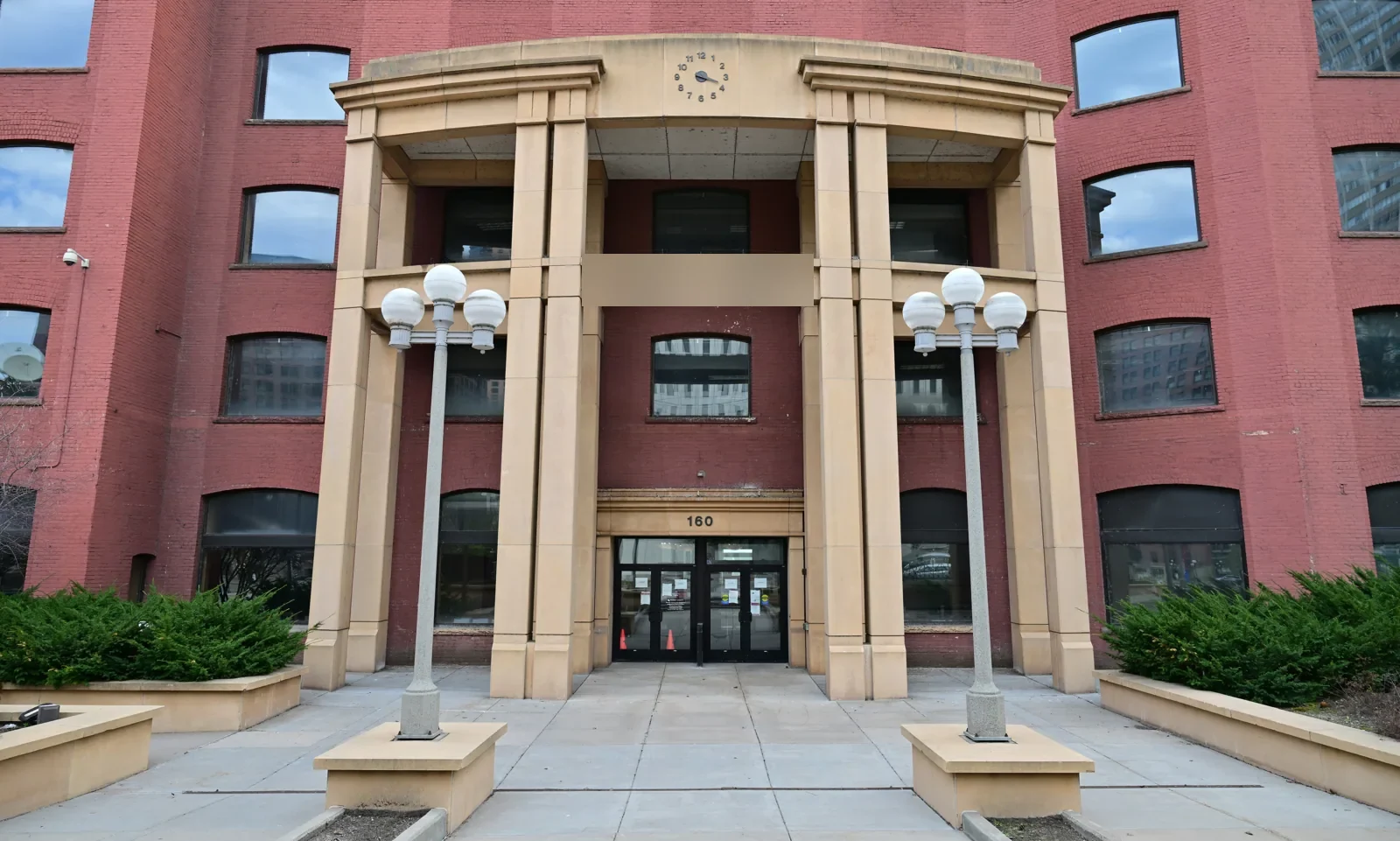
A grocery ceiling mark can trace back to another part of its roof section. We compare the location and timing with drains, seams, wall transitions, refrigeration lines, and equipment curbs. The inspection records what is visible and marks any concealed route that needs testing. Store staff can note whether water appeared during rain, thaw, or after equipment service. A leak investigation identifies the immediate dry-in and the permanent repair boundary. We keep roof work distinct from refrigeration diagnosis and coordinate with that service vendor when equipment behavior needs confirmation.
A store's loading and receiving pattern can be as important as its opening hours. We coordinate deliveries, waste handling, lift access, and any temporary parking limits before bringing materials onsite. The manager identifies routes used by suppliers and any door that must remain available. If a storm interrupts the shift, the scope should show how the open area will be protected and who confirms the interior safeguards. These steps belong in the work plan, not as a change made after the roof is opened. A written boundary helps the store and general contractor know exactly what is complete at each phase.
How should cold areas be protected?
A grocery store has temperature-sensitive spaces and equipment that should remain part of the access plan. The store contact identifies stock rooms, refrigeration equipment, receiving paths, and electrical areas that need protection. We set the roof work zone and interior safeguards with those operations in view. If an opening is discovered during tear-off, we secure it and request approval before extending the scope. A cold-storage roof review addresses moisture-sensitive service environments, but this building's roof assembly and operation determine its scope. The report notes which interior areas were protected and what follow-up is required.
A maintenance visit can focus on the roof details that change after service activity. We inspect the membrane around recently replaced equipment, check seams and flashing, and note loose debris or blocked outlets. If a repair was made during an emergency call, we verify whether temporary material was replaced with a permanent tie-in. The record identifies anything that remains unconfirmed and schedules another visit when access is safe. A restaurant roof assessment addresses related exhaust and food-service demands, while grocery facilities also need coordination with refrigerated storage and receiving. We keep the finding tied to the actual building and roof section.
Property Types We Roof
What can winter drainage tell the owner?
Indianapolis normal monthly snowfall is concentrated in January, February, and December. During those thaw cycles, water can expose blocked outlets, low points, or flashing that has separated near a drain. We check primary and overflow routes when the roof is safe to access, then identify sections that need a post-thaw return. If a drain is obstructed by debris, that is recorded separately from a slope or membrane concern. A drainage review can map the route and document accessible corrections. We do not mark an ice-covered zone as clear.

Property Types We Roof
What should happen after equipment work?
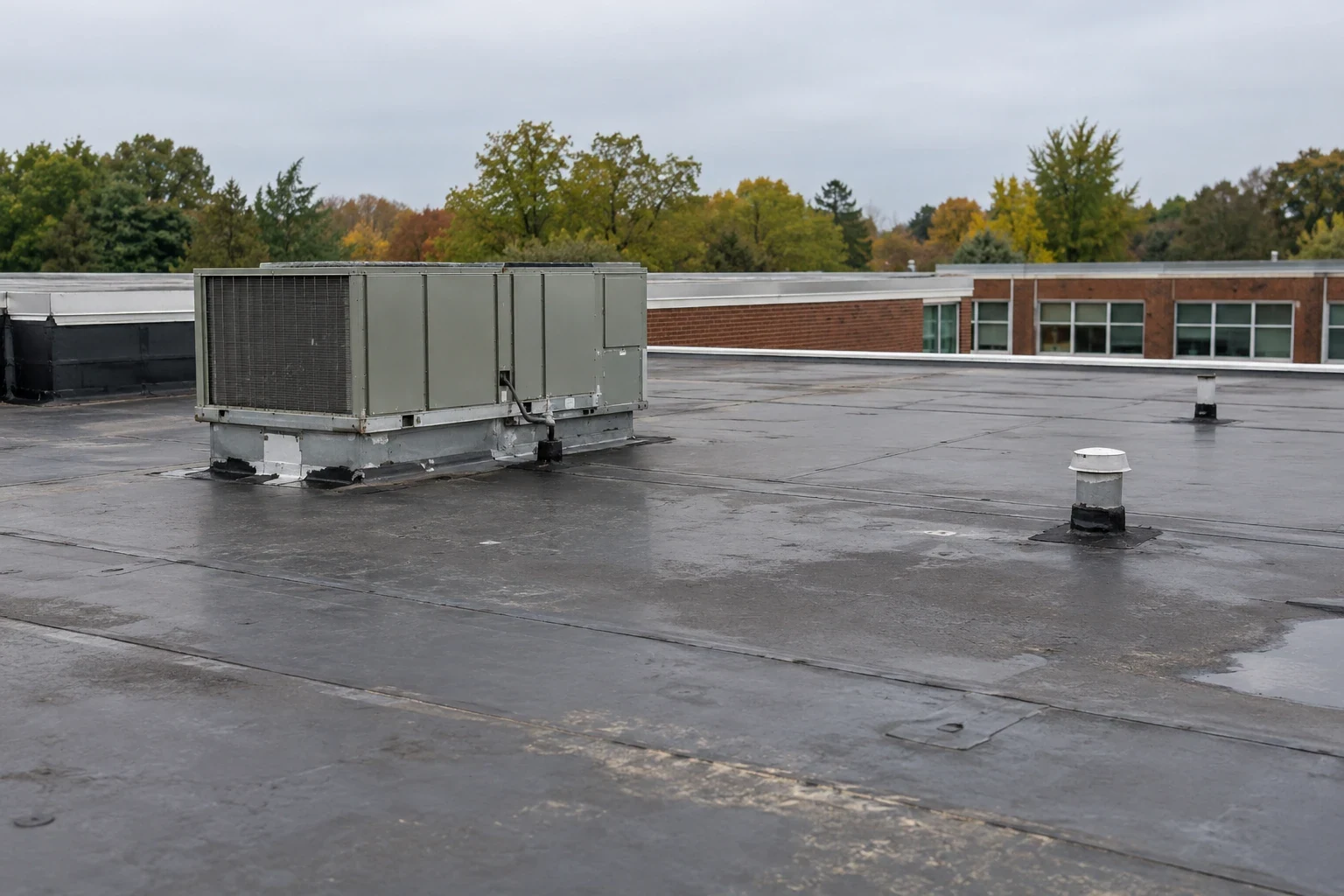
Refrigeration, exhaust, and HVAC service can disturb nearby flashing. We inspect curb corners, membrane, supports, and seams after the vendor finishes. The work record should state who restored the roof and whether the detail received a follow-up check. If equipment is being replaced, we coordinate curb dimensions and roof tie-in before the opening is made. A curb and support scope makes that interface visible to the general contractor and store facilities contact. Photographs help connect a later leak report with the actual service date and roof location.
When a ceiling report arrives, store staff can help narrow the investigation without diagnosing the roof. Note the time, location, weather, whether the area is near a cooler or fan, and any recent contractor visit. We compare those details with roof observations and identify what can be confirmed. If the suspected point is concealed, we outline a test opening and how the roof will be restored before asking for approval. This record gives the owner a factual basis for repair. It also helps separate a roof leak from a plumbing or equipment issue handled by another trade.
How should repair and replacement be compared?
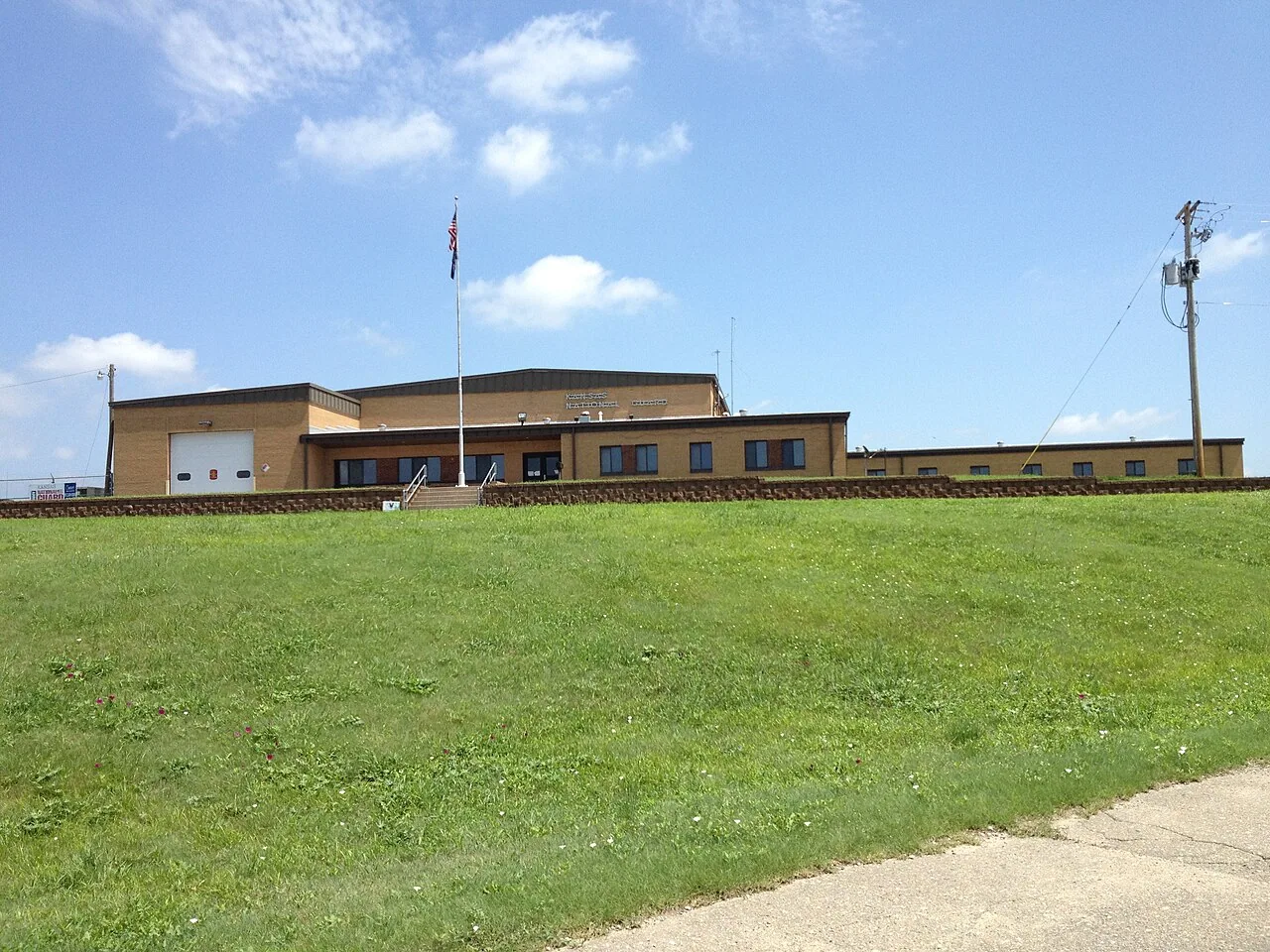
A local detail failure can remain repairable if the surrounding membrane and insulation are sound. Repeated leaks or widespread wet material can justify a larger scope. We inspect the assembly, moisture, drains, edges, and repair history, then compare repair, recover, and tear-off over the same roof areas. A replacement scope should list insulation, equipment details, access, and daily closure. A compatible EPDM assembly may be considered when the field conditions support it. For Indiana work, confirm the enforced state code provisions and amendments with the authority having jurisdiction before approving the roof assembly.
A replacement estimate should identify the affected roof zones, tear-off limits, insulation plan, new flashing, drains, equipment interfaces, and daily dry-in. We state assumptions for hidden deck damage separately from measured work. The general contractor can then compare proposals with the same access, staging, and protection requirements. If only one drainage area shows broad moisture, the bid should not make the rest of the roof part of that quantity without supporting evidence. Photographs and test locations make the scope decision reviewable and reduce disagreement once removal exposes the existing layers.
Talk to Our Roofing Team
Call 555-555-5555 or request a roof assessment. Tell us the address, the roof type if you know it and where water or damage is showing. We work across Fishers, Carmel, Noblesville, Westfield, Zionsville and the surrounding communities.
Property Types We Roof
Which access limits belong in the sequence?
The Allisonville Road corridor has a commercial center between 106th and 126th Streets, while Fishers District includes event, restaurant, and retail uses. Those places give context for the city's operating patterns, but the store contact confirms its own loading times and roof access. A commercial corridor service visit may need delivery planning around active retail routes. We define where a lift can set up, how supplies reach the roof, and what paths remain open. Closeout lists the section, repair, photos, and pending work. Share leak dates, refrigeration work orders, roof plans, and access windows for a defined review.
Refrigeration creates service routes and condensate details that should stay distinct from roof drainage. We check whether a reported wet area follows a pipe, curb, drain, or membrane lap, and note any recent equipment work. If the roof is dry above the reported room, we identify what test or trade review could resolve the remaining question. A repair proposal can then protect inventory and interior operations without assigning roofing work to an unconfirmed source.
Frequently Asked Questions
Can refrigeration continue during roof repairs?
The store and mechanical contacts define operating requirements. We set the roof work boundary and coordinate any equipment access or interruption with the authorized system vendor.
How do you prevent a repeat leak?
We trace the water path, inspect adjacent details, and record the repair boundary. If concealed moisture could change the scope, we identify the needed test before covering the area.
What if the leak starts after equipment service?
We compare the service record with the curb, flashing, and membrane condition. The inspection documents what is visible and coordinates with the vendor if equipment performance needs review.
Should we replace the whole roof after one storm?
No. We inspect the affected and adjacent sections, document visible changes, and compare them with prior conditions before considering a broad renewal.
What belongs in closeout?
Include roof zones, repairs, photos, equipment interfaces, areas not reached, and follow-up checks. Keep the field record with the store maintenance file.
Fishers, IN
Define the grocery roof repair
Send the affected area, equipment work order, roof plan, access window, and store schedule. We will document the roof condition and next step.