Service Areas
116th Street
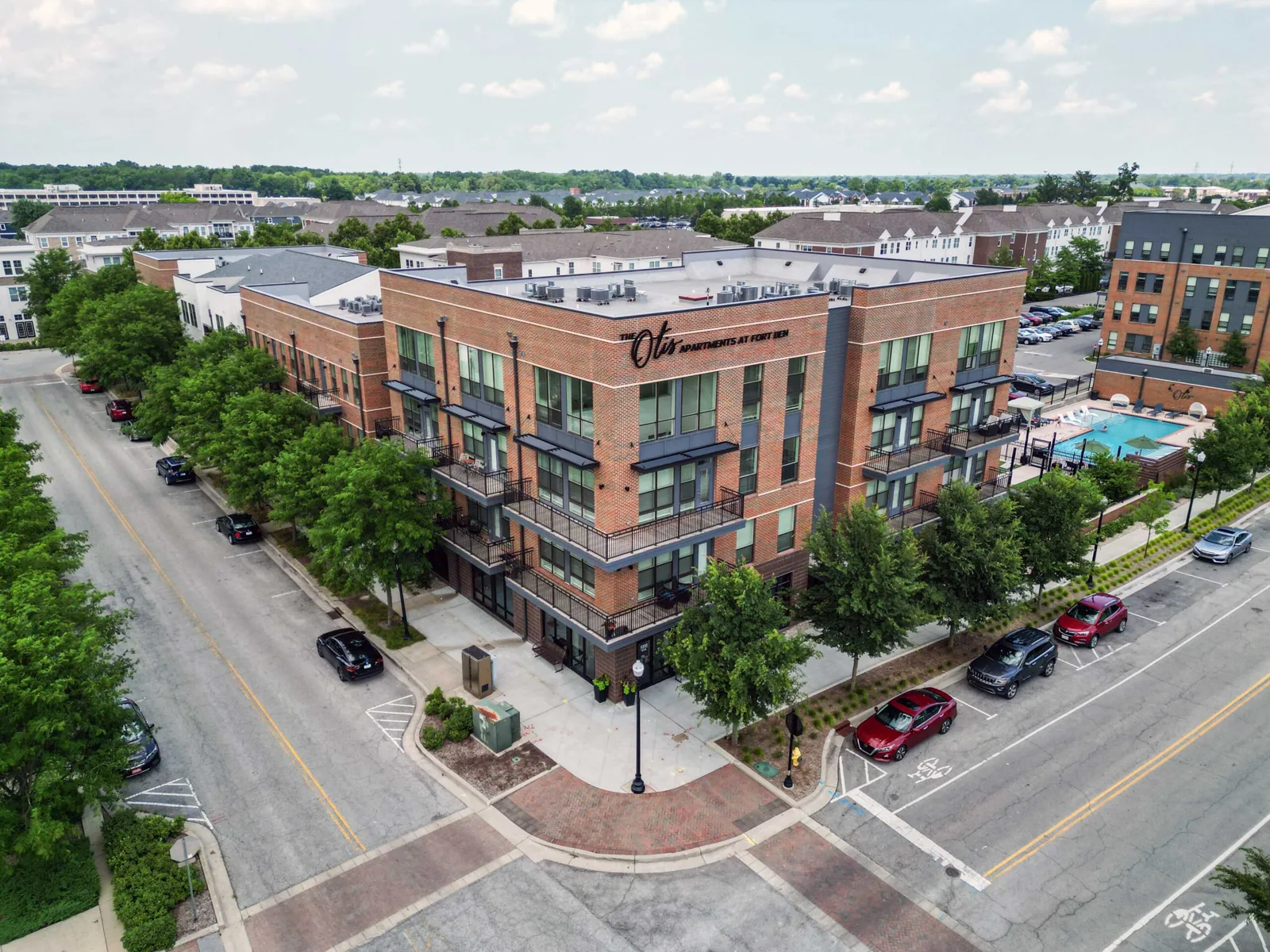
A roof project along 116th Street needs a workable sequence as well as a repair detail. The street crosses Fishers east to west, connecting downtown, commercial destinations at I-69, and eastern neighborhoods. The 116th Street area is also a separate Fishers TIF district. For each property along this route, we confirm roof access, work hours, and the affected building section with its facility contact. We begin with the building contact, the roof section in question, and any tenant or construction schedule. Indianapolis weather normals include repeated precipitation and winter snowfall, so the water path, drain capacity, and end-of-shift dry-in belong in the initial plan. The field record then separates visible defects from test-dependent questions and sets a scope the owner can authorize.
Where can crews work without blocking the site?
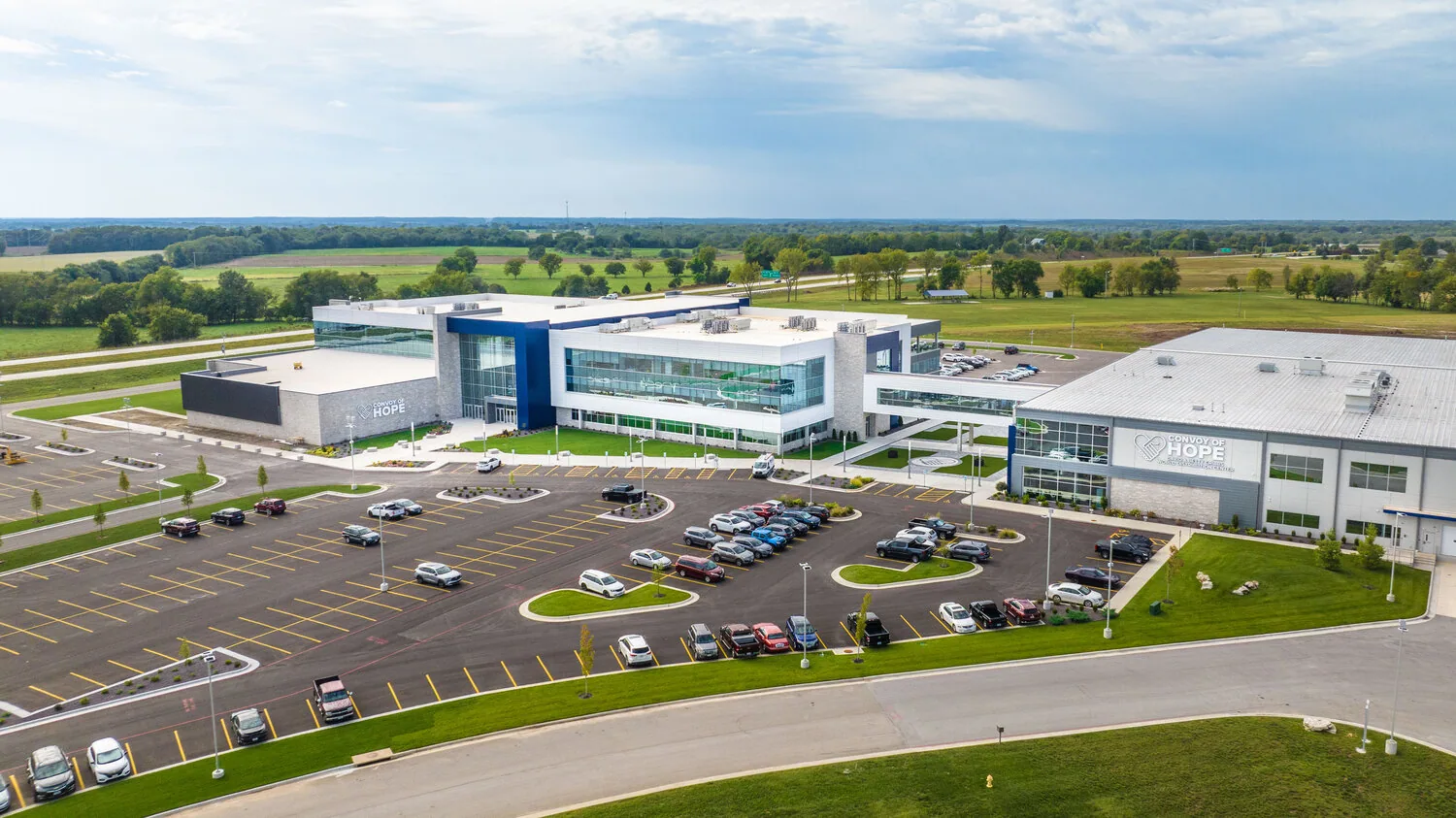
Before setting a date, locate the authorized entrance, roof hatch, staging zone, lift position, and delivery period with the property representative. Because this east-west route connects downtown with commercial destinations near I-69, we confirm the property's actual delivery entrance and staging area before dispatch. The site team confirms current restrictions and emergency access. We then mark which roof zones can be reached and what interior areas need protection. If the work affects an occupied facility, an occupied-roof sequence can identify daily zones and the point at which each one is secured.
For phased work, name the person who approves a boundary change before tear-off starts. If another trade controls equipment or penetrations, confirm whether a shutdown or reset is required. Write the access window into the daily plan so the crew does not open more surface than it can close. Material lead time, roof height, debris removal, weather, and protection below all affect how much work can fit in one shift.
Fishers’ commercial core connects I-69 and State Road 37, while 116th Street links downtown with destinations at I-69. A Fishers District roof assessment can use a separate route plan for its own property. The 116th Street site remains governed by the access information supplied for that building.
Which detail connects the report to the roof?
A reported ceiling leak can travel from a seam, curb, wall termination, drain, or another roof zone. We locate the affected room, note when water appears, and compare that timing with slope and prior repairs. A water-entry investigation helps determine whether the proposed repair reaches the likely source. If the building has more than one roof level, mark the transition between them rather than treating the whole area as a single surface.
Look at the surrounding material before choosing a patch. We check whether the membrane is sound at the tie-in, whether the flashing remains attached, and whether water can move toward a clear outlet. A drainage-path review records outlets and low areas that could influence the repair. When the defect extends beyond visible conditions, identify a test opening or scan that could narrow the uncertainty. The owner can then decide whether to authorize targeted testing or proceed with the confirmed repair only.
Where a property is undergoing work, we coordinate roof access and tie-ins with the construction schedule, then document the actual assembly and open conditions by section.
Service Areas
What does a spring thaw change?
Snow and meltwater can expose drainage weaknesses that are difficult to see under a frozen surface. Indianapolis normals show 25.5 inches of annual snowfall, with the heaviest normal months in winter. We record whether the roof was snow-covered, whether the drain was visible, and what should be revisited after thaw. A perimeter inspection can check metal edges, coping, and transitions for movement after changing temperatures. If an outlet is clear but water remains, inspect slope and substrate before prescribing a build-up.
When a wind or hail event prompts a service request, we photograph the actual seam, fastener, edge, or panel and distinguish new observations from older repairs. Keep temporary cover separate from a permanent repair proposal. The owner should see the covered zone, inspection limit, and follow-up trigger if weather prevents a complete check that day.
Maintenance timing can reflect building operations, so the property contact supplies the hours, roof restrictions, and interior sensitivities. The property contact supplies operating hours, roof restrictions, and any interior sensitivity. We translate that schedule into a safe inspection route and daily closure plan.

Service Areas
How should an estimate show the uncertain parts?
A useful estimate separates verified repair quantities from work that depends on a test or concealed layer. List the roof area, membrane or metal detail when confirmed, insulation assumptions, edge work, disposal, and access equipment. If removal reveals a second assembly, pause at a protected boundary and measure the change before it becomes part of the base scope. A replacement proposal should identify tear-off, new insulation, perimeter detailing, and unknown substrate separately so the owner can compare options.
The Fishers District mixed-use boundary is generally north of 116th Street and extends south toward USA Parkway. Along this route, commercial properties have different building uses and assemblies, so we confirm the roof plan, current use, and access limits for each site. When an owner manages multiple assets, keep each roof plan and maintenance history associated with its location. A 126th Street and I-69 review can apply the same documentation discipline without transferring findings to this corridor.
Repair, recover, and replacement comparisons should use the same assumptions about access and schedule. We state what observation would change the recommendation, including test results, water entry after repair, or a failed transition. If the roof can remain in service for now, agree on a follow-up check instead of leaving the owner with an open-ended deferral. When the work includes drain correction, the proposal should identify strainers, sumps, overflow routes, and any taper or slope question that needs a separate design review. Mark each outlet on the roof plan and note whether it was clear, blocked, or inaccessible during inspection. That gives the next maintenance visit a precise starting point.
What should the owner receive after the visit?
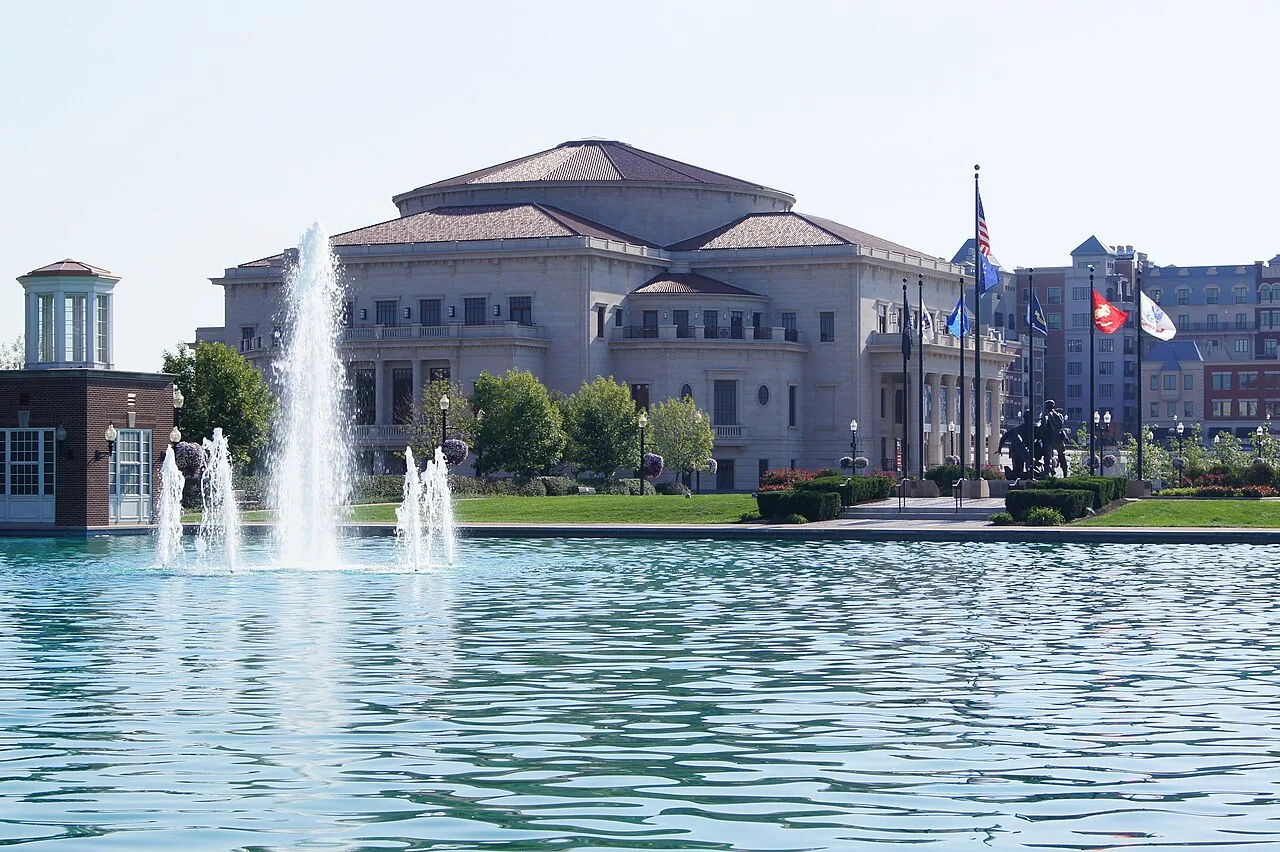
Provide a marked roof plan, dated images, observed conditions by zone, test locations, and a list of areas the crew could not reach. Closeout should identify the completed repair, materials used, remaining exclusions, and any temporary protection. If another trade owns an equipment interface, name the handoff required before that roof detail can be considered complete. The next review can then compare like-for-like locations rather than reconstructing the original walk.
For a 116th Street corridor request, send the building plan, leak timeline, access instructions, prior repairs, and project calendar. We will return a defined inspection boundary and the next scope decision based on conditions observed, not on corridor-level assumptions.
Talk to Our Roofing Team
Call 555-555-5555 or request a roof assessment. Tell us the address, the roof type if you know it and where water or damage is showing. We work across Fishers, Carmel, Noblesville, Westfield, Zionsville and the surrounding communities.
Frequently Asked Questions
Does the 116th Street TIF district mean a property is being redeveloped?
No. The TIF district describes an administrative area; the property contact confirms current work and access conditions. Roof scope comes from the building inspection.
How do you protect a building if a repair runs past the planned shift?
We set the closure point before opening the roof. If a concealed condition changes the plan, work pauses at a safe edge and the owner approves the next quantity.
Can a roof leak be traced from a ceiling stain?
The room and timing help narrow the route, but we compare them with roof slope, seams, curbs, and drains. A test may be needed before setting the permanent repair limit.
What if snow blocks a drain during inspection?
We record the covered outlet as unverified and set a return check after safe access and melt. The report will not label a hidden drain as clear.
What should be included in a corridor project estimate?
Show measured work, access and staging, insulation assumptions, edge details, disposal, and concealed quantities separately. That gives the owner a fair repair-versus-renewal comparison.
Fishers, IN
Set a roof work window for 116th Street
Provide the roof plan, reported condition, access rules, and construction calendar. We will map the inspection boundary, identify limits, and recommend a next step the project team can schedule.