Roof Damage Repair
Commercial Ponding Water Roof Repair
Water that remains after nearby roof areas have drained needs a measured review, not an automatic coating or drain replacement. We map the low area, inspect its route to the nearest outlet, and compare it with reported leaks. Fishers, IN, shares the Indianapolis region’s 25.5-inch normal annual snowfall and recurring freeze-thaw cycles, so a blocked outlet can hold meltwater near seams or edges. We use the seasonal pattern to time a safe outlet inspection, then measure drainage, slope, and deck conditions at the property. We record the pool’s location, drainage path, and what could not be inspected, then separate a simple obstruction from a low section that may need testing or construction work.
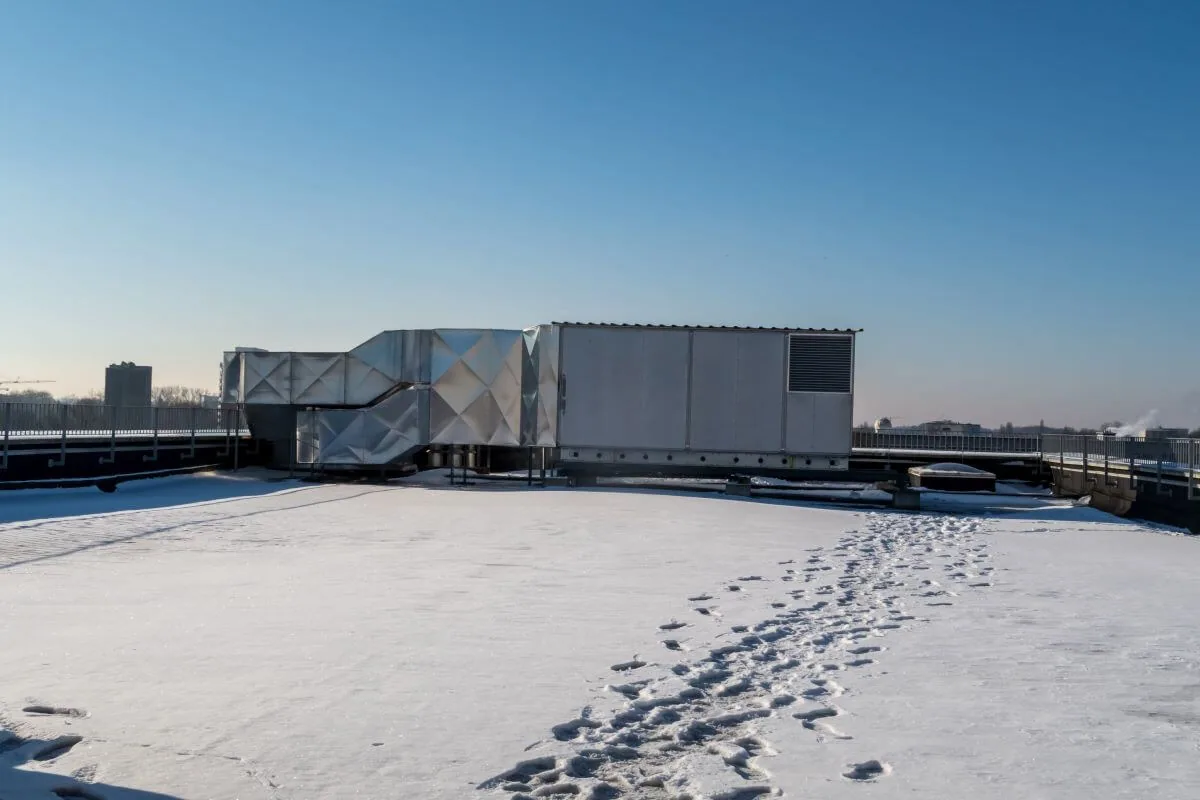
Where does the water stop moving?
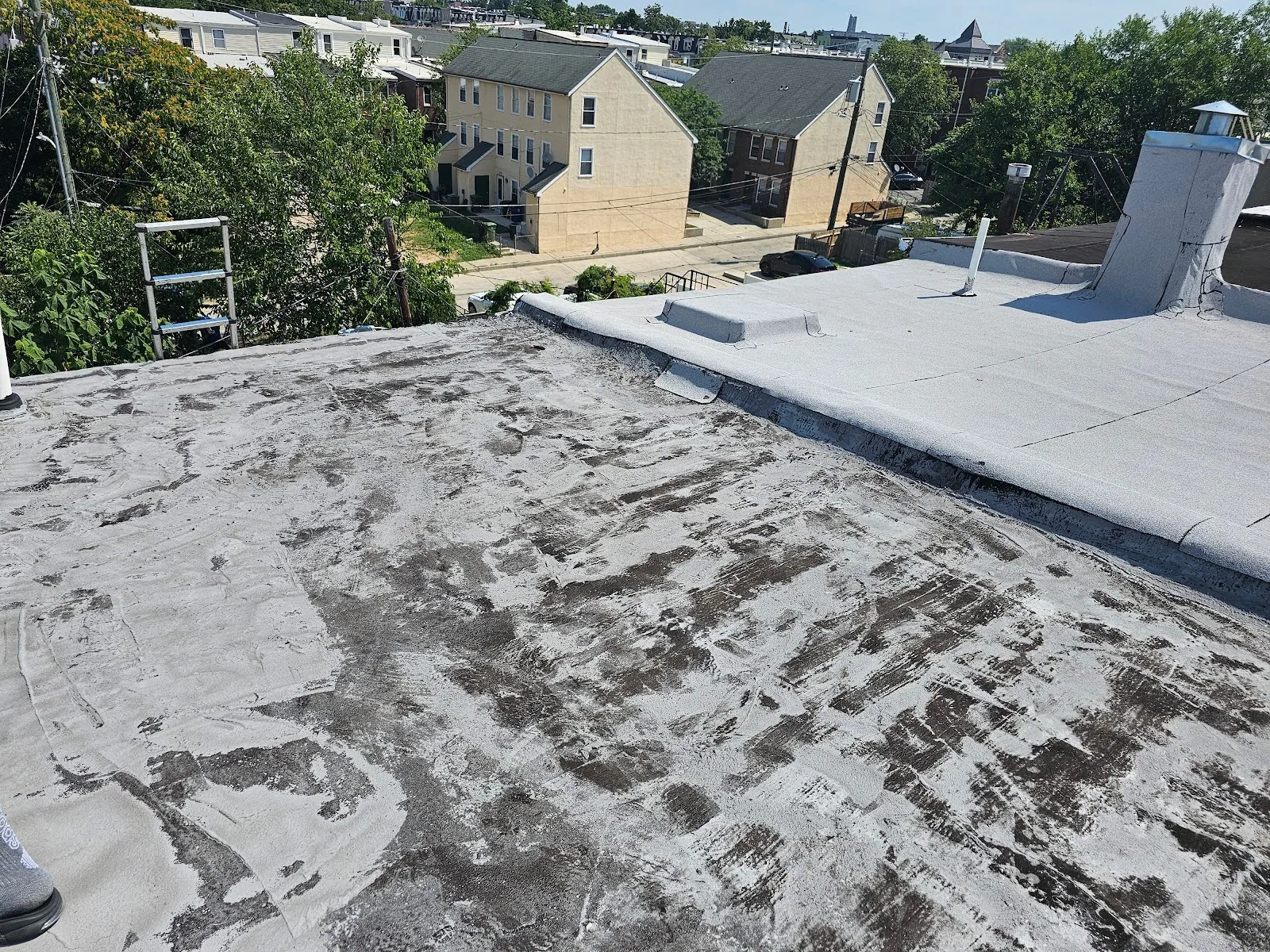
Mark the pond’s boundary on a roof plan and note its position against drains, scuppers, seams, curbs, and structural lines. We check whether water remains after adjacent surfaces have cleared and inspect the route into the outlet. A drain and scupper review can separate a blocked inlet from a low point that continues to retain water. The report should describe the observation period and current weather, since a single post-rain image does not define normal drainage behavior. The building team can also note whether the area drains after different storm durations, whether water returns at the same location, and whether nearby outlets were clear at the time. That comparison helps separate a short-lived pool from a persistent low section. We do not use a fixed depth alone to choose a repair; membrane condition, substrate, drainage design, and access to the outlet all affect the next step.
Fishers’ 116th Street corridor links downtown with commercial destinations near I-69 and eastern neighborhoods. For a roof visit around that route, identify the building entrance and allowed loading window before staging materials. Access can limit which outlets and roof zones are checked during the first visit. We list blocked views and unsafe areas, then schedule another window to complete the drainage review.
Which roof layers surround the low area?
A drain can be clear at its strainer while a downstream connection remains restricted. Check the inlet, sump, leader where accessible, and nearby membrane for debris, loose laps, or prior patches. We inspect seams and penetrations within the pond’s boundary, then look for soft areas or signs that the substrate has changed shape. A roof inspection can document those components and state what remains concealed.
We trace an interior stain against the reported room, roof geometry, weather timing, and visible details before connecting it to the low area. If water entry is active but the path is uncertain, a leak investigation can trace the entry point separately. This prevents a drainage report from becoming an unsupported explanation for every interior condition.
Roof Damage Repair
What changes when meltwater freezes?
Indianapolis normals show winter snowfall concentrated in January, February, and December. In Fishers, a thaw can move water across the roof before temperatures drop again. Ice near a drain or at the edge can change the next inspection, so we record whether an outlet was clear, frozen, or not safely accessible. Do not chip at the membrane to expose a drain. A later access window may be needed to inspect the surface without causing new damage.
If the pond appears near an edge or parapet, check metal terminations and adjacent flashing after the roof is safe to reach. A flashing evaluation can identify a failed transition that should be repaired separately from drainage. Where the membrane joint is open, a seam review considers that path. Keep the winter condition, water entry, and repair method separate in the field record.
Roof Damage Repair
What correction matches the measured cause?
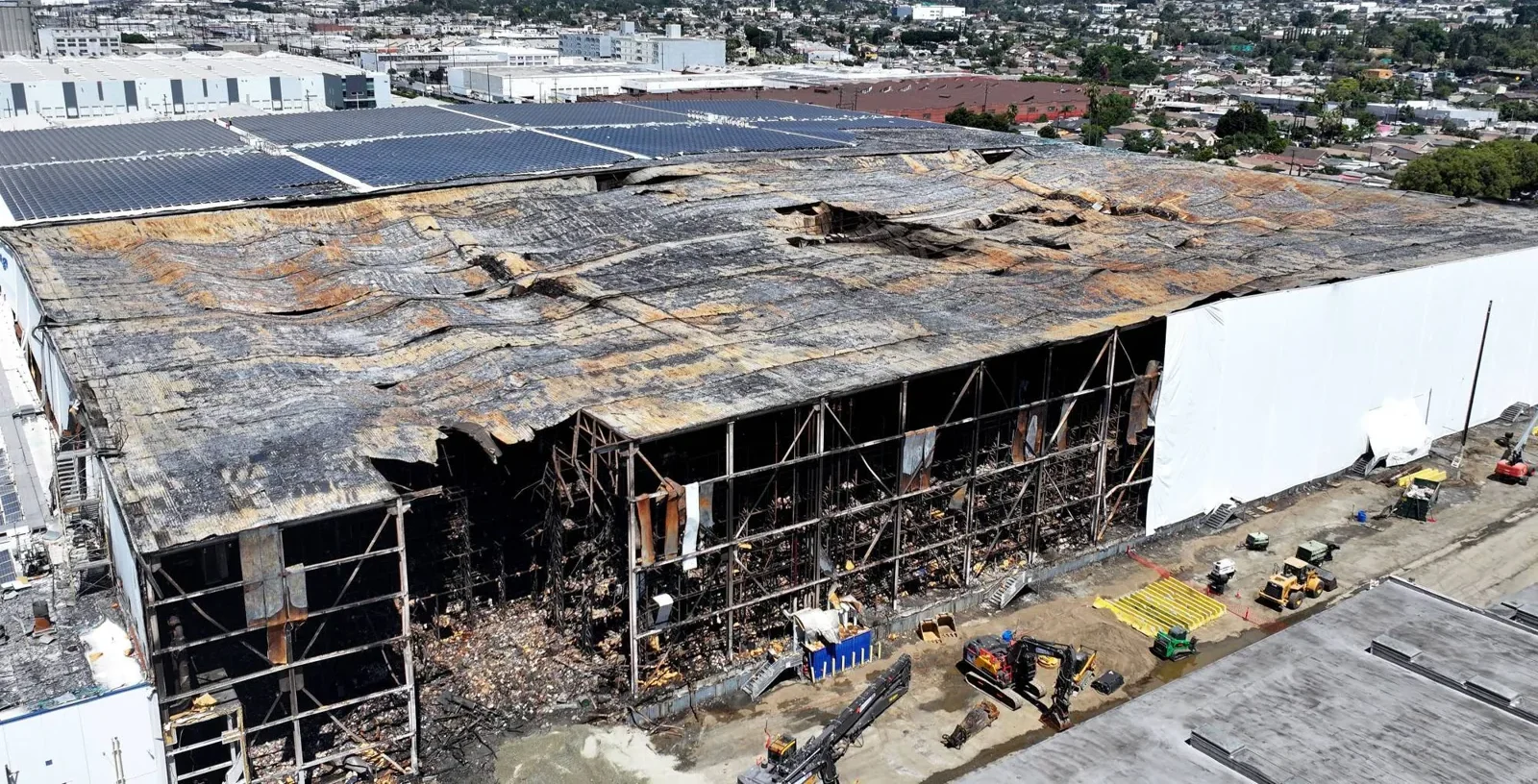
Clearing debris may restore flow when the outlet was obstructed. If a persistent low area relates to insulation settlement or deck deflection, more testing may be needed before a slope correction is designed. We describe the tested section, material layers, drainage route, and transition heights that a proposal would affect. A localized build-up can change curb, door, or edge clearance, so the scope should show those interfaces before work starts.
When concealed moisture could alter removal quantities, a moisture survey may identify locations for further verification; its limits must be stated. If an approved opening reveals wet insulation or damaged deck, measure what is exposed and pause before extending the repair. A condition report can connect the ponding map, test result, and changed quantity. The owner can review the added work while the dry-in boundary remains clear. Before proposing a tapered build-up, measure adjacent drain rims, door thresholds, curb heights, and available insulation depth. These dimensions determine whether a correction can improve flow without creating a new transition problem. If a structural change appears likely, keep that question with the design professional rather than assuming a roofing layer can resolve it.
How will the repair fit the site schedule?
Drain or slope work may involve temporary protection, material staging, and areas that cannot be crossed while open. Confirm the access window, lift location, interior protection, and who can authorize a change if removal reveals another layer. A Nickel Plate District visit may require coordination with nearby mixed-use activity; the property contact sets the actual delivery and roof-access rules. Keep each work zone small enough to close safely within the approved shift and weather window.
A property manager can coordinate tenants and preserve separate records if several buildings share an owner. The contractor should identify when the drain or roof section is unavailable and how temporary flow will be managed during work. We set the closeout point after confirming current conditions, approvals, and the protection method for that shift. The general contractor can then schedule ceiling work or another trade against the handoff.
Talk to Our Roofing Team
Call 555-555-5555 or request a roof assessment. Tell us the address, the roof type if you know it and where water or damage is showing. We work across Fishers, Carmel, Noblesville, Westfield, Zionsville and the surrounding communities.
Roof Damage Repair
How will drainage be checked afterward?
Closeout identifies the cleaned or repaired outlet, the adjusted area, tie-ins, photographs, and any remaining monitoring item. State whether the roof drained under the conditions observed at completion or whether a later rainfall check remains open. A maintenance review can compare the same location over time and catch recurring debris or movement before the next freeze-thaw cycle.
The Nickel Plate District’s downtown blocks are mixed use, while Fishers Life Sciences & Innovation Park includes suppliers, research, and contract manufacturing. The property contact sets access times at each location. We attach the drainage map and closeout photos to that building's roof section. If ponding returns, use the measured map and closeout photos to decide whether a new obstruction, slope condition, or unrelated seam needs attention.
For a follow-up after rainfall, we revisit the mapped low area and record the time since precipitation, the nearby outlets, and whether water remains in the same footprint. If a drain correction changes the pool, the updated map shows whether flow improved or another low point remains. That comparison supports a next scope decision without pricing a slope correction from one observation.
Frequently Asked Questions
Does ponding on a Fishers roof mean water has entered the building?
Not by itself. We compare the pond with reported entry, seams, drains, and nearby materials before connecting it to an interior stain.
Can a drain cleaning correct recurring ponding?
It can when debris is the cause. If water remains after the flow path is clear, slope, substrate, and outlet conditions need a separate review.
Should ice be removed from a roof drain?
Only with a safe method that protects the membrane and outlet. We document frozen or inaccessible areas and schedule follow-up when needed.
Will you test below the membrane?
If concealed moisture could change the repair quantity, we can define a survey or test opening and explain what each method can establish.
What should a general contractor include in the work plan?
Set the roof boundary, outlet availability, daily dry-in point, access window, material staging, and approval step for concealed conditions.
Related Roofing Work
Fishers, IN
Map the ponding condition
Send the roof plan, pond location, dates after rainfall or snowmelt, leak reports, and access window. We will trace the drainage route and define the next test or repair.