Roofing Manufacturers
Johns Manville Commercial Roofing
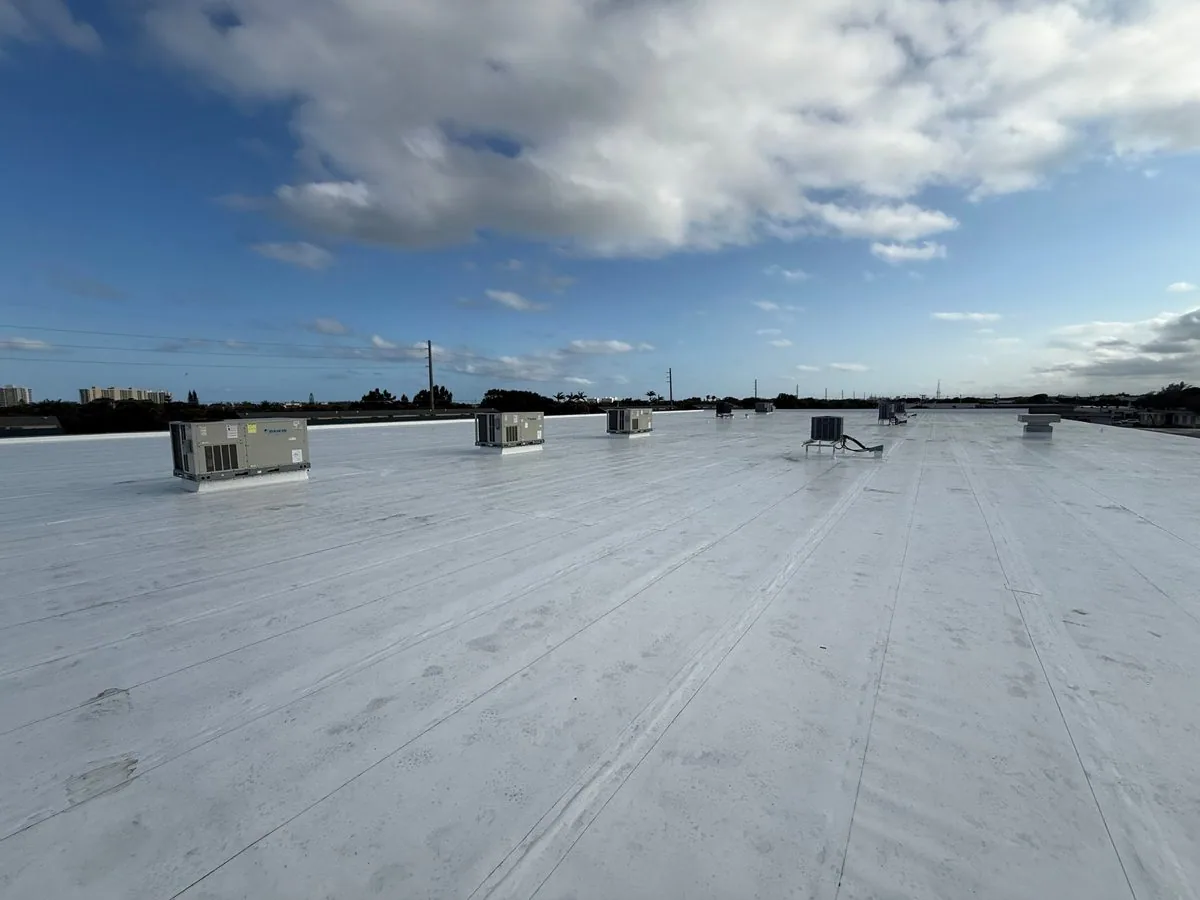
A blister, split, or wet ceiling does not identify which layer of a Johns Manville roof needs work. We inspect the surface, seams, flashing, drainage, and roof records before setting a repair boundary. Johns Manville offers several commercial assembly types, so we identify what is present before selecting a repair. The field record notes the section, observed condition, and access limits.
Fishers sits on the I-69 and State Road 37 commercial network, and nearby Noblesville has several business districts. Before dispatch, we match the property contact, roof map, and available product records to the scheduled inspection. A Soprema commercial system comparison and Versico roof options can help when a replacement scope considers more than one assembly, while a built-up roof review requires attention to surfacing and ply condition.
Which Johns Manville assembly is present?
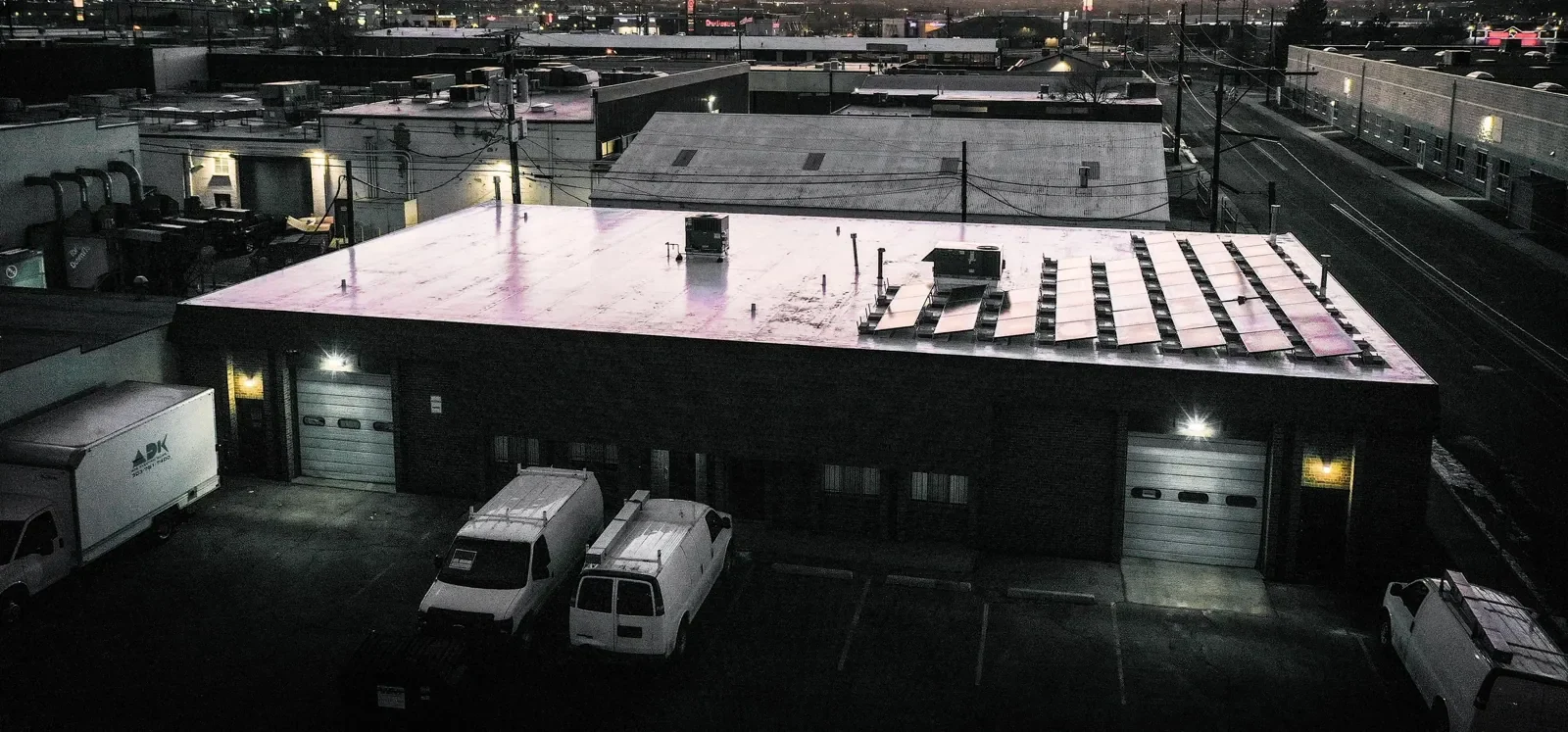
A roof may combine membrane, modified bitumen, built-up layers, insulation, and repairs from different projects. We compare labels, seams, surfacing, attachment, and closeout documents. Separate maps identify areas where the assembly changes.
Johns Manville offers membrane and asphalt-based commercial products. Color alone does not confirm the system. If records conflict with field evidence, we note the uncertainty and whether a test is useful. A roof inspection documents visible details; an approved core can confirm concealed layers.
Projects near Fishers' Life Sciences & Innovation Park can involve suppliers, research, and contract manufacturing. We coordinate roof access and equipment schedules with the site contact, then record which roof areas were reached. A 126th Street and I-69 area visit still begins with the specific building's roof plan, contact, and access requirements.
What can a surface defect tell us?
Cracking, exposed reinforcement, an open seam, or failed flashing can have different causes. We inspect for water entry, movement, prior patches, and trapped moisture. The field record separates visible damage from conditions that require removal to confirm. A repair record also notes whether the surface was wet, how far the defect extended, and which adjacent details were inspected. If the roof area could not be reached because of equipment or unsafe conditions, we say so rather than implying the entire assembly was cleared. That distinction matters when another leak appears after the immediate correction. The owner can compare the new symptom with the mapped repair and decide whether to schedule testing or inspect a separate roof section.
A patch needs a clean, stable surface and compatible tie-in. We prepare the approved area and finish exposed edges. If moisture extends below it, we photograph the condition and request approval before adding work. The scope names the defect being corrected.
Indianapolis averages about 25.5 inches of snowfall, and freeze-thaw cycles challenge drains and edges. We inspect water routes after melt. A snow and ice damage review records conditions without assuming the weather caused damage at a particular building.
Where two roof phases meet, we inspect the transition instead of assuming the newer material continues beneath the older section. A marked roof map helps keep repairs and future testing tied to the correct assembly.
Roofing Manufacturers
When is more testing worth scheduling?
A moisture survey can help prioritize suspect areas. We confirm the method suits the roof build-up, mark readings on a plan, and state limits. If concealed layers need direct confirmation, we identify the next test before requesting approval.
A core can reveal roof layers or deck condition. Before cutting, we confirm location, reason, protection, and repair method. We report results and unresolved questions rather than treating an inconclusive test as proof that concealed materials are dry.
Separate leaks may share a drainage or edge issue, but similar symptoms do not prove one cause. We compare water paths and transitions. A mapped condition report keeps photos and test locations together.
Roofing Manufacturers
How do repair and replacement scopes differ?
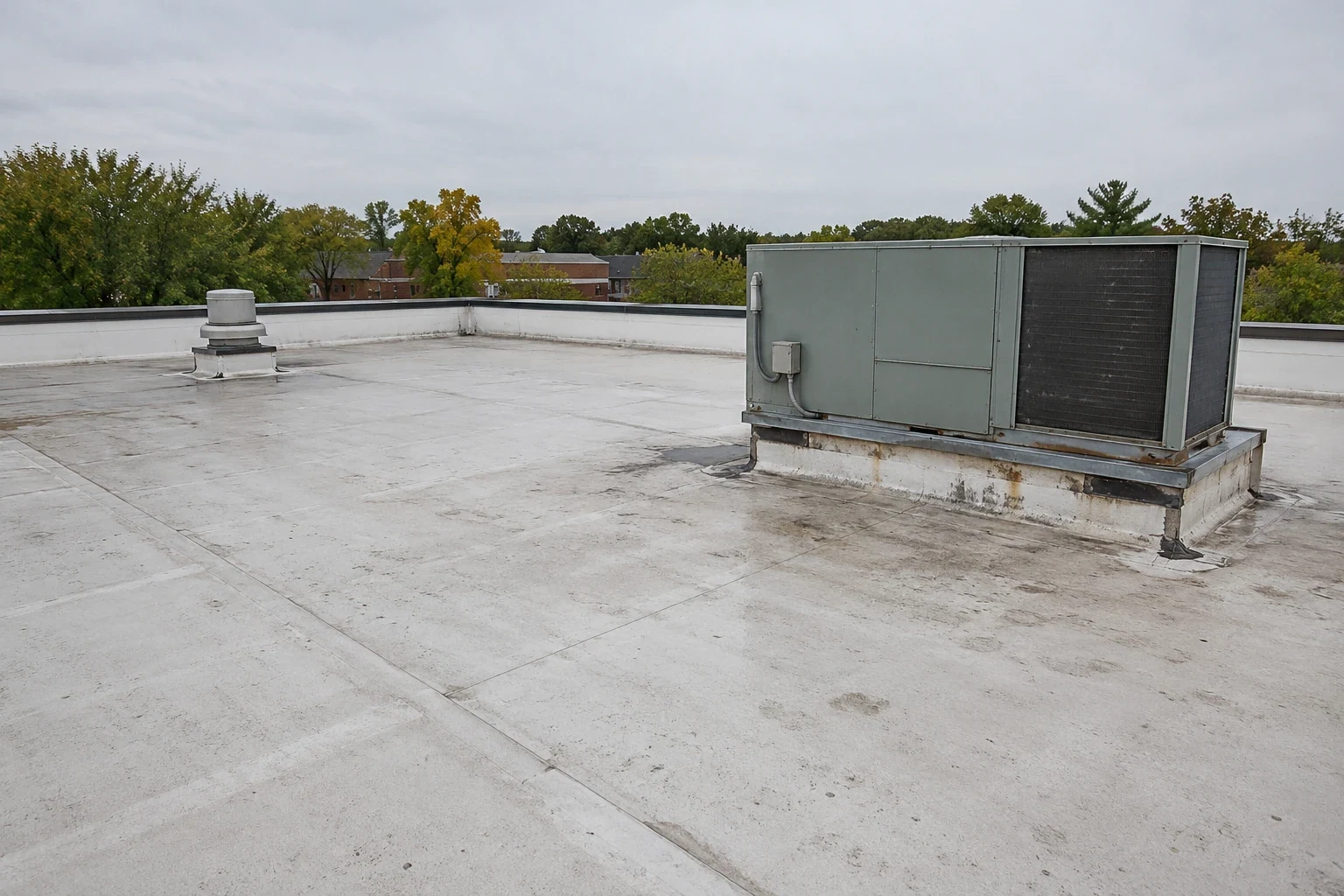
A repair estimate states the section, material, preparation, quantity, and tie-in. Replacement adds removal, insulation, drainage, edge metal, temporary protection, and phasing. We separate confirmed work from conditions that need owner approval after opening. The funding decision should show why one alternative was selected and what evidence could change it. We separate near-term repairs from work that can wait for a planned outage or tenant turnover. If the roof is expected to remain in service during construction, the sequence identifies temporary protection and the point for daily closeout. A building owner can then review the scope with operations and construction teams before committing to material quantities or a start date.
A product name does not decide whether to recover or remove. We assess moisture, attachment, substrate, drainage, and project requirements. A replacement plan can compare removal with supported alternatives and include dry-in sequencing.
Fishers issued 137 commercial building permits in 2024, compared with 123 in 2023. Around active construction, we inspect nearby curbs, supports, penetrations, and temporary tie-ins before defining roof work.
What does the work plan need to protect?
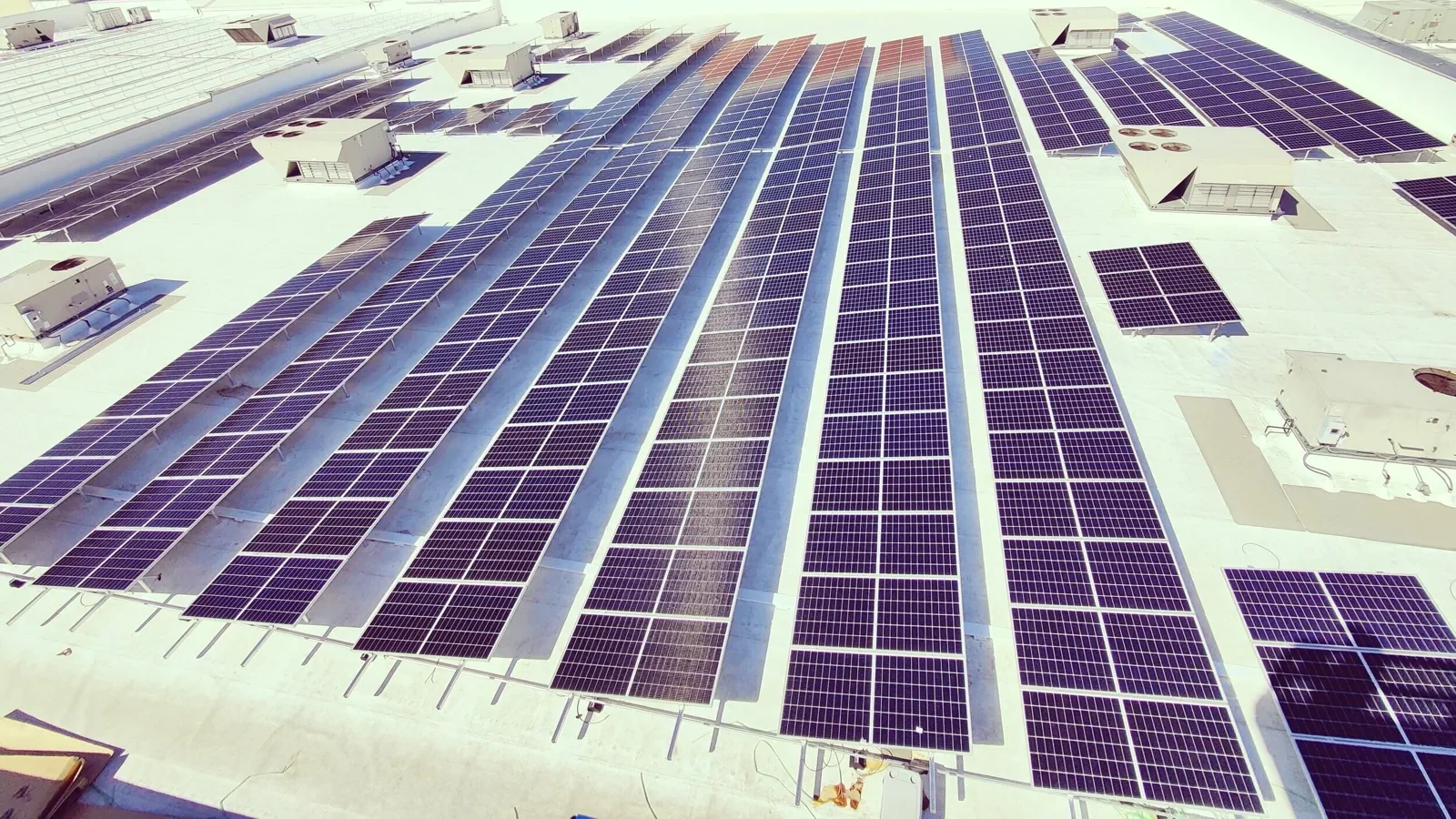
Occupied work needs clear access, staging, debris handling, and protection below. We phase areas when tie-ins and weather cover can be managed. The schedule names the dry-in point and who can approve a change if concealed damage appears. Before work, we agree on the contact who can release each roof area and receive a same-day report. The closeout states what was completed, what remains inaccessible, and whether further inspection is recommended. If conditions differ from the assumed assembly, we pause the affected task, protect the opening, photograph the layers, and request a scope decision. That keeps the field record aligned with the approved work and gives the owner a clear basis for the next visit.
Membrane and asphalt work have different weather requirements. We check forecast, surface moisture, and the time available to protect open areas. Indianapolis normals show a July high near 85 degrees and frequent June rain, so staging and dry-in need a weather-aware sequence.
Closeout records materials, roof section, photographs, tests, and open items. Keep approved project details with the warranty file. A warranty file review organizes records without predicting a coverage decision.
Talk to Our Roofing Team
Call 555-555-5555 or request a roof assessment. Tell us the address, the roof type if you know it and where water or damage is showing. We work across Fishers, Carmel, Noblesville, Westfield, Zionsville and the surrounding communities.
Frequently Asked Questions
Can you identify a Johns Manville product from the roof surface?
Appearance is one clue, not confirmation. We compare field details with labels, closeout records, seams, surfacing, and attachment. If those do not establish the build-up, we document the uncertainty and propose a test only when it answers a specific question. We also note when a product label applies only to one phase, so a later addition is not misidentified.
Can an asphalt-based roof be repaired without full replacement?
A localized correction may work when the surrounding surface is stable and the problem is contained. We inspect surfacing, moisture, seams, and nearby details, then state what the repair covers. Broad deterioration or wet layers can change the recommendation. We can compare the same evidence to separate additions, repairs, and the original installation.
When should an owner request a core sample?
A core is useful when concealed layers or deck conditions could change the scope. We identify the location and reason, obtain approval, protect the opening, and record what the sample shows. The test area cannot represent every roof section without additional evidence.
Will a Johns Manville warranty pay for a roof repair?
The issued warranty governs coverage and service requirements. We can document conditions and assemble repair records for the owner, who can submit the details to the issuing party. Product identification alone does not establish that a reported issue is covered.
What should be ready before a roof replacement review?
Send roof plans, available product paperwork, leak and repair history, project timing, and site access rules. We review those items, inspect the approved areas, and identify which removal or testing decisions require owner direction.
Fishers, IN
Set the assembly and scope before mobilization
Send the roof plan, Johns Manville records, leak history, access window, and construction schedule. We will inspect the approved sections and identify the repair, test, or replacement decision that needs attention first.