Commercial Roofing Services
Storm Damage Roof Repair
A lifted edge or puncture after severe weather needs a roof check before anyone assigns a repair quantity. In Fishers, IN, we compare the reported time and affected rooms with visible membrane, flashing, metal, and drainage conditions. The inspection separates fresh damage from older repairs and identifies sections that need temporary protection or testing. A regional storm report can guide the questions, but only the building’s actual condition establishes the work. The owner receives a mapped record that can support a repair decision and the next insurance discussion.
What changed after the weather?
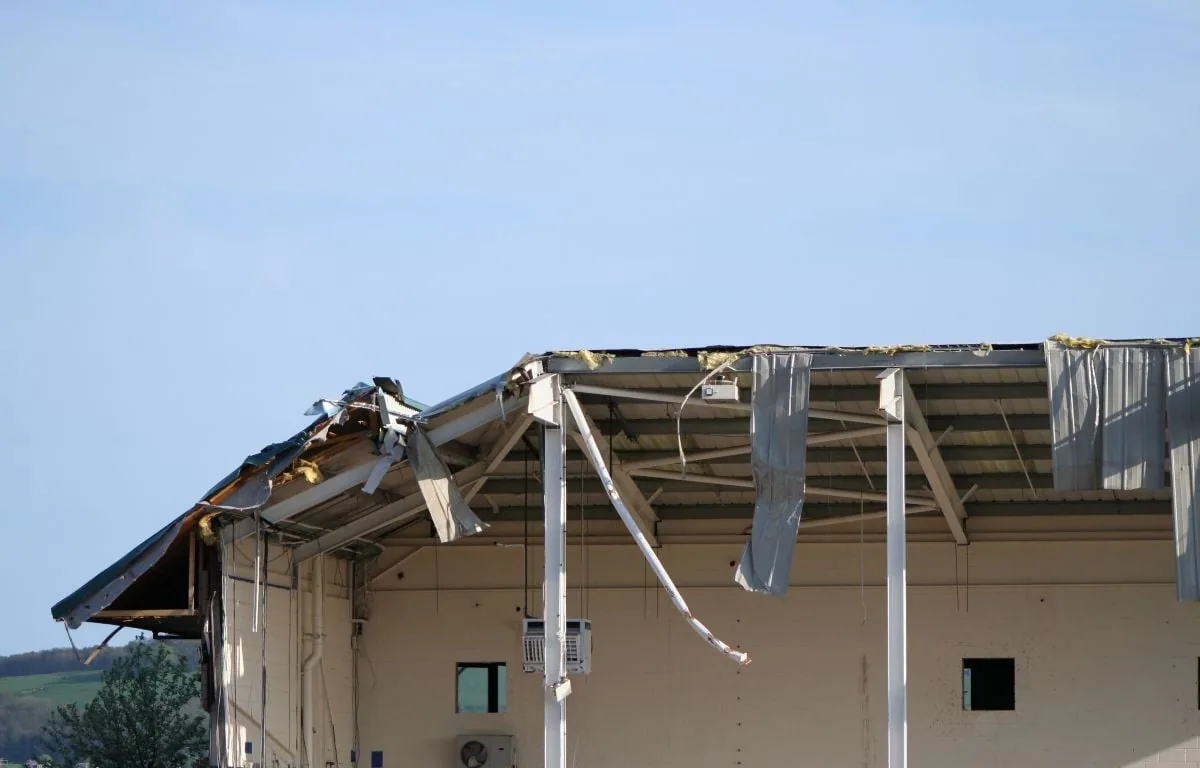
We start with the affected roof area, interior reports, event timing, photos, and prior repair history. The roof walk checks seams, perimeter metal, curbs, penetrations, drains, rooftop equipment, and nearby patches. Wind can move edge metal or loosen a termination; hail can mark a membrane, coating, or rooftop component; falling debris can puncture a surface. Those mechanisms leave different evidence. We record the condition and location before disturbing loose material, then identify the test needed if the assembly below the membrane may be affected.
Aerial imagery can document broad views and help the facilities team return to a roof section, but an overhead image cannot probe a seam or confirm wet insulation. The drone roof overview can add location context when access to a large roof is limited. A hands-on roof inspection checks the detail itself and separates visible change from confirmed damage. If moisture is suspected below the surface, a targeted moisture survey may help select an opening for testing.
The National Weather Service includes Hamilton County in its central Indiana tornado climatology. In 2024, an EF2 tornado crossed Hamilton County into Madison County. For any Fishers storm call, we document conditions at the building under review. The property contact can identify which rooms first showed water, whether rooftop equipment stopped, and whether a prior patch or maintenance visit changed the condition.
Which details can admit water?
Storm-related entry may occur at an open seam, torn penetration flashing, displaced edge, puncture, failed curb corner, or obstructed drain. Water can travel below the membrane before appearing inside, so the nearest ceiling mark is not automatically the roof opening. We compare the interior report with slope, drains, seams, wall transitions, and prior repairs. The leak investigation traces that path and identifies the area that needs repair or additional testing.
A repair has to reconnect to compatible, stable material. We remove loose components within an approved boundary, prepare the surface, replace failed flashing or sheet where required, and inspect the finished tie-in. If damaged insulation or deck extends beyond the visible opening, work pauses at the agreed limit while the owner reviews added scope. The commercial repair plan states the tested boundary, restoration detail, and any remaining condition rather than labeling a temporary cover as a completed repair.
Near the 116th Street commercial corridor, a property may sit among offices, retail, and other active destinations, but corridor activity does not reveal roof damage. We coordinate entry and staging with the individual building contact. For a site near Fishers District, the broader mixed-use area includes retail, event, and office uses; each roof still gets its own access route and condition map. We schedule protection to avoid blocking fire access, deliveries, or tenant paths.
Commercial Roofing Services
What happens before permanent work?
If water is actively entering, the first task is to limit exposure without adding damage to an unknown assembly. We identify a safe route, roof material, runoff direction, and temporary method, then protect affected interiors where needed. A cover is not attached through a membrane until the attachment method and restoration method are understood. If weather or access prevents a lasting repair, the response record states what remains exposed and when a return visit is needed. The emergency roof response can stabilize active entry while a permanent scope is prepared.
Fishers’ commercial core follows I-69 and State Road 37, routes that connect local businesses with Indianapolis and Hamilton County destinations. That geography can help stage crews and materials, while actual access depends on the site entrance, roof hatch, lift location, and work-hour restrictions. We confirm access hours, roof entry, and safe arrival with the Fishers site contact before dispatch. If mechanical or electrical trades are addressing equipment damaged during the same event, the sequence identifies who restores penetrations and who completes the roof flashing around them.
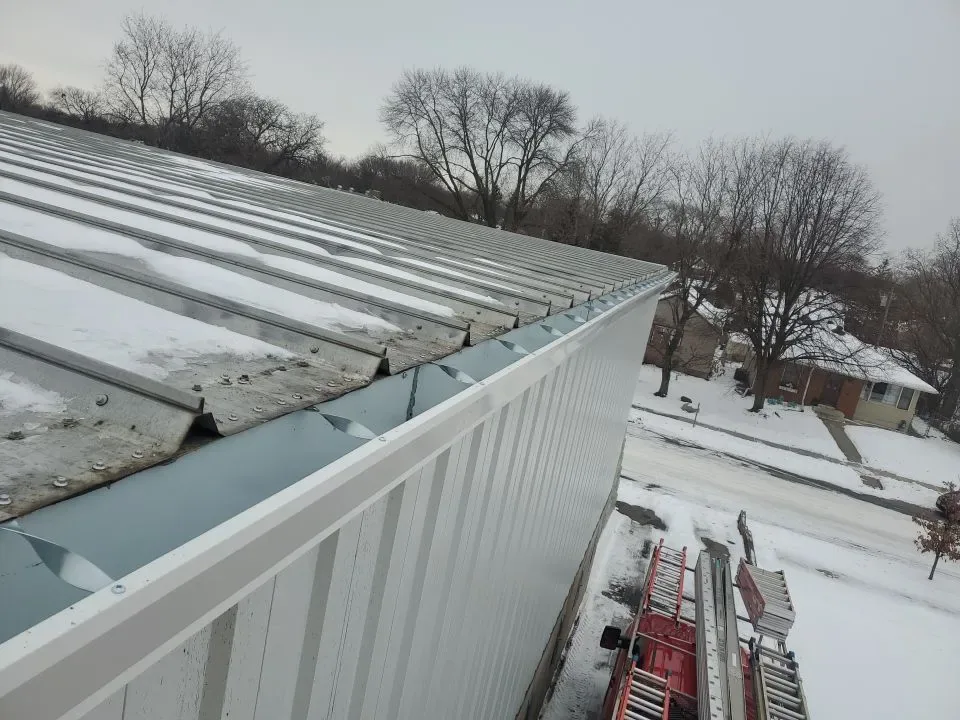
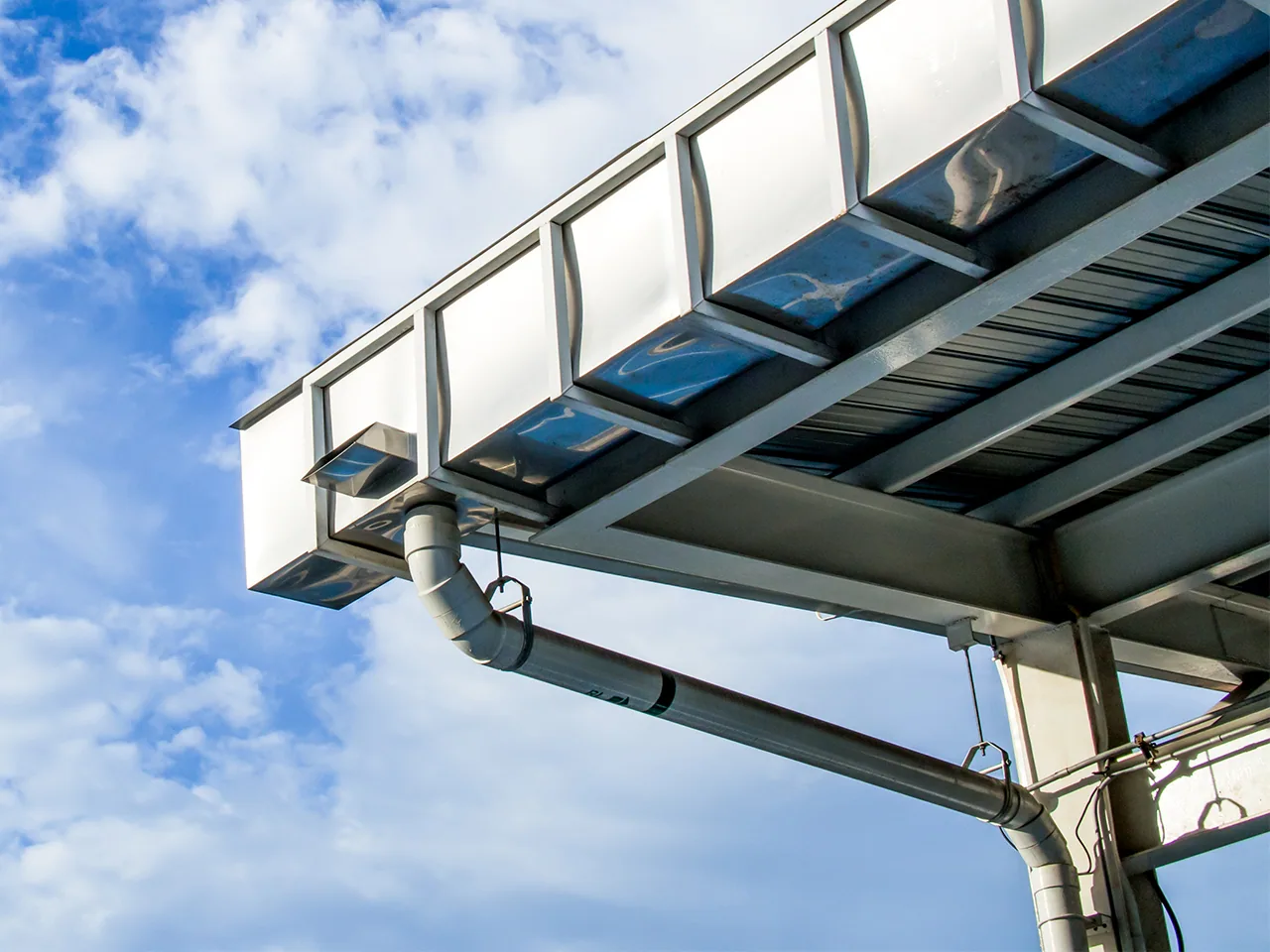
Weather also affects when a repair can be installed. Rain on the surface, snow, ice, and freeze-thaw conditions can change safe access and material preparation. We document when a temporary measure was placed and what conditions must change before a permanent tie-in. Any roof area not reached or tested remains outside the finding. A separate edge and coping review can address metal displaced at the perimeter when that work differs from a membrane repair.
Commercial Roofing Services
How is storm documentation organized?
For a claim discussion, records should distinguish observed damage, the likely event connection, prior conditions, tests, repairs, and items that remain uncertain. We photograph details with enough context to locate them again, mark each roof section, and record the inspection date and access limits. If an insurer needs an estimate or additional photographs, the owner can use the mapped findings to identify what is being considered. We provide roofing observations and repair scope; coverage decisions belong to the insurer and policyholder.
Cost depends on the quantity of material removed, compatibility of the replacement system, access equipment, interior protection, test openings, deck repairs, and coordination with other trades. A small puncture and a long displaced edge do not require the same labor or material. We separate immediate protection from permanent work and identify allowances tied to concealed conditions. If test results widen the boundary, we show the finding and request approval before expanding removal.
A claim documentation review can organize dated photographs, roof-zone labels, service history, and repair estimates. A roof condition report can preserve the current findings with earlier maintenance records. Neither record changes policy terms; it gives the property team a consistent description of what was inspected, what was repaired, and what still needs a decision. When a claim involves multiple buildings, each roof retains its own map and evidence rather than borrowing observations from a nearby structure.
What should the repair closeout show?
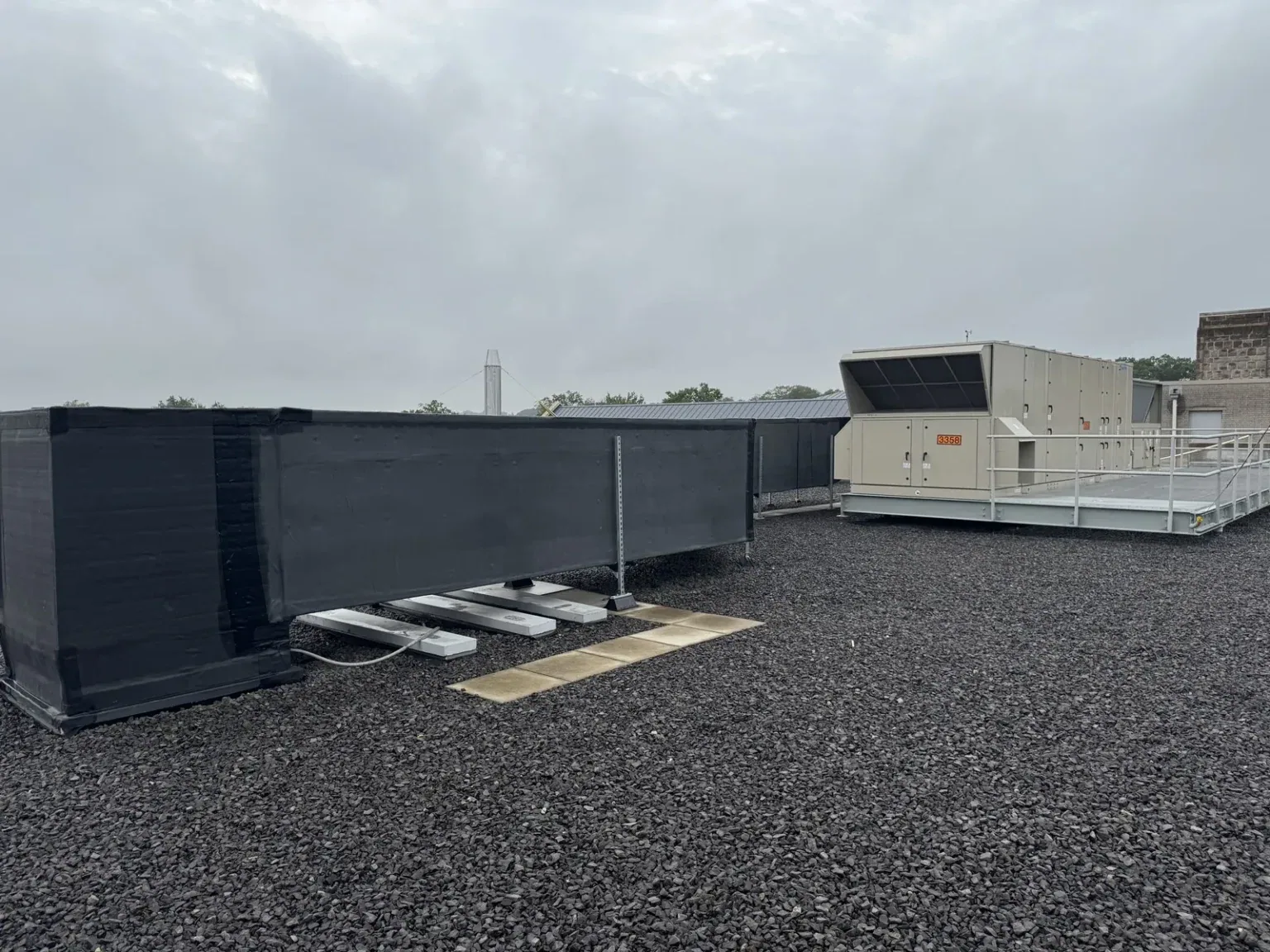
After work, closeout identifies the repaired roof section, materials, preparation, photos, and any area that remains open. We inspect the tie-in and nearby runoff route, then state whether the repair is permanent or temporary. If another trade must finish a curb or equipment connection, its handoff and return check are listed separately. The owner receives enough detail to compare the finished work with the original observation without treating an emergency dry-in as a final repair.
For a building near the Olio Road and east Fishers corridor, road construction may change delivery or entrance timing. We confirm current access with the site contact rather than assuming a route is clear. Once crews can reach the roof and weather permits the repair method, we complete the approved boundary and photograph the finished details. Send the event date, affected rooms, prior repair history, and access contact to begin a storm assessment.
Talk to Our Roofing Team
Call 555-555-5555 or request a roof assessment. Tell us the address, the roof type if you know it and where water or damage is showing. We work across Fishers, Carmel, Noblesville, Westfield, Zionsville and the surrounding communities.
Frequently Asked Questions
Can a storm report prove my roof was damaged?
It can establish regional weather context, but the building needs its own inspection. We map visible conditions and identify testing needed before assigning a repair boundary.
What if water is still entering the building?
We first assess safe access and temporary protection, then document the affected rooms and roof section. Permanent repairs follow when the surface and assembly can be inspected.
Do you prepare documentation for an insurance claim?
Yes. We can provide dated photographs, roof-zone findings, test results, and a repair scope. The insurer and policyholder make coverage decisions under the policy.
How do you distinguish new damage from an old repair?
We compare the reported event timing with prior service records, photographs, material condition, and the surrounding assembly. Any uncertainty stays identified for further review.
Can emergency protection be part of the permanent repair?
It may need removal before a compatible tie-in can be inspected. We list temporary materials separately and define the permanent work after the roof is accessible.
Fishers, IN
Request a storm roof assessment
Share the event date, affected rooms, roof plan, service records, and site access contact. We will map observed conditions, identify urgent protection, and set the repair boundary.