Roofing Capabilities
Multi-Site Commercial Roofing Programs
A regional roof program needs common reporting fields without flattening every building into the same condition. We set a repeatable inspection and work process, then keep roof assembly, measurements, photos, approvals, and open items tied to each location. That helps a central facilities team compare work while local managers control entry, tenants, and operating windows. The program can cover urgent calls, planned maintenance, and renewal reviews with clear ownership for each step.
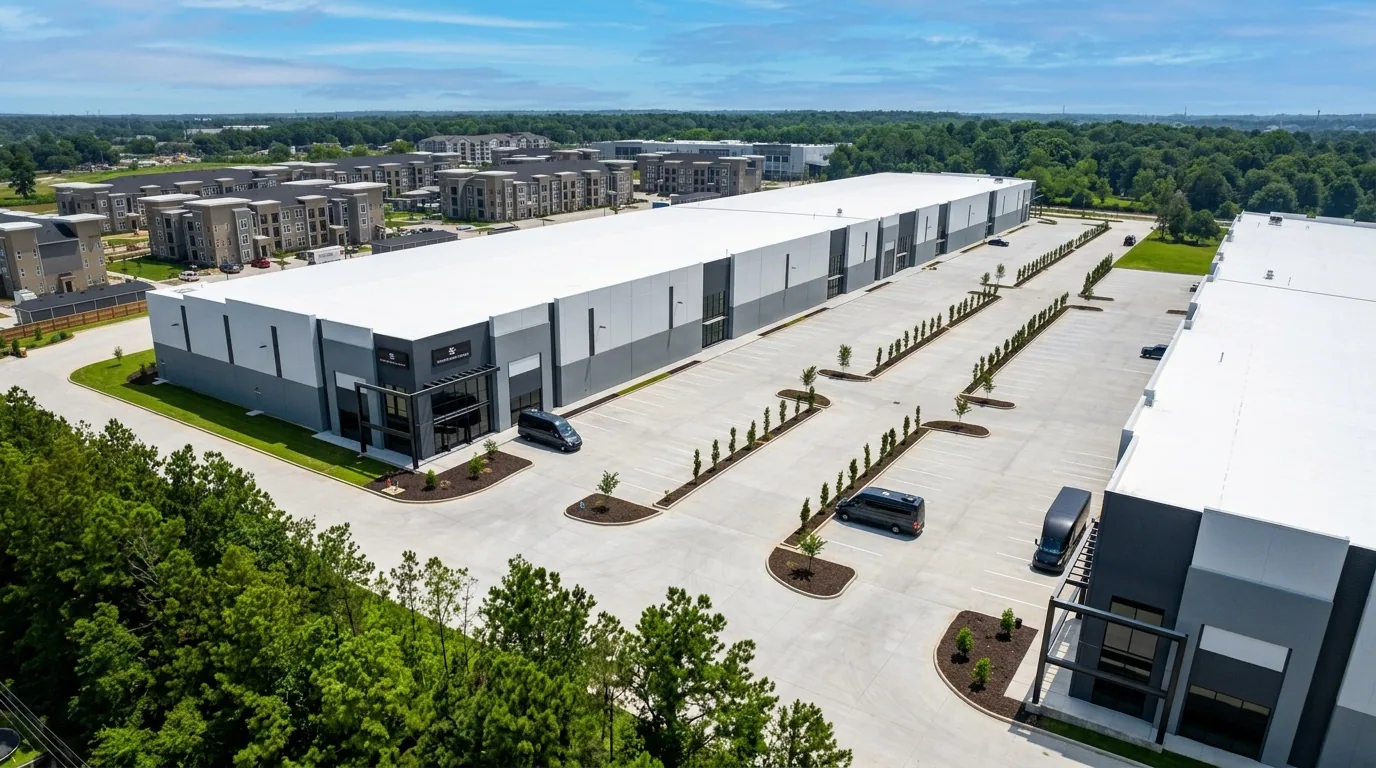
Fishers' airport redevelopment area and Noblesville's Innovation Mile and Washington Business Park can share a regional dispatch plan. A multi-site portfolio may include office, industrial, and mixed-use properties, each with its own roof map, gate procedure, and work rules. The coordinator uses those records to set a visit sequence, while the local contact confirms the current entrance and release window. A roof program visit in Washington Business Park starts with its building list and site contact.
What should each location track?
Every site needs a building identifier, roof plan, assembly where confirmed, active leak record, previous repairs, access rules, and responsible contacts. Inspections add dated observations, photos, quantities, and limitations. The file should also state who can approve testing, emergency stabilization, tenant notice, and work beyond the authorized scope. Consistent fields make comparisons useful; building-level evidence keeps them accurate. The reporting cycle should also set delivery time, escalation route, and a scheduled review between site visits. For each property, we record the action owner and target date. A regional lead can see which work needs funding, which awaits access, and which items closed without treating those statuses as interchangeable.
We can organize calls by urgent exposure, seasonal inspection, repair follow-up, and capital review. The property manager sees who owns the next step, while the regional lead can see which locations share a schedule or material need. A roof asset record carries inspection history forward, and a photo-based report gives each location a dated condition baseline.
Indianapolis winter normals include about 25.5 inches of snow, and freeze-thaw conditions return each season. A program can schedule drain and edge checks around seasonal access, then record what was actually visible at each roof. The same interval does not need to apply where roof design, drainage, and occupancy differ. A maintenance visit can address repeated tasks while preserving site-specific observations.
How should urgent calls move through the program?
For each location, the first report should include the room or roof section, time noticed, current water condition, recent weather, and a site contact who can authorize entry. We confirm safe access, identify immediate protection, and document what remains exposed. The central team receives a concise update, while the property manager controls tenant movement, equipment, and any temporary closure.
Program rules should identify who can approve emergency stabilization and what spending or work boundary applies before a full proposal. If the crew finds concealed moisture or deck damage, we secure the roof and submit measured findings before extending work. An urgent response visit remains distinct from permanent replacement. A property management handoff can coordinate roof authority with tenant and owner contacts.
At sites with receiving, patient, production, or customer operations, the local contact provides the access window and protected area. We use the same report format but plan different work zones and handoffs. A logistics site work plan may prioritize dock flow, while an office property may need quieter hours and advance notice.
Roofing Capabilities
How can the program compare repairs with renewal?
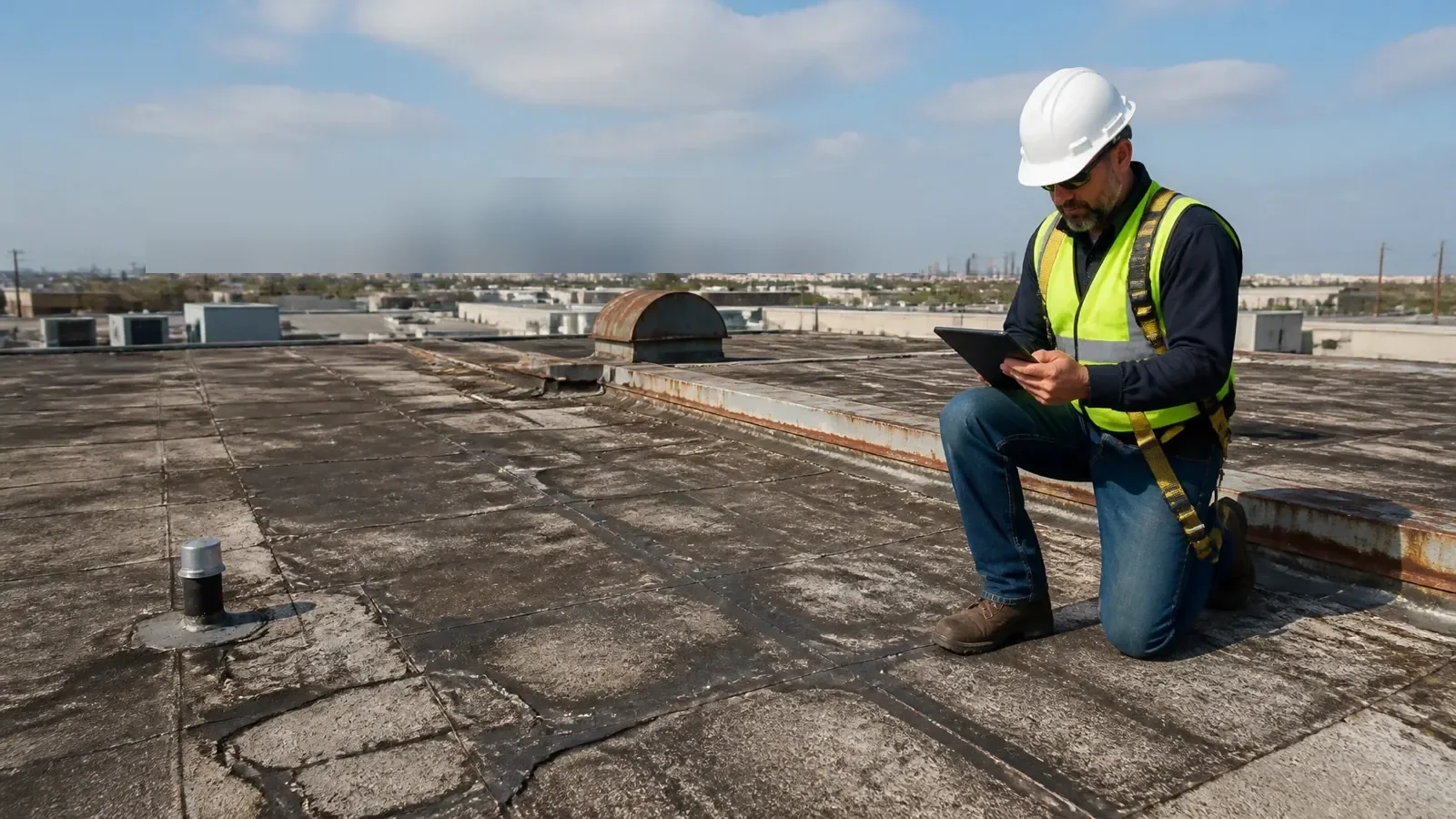
A repair scope identifies the system, location, preparation, material, measured area, and access constraints. Repeated findings across sites may reveal common maintenance needs, but they do not prove a shared roof defect. We inspect each property before assigning a quantity. Where conditions are similar, the owner may standardize a work description while preserving a unique roof map and photographs for each job.
Broad moisture, recurring leaks, failed attachment, or edge deterioration can justify comparing recover and replacement. A recover requires a dry, stable, compatible existing assembly and adequate height at transitions. Replacement may include tear-off, insulation, deck work, and phased dry-in. A renewal scope should separate location, quantity, access, and schedule assumptions so capital reviewers can compare proposals.
For an asset being acquired or refinanced, a transaction survey can document accessible conditions before it joins the program. A capital plan can then organize test work, urgent repairs, and projected renewal by funding cycle without assigning unsupported remaining life.
Roofing Capabilities
What changes from market to market?
Even a nearby site can have different roof access, tenant hours, security, storm exposure, and material staging. Fishers' Indianapolis Metropolitan Airport area is one named commercial redevelopment district; the broader Fishers business core follows I-69 and State Road 37. Those areas give a regional program useful dispatch references, but the site contact confirms the actual entrance, loading location, and work window. The regional schedule should record the driving sequence separately from each property's roof access and permitted work window. We record gate procedures, roof access points, tenant restrictions, staging limits, and the person who can approve a temporary dry-in. Those details let a dispatcher compare active water with safe entry and operating impact before assigning a crew. The plan can then state which locations need a same-day call, a scheduled inspection, or a documented follow-up, with the reason attached to each decision.
Noblesville reports multiple commercial districts, including Washington Business Park and Campus Center Business Park. The program can use a common inspection form there, while the building plan and approved scope remain unique to each property. A service call in the Fishers airport area and a Noblesville inspection may share regional mobilization but not roof findings or access instructions.
For public, school, healthcare, or hospitality sites, the central coordinator should add each owner's approval path and protected areas. We verify who may release the roof section, receive photos, and authorize a return visit. The work plan records the local decision-maker instead of assuming that a regional contact has authority at every building.
How does the program stay useful over time?
After work, the file records the location, roof section, installed material, photographs, test results, temporary protection, open items, and date of next review. The regional summary tracks status by site; each property file retains its own quantities, photos, and inspection evidence. If a building changes tenant or manager, the handoff includes the current access contact and unresolved repair decisions.
A shared program should also capture what changed between visits: equipment added, drains altered, repairs completed, or roof zones made unavailable. The owner can update the map before another service call. A portfolio owner review can align those records with acquisition and reserve decisions while preserving the facility team's operational context.
Send the location list, roof plans, active reports, past repairs, access contacts, approval levels, and preferred reporting fields. We will establish the site-specific inspection sequence, identify urgent work, and return records that support a regional view without blending separate building conditions.
Talk to Our Roofing Team
Call 555-555-5555 or request a roof assessment. Tell us the address, the roof type if you know it and where water or damage is showing. We work across Fishers, Carmel, Noblesville, Westfield, Zionsville and the surrounding communities.
Frequently Asked Questions
Can a multi-site program use one inspection form?
Yes. Shared fields make reports easier to compare, while each building keeps its own maps, quantities, photos, assembly, and limitations.
How do you prioritize emergency calls across locations?
We compare active water, exposed materials, occupied areas, site access, and safety. The program defines who may authorize immediate protection and how the regional contact is updated.
Can different locations receive different maintenance schedules?
Yes. Inspection timing follows each roof's condition, drainage, access, and operating use. A regional plan can coordinate visits without forcing every property into one interval.
What if two buildings have the same roof system?
We can use a common scope description, but confirm each roof's details and quantities in the field. Photos and approvals remain linked to the individual property.
How does a program handle a new acquisition?
A due-diligence survey can establish accessible conditions and open questions. Once the owner approves onboarding, we add the roof map, contacts, and follow-up tasks to the location record.
Fishers, IN
Set up a multi-site roof program
Provide the site list, roof plans, call process, approval levels, maintenance history, and reporting needs. We will organize site-specific inspections, urgent response, and follow-up records.