Property Types We Roof
Hotel Roofing
Water over a meeting room or guest wing can change a hotel schedule before a roof crew is called. We first identify the reported area, trace the water path, and check the roof section above it. Fishers, IN, moves from summer rain to winter snow and freeze-thaw, so a hotel roof needs records that show both drainage and seasonal access limits. We define what can be repaired now and what needs testing before the project widens. Fishers District includes event, retail, dining, and mixed-use development. For a hotel project nearby, we verify the roof assembly, guest routes, and access window with the property contact.

Which roof detail fits the report?
An interior stain can sit away from the roof opening. We compare the room, floor, weather, equipment work, seams, curbs, drains, and wall transitions. If evidence points to more than one path, the report lists the competing possibilities and the test that would clarify them. A roof inspection records the observed assembly, photographs, and areas that could not be reached. That provides the hotel engineer and general contractor a basis for scoping work without treating a ceiling repair as roof closeout.
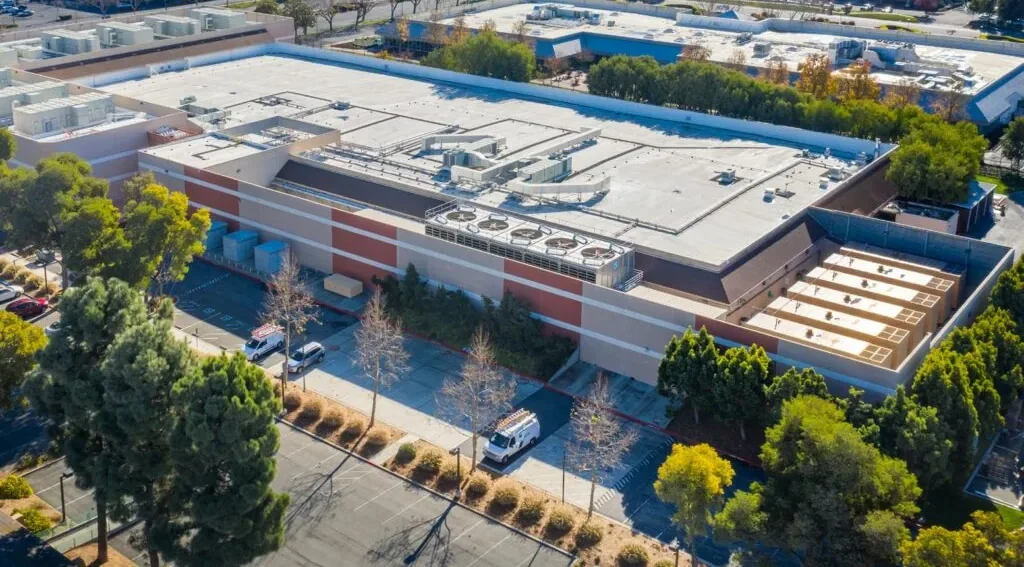
The hotel engineer can help establish a clear sequence for rooftop units and guest services. We note which equipment needs a vendor, which curbs can be inspected with normal access, and which roof zones require an escort. If a unit cannot be shut down, that limitation affects what flashing work can be completed during the visit. The proposal should separate roofing from mechanical tasks and identify the handoff before the curb is closed. This prevents a work area from being left in a temporary condition while the hotel assumes the equipment contractor has restored the membrane.
How can guests and events stay on schedule?
The hotel contact identifies room occupancy, conference dates, catering, loading, deliveries, and spaces where noise should be limited. We plan lift location, material movement, and daily dry-in around those conditions. A phased roof sequence can keep each opening within an approved work window. If weather interrupts the shift, the record shows which area is protected and what remains open. The schedule identifies who can authorize a route change and who receives progress updates. This keeps guest communication and roof production tied to the actual section being built.
A roof project should coordinate room turns and meetings with material delivery and debris removal. We confirm loading hours, service entrances, lift access, and the route from staging to the roof. If the hotel has a conference schedule, ownership can compare a short repair between events with a larger phase during a lower-occupancy window. The daily report identifies which section is open, protected, or complete. If the forecast changes, the plan gives the crew a maximum exposure area and a closeout point. That is more useful than a general schedule without weather procedures.
Property Types We Roof
What should be checked around rooftop equipment?
Hotels may have multiple HVAC units, exhausts, drains, and service routes on one roof. We inspect curbs, penetrations, supports, seams, and earlier patches, then compare them with the maintenance record. If a mechanical contractor recently opened the roof, we identify the restored flashing and any follow-up check. A curb and support review makes that responsibility clear. Where moisture could be concealed, an infrared moisture survey can locate suspect areas for confirmation; it does not replace a test opening when the scope depends on what is beneath the membrane.
Before a curb repair, we check whether vibration, condensate, or service movement has affected the flashing and nearby membrane. The mechanical contact can identify equipment that must remain online; our scope records the roof tie-in and any access needed for a safe test. A completed detail is photographed before the unit returns to service. If the membrane cannot be restored in the same shift, the closeout identifies the temporary protection and the next release point.
Property Types We Roof
How do winter cycles affect access?
Indianapolis normals report 25.5 inches of snowfall and repeated freeze-thaw conditions. Snowmelt can collect at a drain, while ice can keep a roof area inaccessible after the weather changes. We inspect safe routes and outlets, document the conditions observed, and return to blocked areas after melt. A drainage check records outlet condition and nearby detail performance. If the roof cannot be reached safely, it remains an open item rather than a completed inspection. That distinction matters when a guest report prompts a capital or insurance discussion.
When does a repair become renewal?
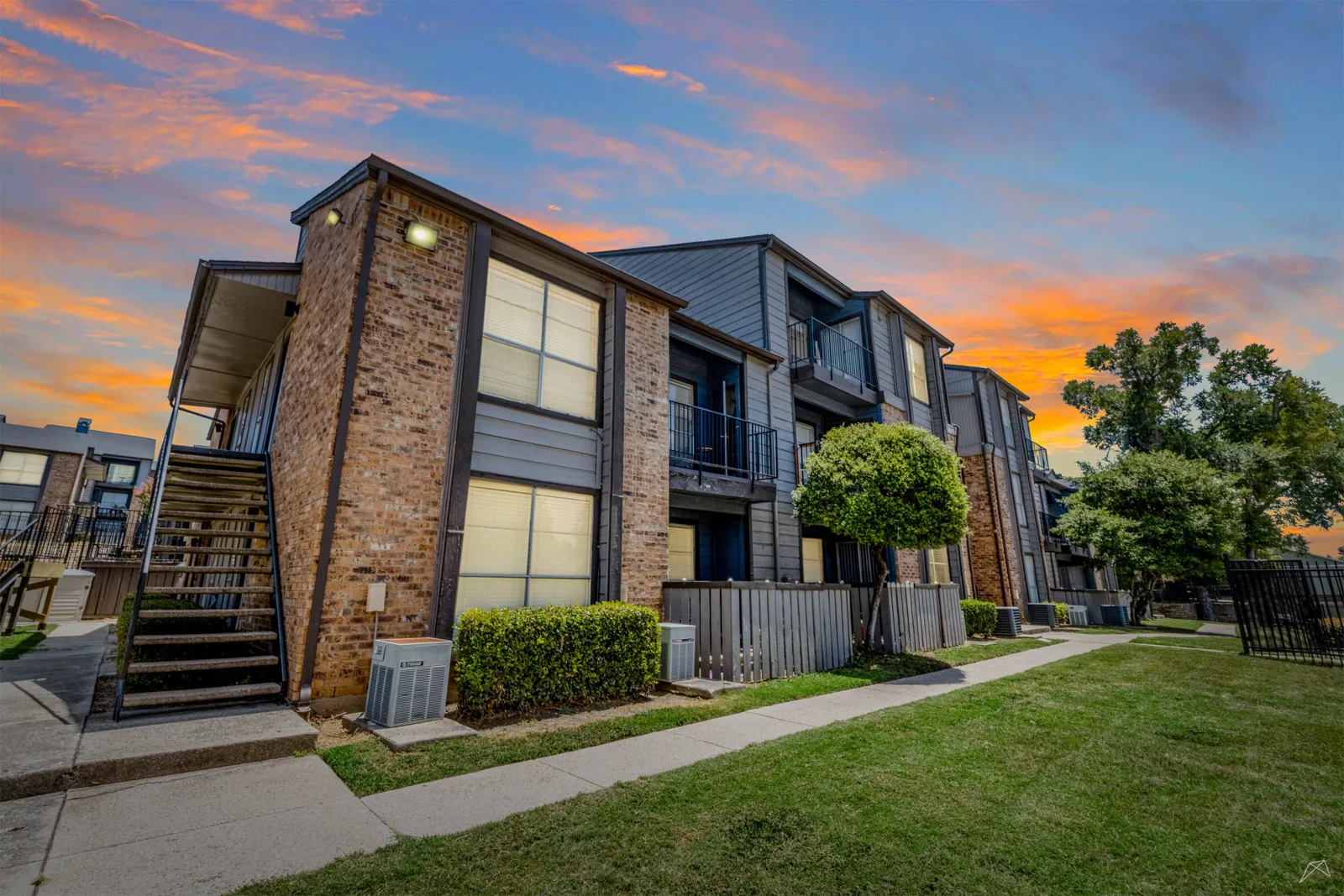
A localized flashing or membrane failure may fit a repair when surrounding materials are stable. Repeated water, broad wet insulation, or a failing deck can make a larger scope more practical. We compare repair, recover, and replacement over the same roof sections and identify the testing needed to firm up quantities. A recover evaluation checks layer count, attachment, drainage, and perimeter height. A multifamily roof assessment also plans around occupied rooms, but hotel events and room turnover create distinct schedule constraints. System choice follows the verified assembly and applicable requirements.
A shopping-center roof assessment often coordinates multiple occupants and shared access; hotel work adds room turnover and event timing. For both settings, a manager should keep roof access approvals and vendor schedules with the condition record. We map each reported leak to a roof zone and note whether equipment service, weather, or a repair preceded it. If the source remains uncertain, the next test is stated before the scope expands. That makes it easier to compare an emergency dry-in with a permanent repair and the next capital project.
Talk to Our Roofing Team
Call 555-555-5555 or request a roof assessment. Tell us the address, the roof type if you know it and where water or damage is showing. We work across Fishers, Carmel, Noblesville, Westfield, Zionsville and the surrounding communities.
Property Types We Roof
What should closeout give the hotel?
Closeout identifies completed roof areas, repairs, materials, photos, access limits, and any condition that remains open. We note what was temporary and what was permanently restored. The hotel can keep that file with equipment work orders and room reports, then compare future calls with the same roof section. Fishers' commercial core follows I-69 and State Road 37, which can guide regional arrival planning; the actual site contact confirms deliveries and staging. Near the Fishers District area, event and dining activity can affect delivery windows. Send roof plans, leak history, event dates, and access limits for a defined review.
Renewal planning should preserve a distinction between urgent leak control and long-term assembly work. We identify what can be repaired, what requires testing, and which roof sections may be candidates for later replacement. If a hotel is renovating rooms or changing rooftop equipment, the general contractor can sequence those projects with membrane work before access is restricted. We list any temporary protection that remains and the inspection that will close it. At the end of the phase, the file identifies materials, photos, open conditions, and the person who accepted the completed area.
A follow-up check names the section, the condition to revisit, and the weather or project date that should trigger another visit.
Frequently Asked Questions
Can roof work be scheduled around conferences?
Yes. We map event and room schedules against roof access, noise, staging, and the dry-in sequence. The hotel identifies fixed dates before the work window is set.
How do you separate a roof leak from condensation?
We compare the room report with equipment, plumbing, roof details, and weather. The record states what evidence supports a roof path and what needs another trade.
What if a guest room reports water during a storm?
We coordinate interior protection and safe access, then inspect the roof section above and nearby details. Temporary dry-in is documented separately from permanent repair.
Does one leak support full replacement?
No. We inspect adjacent seams, drains, curbs, and moisture evidence. A larger project is considered when the findings show recurring or broad assembly failure.
What should be in the hotel roof closeout?
List the repaired section, materials, photographs, equipment interfaces, access limitations, and follow-up check. Keep the record with maintenance and room reports.
Fishers, IN
Set the hotel roof work window
Send the affected area, leak history, event schedule, equipment work, and access rules. We will map the roof section and define the next scope.