Service Areas
Zionsville
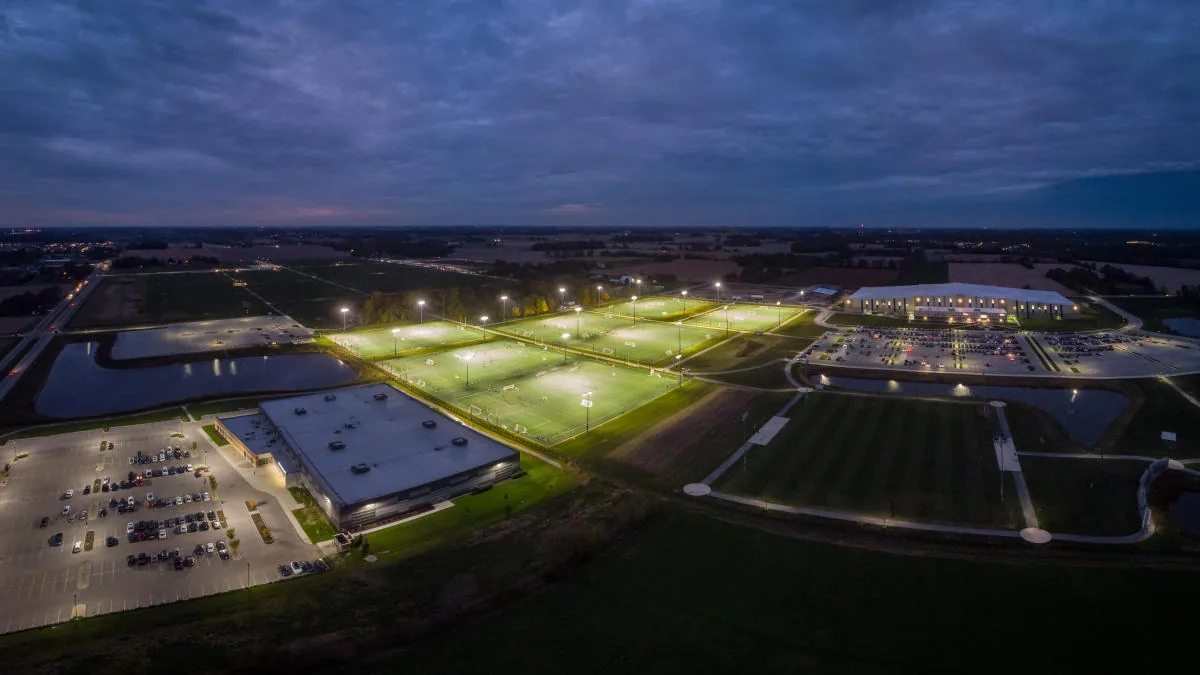
A roof leak in Zionsville should be traced to the assembly before a repair boundary is priced. We inspect above the reported interior area, follow the water path, and document the system details that affect a durable tie-in. Zionsville pairs a downtown village with 500 acres of parkland and 20 miles of trails. Townwide planning covers all areas under its jurisdiction. South Village is a planned 160-acre area with offices, shops, restaurants, trails, and green space. The mix of downtown and planned development calls for a building-specific inspection before any roof scope is set. A roof inspection verifies the membrane, metal, drainage, and penetrations in the building under review.
What should a commercial roof walk include?
We compare the interior report with the roof section directly above it and connected details nearby. Seams, drains, curbs, wall transitions, skylights, and perimeter metal can all influence the path water takes. The inspection records each visible condition with a photograph and identifies where access is limited. A wet ceiling mark alone does not prove where the roof has opened, so the report should separate observation from conclusion.
Zionsville’s townwide comprehensive plan applies across its jurisdiction. We inspect the roof assembly, condition, earlier repairs, and transitions between sections. If moisture beneath the surface could alter the recommendation, infrared scanning or a selective core may help define its extent. A condition report gives the owner an organized record of findings, open questions, and repair limits to carry into capital planning.
Where does seasonal water expose a weak detail?
Water collects at drains, scuppers, low seams, and transitions before it finds an opening. We trace those routes and verify that outlets are open and correctly tied into the membrane. Ponding may point to debris, a blocked drain, a compressed area, or movement below the roof surface. A repair scope should identify the cause supported by inspection rather than simply cover the wettest area.
Indianapolis climate normals record about 25.5 inches of snowfall each year, with winter freeze-thaw affecting drainage. After thaw, we check whether water remains against flashing or seams before assigning a repair boundary. During a thaw, a restricted outlet can leave water against a flashing or seam before temperatures fall again. We inspect drainage components, membrane laps, and perimeter transitions, and document whether the water route remains after cleaning. Drain and scupper work can address failed parts; persistent ponding may require a slope or deck review.
Service Areas
How do you decide between repair and replacement?
A repair may be the right path when a defect is confined and surrounding materials remain dry and stable. We prepare the surface, check the substrate, and tie compatible material into sound membrane or metal. The work record notes the repair boundary and any nearby condition not included. If an opening reveals wet insulation, unstable deck, or a wider seam failure, we show the owner the evidence before extending the scope.
When repeated repairs do not resolve the water path, or several sections show similar deterioration, replacement planning can make more sense. A recover or coating must meet separate moisture, attachment, compatibility, and drainage checks. A targeted repair can address a verified defect, while replacement planning considers tear-off, insulation, deck contingencies, perimeter metal, and dry-in. No municipal planning document can substitute for inspecting the existing assembly.

Service Areas
How should roofing fit a district or property schedule?
Work access depends on the building contact, loading and staging areas, tenant hours, and any construction already underway. The downtown village and planned South Village have different settings, so we confirm access rules with each property contact. We confirm the roof entry, material route, lift needs, entrances to protect, and the time window for noisy tasks before mobilizing.
When other trades are changing curbs, conduit, or roof equipment, those penetrations need a named handoff before membrane closure. A phased plan records what can be completed each day and how the section will be dried in if weather changes. Occupied-building reroofing can stage work by section to limit exposure and help tenants understand the sequence. The daily closeout identifies finished areas, temporary protection, and the next inspection point instead of leaving an open condition ambiguous.
What changes the estimate and follow-up plan?
The estimate depends on the verified roof area, system, detail count, access, staging, drainage, edge conditions, and what inspection or removal finds beneath the membrane. A narrow repair can stay narrow when materials outside the defect are sound. If insulation or deck has failed, the scope can expand after the owner reviews photos and the proposed work. The proposal should state what is known and how a concealed condition changes cost or timing.
Weather, material delivery, tenant access, and trade coordination all affect the schedule. Closeout should include photographs of repaired seams and flashings, removal of temporary covers, and any unresolved condition for later review. A maintenance program can revisit drains, transitions, and prior repairs through the year. For context within the municipality, South Village and Brick Street Business District are distinct broad areas; the roof work remains specific to the inspected property.
"Owner records can make the inspection more useful. Previous repair invoices, leak dates, interior photographs, and any deck or insulation testing help us compare the current roof condition with earlier work. We still verify each item in the field; paperwork does not prove a detail remains intact. The field record should identify the assembly, prior patches, moisture indicators, and any roof areas not reached. When roof sections differ because of additions or past replacement work, we mark those boundaries rather than treating the whole surface as one system.
For buildings with rooftop equipment, we check the curb and flashing condition, service access, support points, and any exposed conduit. A repair can be disrupted if another trade cuts the membrane after closeout, so the work plan should identify who coordinates future access. At a drain, we verify the bowl, membrane tie-in, and overflow route. At an edge, we inspect metal attachment and the termination of the roof system. These are general inspection points, not claims about what any Zionsville building contains. The owner receives a report of what was actually observed and which next step each finding supports.
Before approving a larger scope, owners can ask for the proposed work area marked on a roof plan. That drawing should distinguish repair, replacement, and any separate trade item. Clear limits make bids easier to compare and reduce confusion when an unforeseen condition appears.
After a repair, we revisit the tie-in and verify that the finished detail is secure. If water testing is useful, we agree on a controlled method that will not put occupied space at risk. The closeout states the result, weather conditions, and any follow-up observation for the owner.
Talk to Our Roofing Team
Call 555-555-5555 or request a roof assessment. Tell us the address, the roof type if you know it and where water or damage is showing. We work across Fishers, Carmel, Noblesville, Westfield, Zionsville and the surrounding communities.
Frequently Asked Questions
How does the townwide plan affect a roof decision?
It sets a broad municipal planning context. We inspect your building to identify the roof assembly, drainage, penetrations, and prior repairs before recommending work.
Can snowmelt cause a new leak after a roof seemed dry?
A restricted outlet or weak flashing can become apparent when meltwater reaches the detail and then refreezes. We inspect drainage and connected seams to determine whether the condition is local or wider.
When is infrared testing useful?
It can help locate temperature patterns that may indicate moisture below the surface. We explain the limits and use selective openings when confirmation is necessary for the repair scope.
Can you phase work around tenants?
Yes. We coordinate access windows, staging, noisy tasks, and the section that can be dried in each shift. The actual sequence depends on roof conditions and the property calendar.
What should owners receive after a repair?
The closeout should identify the roof area, repair materials, completed details, photos, and any condition left for follow-up. That record gives the next inspection a clear comparison point.
Fishers, IN
Tie the recommendation to the inspected roof
Share the roof section, leak history, access window, and any project schedule. We will document what is confirmed and give you a repair or planning recommendation based on the assembly.