Service Areas
Saxony
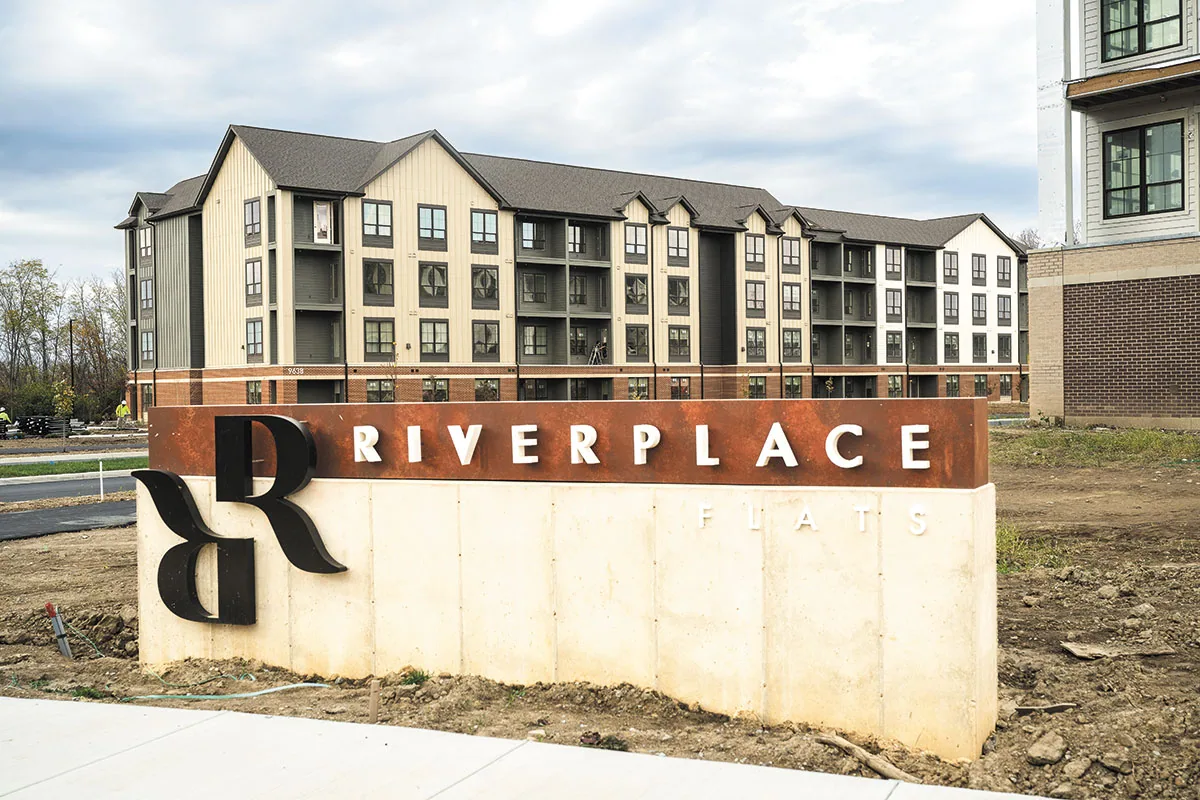
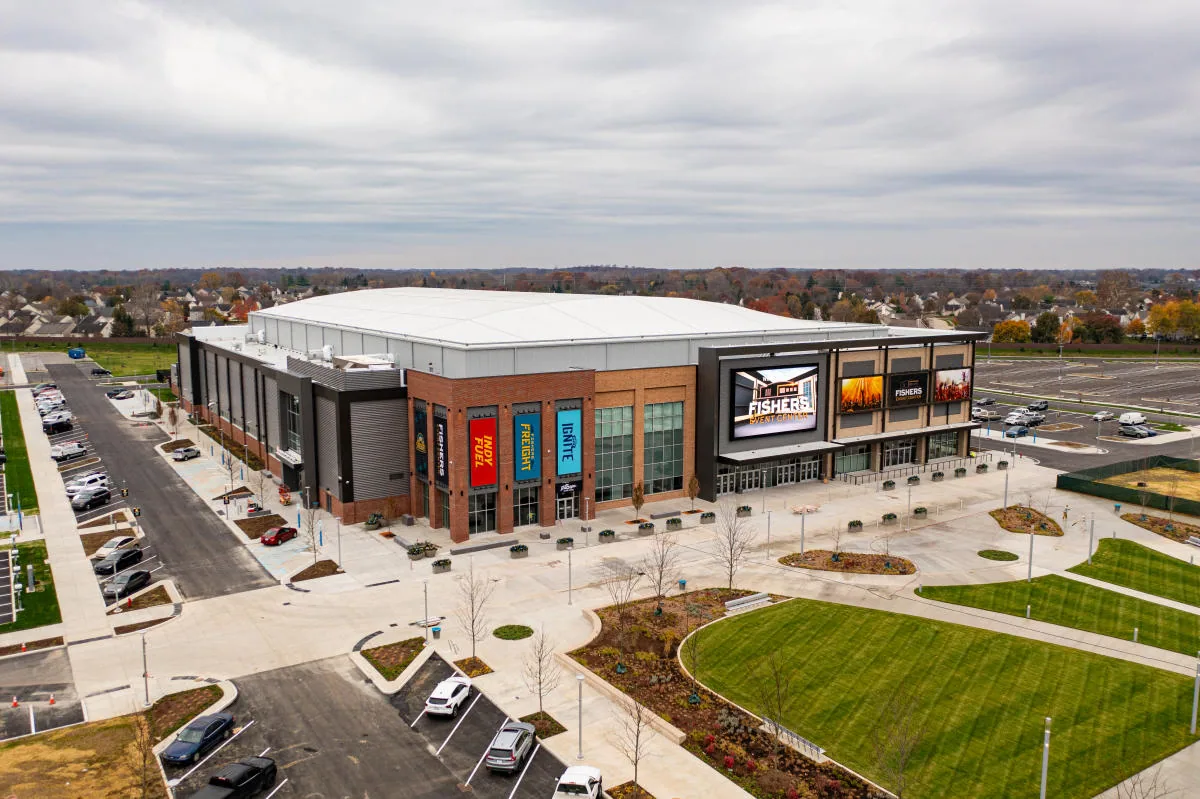
A roof decision in Saxony should start with a specific leak, failed seam, or budget question, not the district label. We mark the affected section, check nearby transitions, and decide what can be confirmed before setting the repair boundary. Saxony is a planned-development and TIF district with about $77.8 million in gross assessed value for the 2019-pay-2020 roll. Its TIF program also records revenue and expenditures tied to area development. The district's redevelopment record helps orient service planning; roof scope still starts with the property plan, access rules, and construction schedule. Fishers’ commercial geography follows I-69 and State Road 37, while the roof schedule depends on the property’s access rules and construction needs. Indianapolis winter snowfall and repeated freeze-thaw periods make drains, edges, and dry-in planning important parts of the inspection.
Which condition deserves the first repair dollar?
Active water entry, an open seam, or a loose edge can call for immediate protection, but the permanent scope still needs a verified boundary. We compare the reported interior area with roof slope, seams, penetrations, drains, and past repairs. A roof inspection records what is visible and what cannot yet be confirmed. If the water route is uncertain, a leak investigation can test the likely entry before the owner approves work beyond the opening.
For a small defect, note the compatible tie-in surface and the area that was actually inspected. If several separated locations show moisture or movement, map each one instead of widening the proposal by assumption. A condition report can attach dated photos and test points to a roof plan, making the evidence usable when a different manager takes over. The report should distinguish immediate dry-in, confirmed permanent repair, and additional testing so those costs do not blur together.
The property team supplies current use, drawings, prior work, and the decision date so we can match the roof review to the building in scope. If ice blocks a scupper or snow covers the membrane, we note the limit, protect active openings, and schedule a return after safe access is restored.
What can snow and spring melt expose?
Snow can conceal a drain opening or seam until thaw sends water across the roof. Indianapolis normals record 25.5 inches of snowfall annually, with much of it in winter. We note whether snow, ice, or an unsafe surface limited the view, and whether a return visit is needed to inspect a covered transition. A drain and scupper review checks outlet condition, sumps, and the route to discharge. If water remains after the outlet is clear, investigate slope, insulation, or deck movement before selecting a correction.
Hamilton County is included in National Weather Service central Indiana tornado climatology. When wind or hail prompts an inspection, we photograph actual movement, punctures, or displaced material and separate event findings from prior wear. A focused storm review can map edge and attachment findings when a reported event is part of the work request. The repair decision still follows the material and condition we can verify at the site.
Indianapolis climate normals provide a winter planning reference. At the roof, we record snow cover, drain condition, and visible water paths during the visit.
Service Areas
How does district investment context fit a roof budget?
Saxony's TIF record provides public redevelopment context, while the roof estimate follows measured quantities, access, materials, disposal, and the extent of confirmed damage.
For a capital comparison, inspect representative areas only when their location and condition can support a wider conclusion. A test that finds wet insulation in one section does not establish the same condition across the roof. We document sample locations and limits, then explain whether additional testing would materially change the owner’s decision. A roof capital review can group urgent work, near-term repairs, and later renewal candidates without treating every open question as an immediate replacement.
If removal exposes another layer, stop where the opening can be protected, photograph the assembly, measure the affected area, and submit a change for approval. An overlay assessment can compare recover feasibility with removal when inspection supports that question. The estimate should identify roof sections, edge work, insulation assumptions, and any allowance that depends on concealed conditions.

Service Areas
How should a job stay closed at the end of each shift?
A commercial roof project needs a defined daily endpoint. We identify the section opened, the approved removal limit, the dry-in method, and the person responsible for confirming closure. Material delivery, lift use, fall protection, and interior protection are coordinated with the property contact before work begins. If an equipment trade must disconnect or reset a unit, name that handoff in the work plan before the crew reaches its curb.
Fishers’ commercial core follows I-69 and State Road 37. The property contact confirms the delivery entrance, staging area, gate rules, loading hours, roof hatch access, and emergency routes before mobilization. For occupied buildings, a phased reroof plan can set zone-by-zone closures and show how work moves without leaving an open section overnight. A perimeter detail review can also identify edge work that should be sequenced before water testing or final closeout.
Weather can change the day’s plan. If forecast conditions make a full section difficult to close, reduce the opening to a manageable boundary and report the resulting sequence. The owner should know what was completed, what was protected, and what remains scheduled.
What makes the next inspection comparable?
Closeout records the roof section, assembly when verified, repair method, photographs, test locations, excluded areas, and any unresolved interface. Mark where the next inspector should return and what change would trigger that visit. If the work used temporary protection, identify who checks it and when it should be removed or replaced. These details preserve the condition trend without implying that one visit cleared every area.
For a Saxony roof review, provide the roof plan, reported water entry, access schedule, prior repair records, and budget timing. We will separate urgent action from longer-range options and identify the evidence needed for the next scope decision. If your portfolio includes 116th Street commercial properties or the 126th Street and I-69 corridor, their findings stay attached to those individual locations rather than being carried into a Saxony recommendation.
When a bid includes an allowance for concealed material, the estimate should name the trigger, quantity method, protection measure, and approval point. That lets the facilities team release confirmed work without accepting an undefined expansion. A later field change can be measured against the original roof map and project schedule.
Talk to Our Roofing Team
Call 555-555-5555 or request a roof assessment. Tell us the address, the roof type if you know it and where water or damage is showing. We work across Fishers, Carmel, Noblesville, Westfield, Zionsville and the surrounding communities.
Frequently Asked Questions
Does the Saxony TIF listing say when a roof should be replaced?
No. It describes a redevelopment district and public finance. Roof timing comes from inspection, repair history, verified assembly, and the owner’s plans.
What if a drain is covered by snow during the visit?
We record the limit, avoid calling the outlet clear, and return when safe access exposes the drainage route. The owner can keep temporary protection separate from permanent repair.
Can a localized patch work on a roof with prior repairs?
It can when inspection finds sound material for a compatible tie-in. We map the old work and check whether moisture or movement extends beyond the proposed patch.
How do you price a concealed condition?
We identify it as an allowance or test-dependent quantity, not as confirmed work. If removal reveals a change, we measure, photograph, protect the opening, and submit the scope for review.
What should a facility manager send before the inspection?
Share a roof plan, leak dates, earlier repairs, safe access instructions, and the decision deadline. That lets us set a useful walk route and return only when a specific test is needed.
Fishers, IN
Connect the roof evidence to a budget decision
Send the roof plan, leak history, access window, and capital timing. We will inspect the defined sections, record any limits, and identify the next action supported by the findings.