Service Areas
Westfield Grand Park District, Westfield
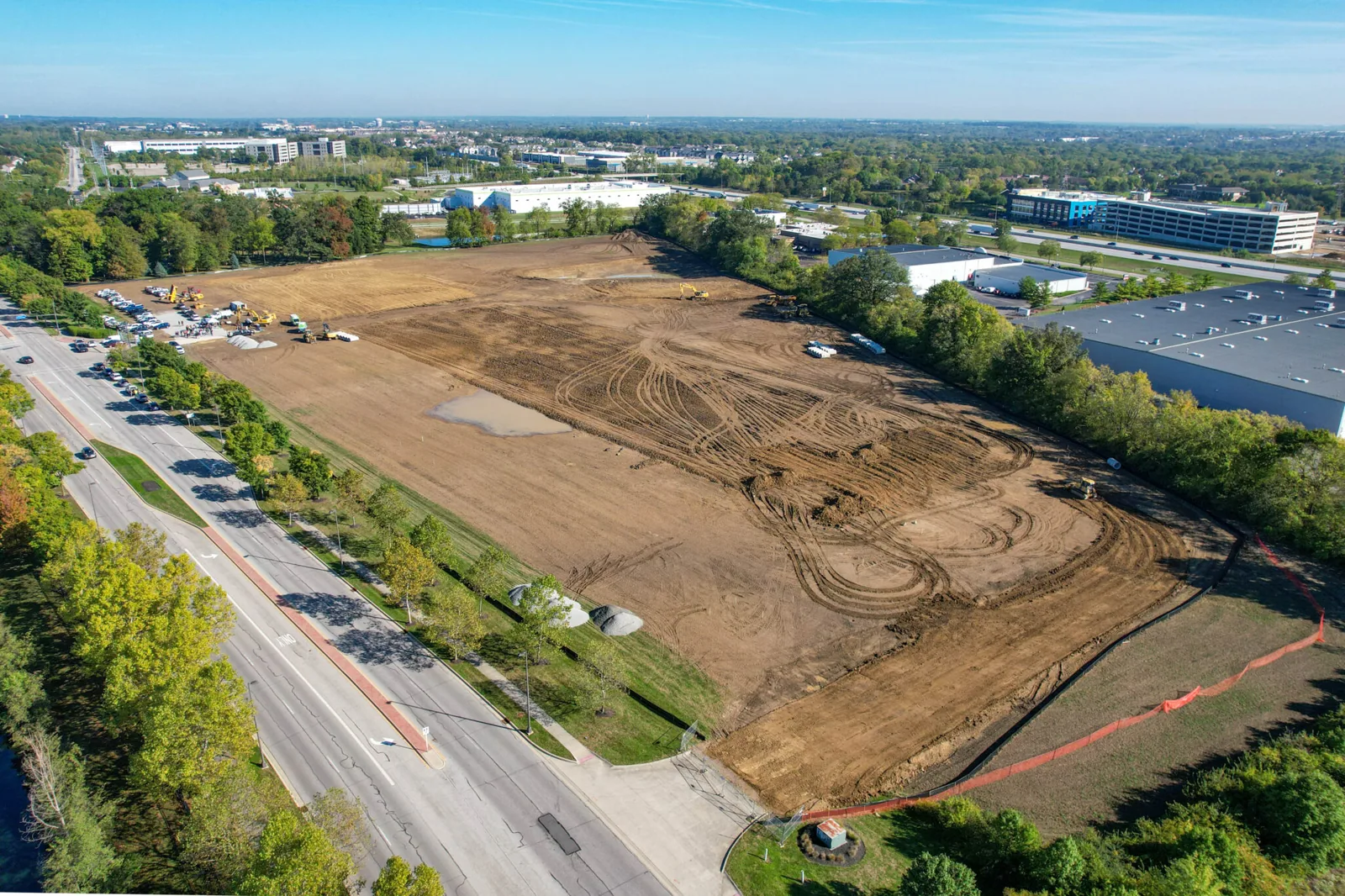
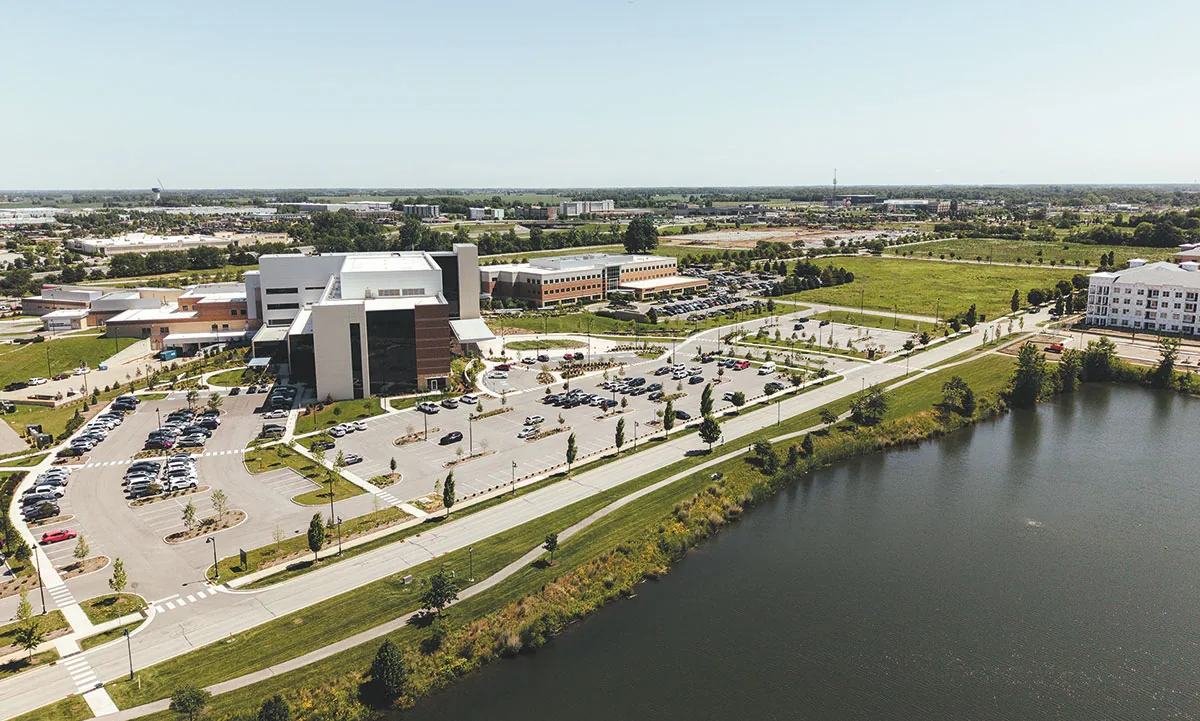
A leak over a public-use building needs a repair plan that protects the roof and the operations beneath it. In Westfield Grand Park District, we start by locating the affected roof section, documenting the water path, and confirming when crews can reach the work area. The broader campus includes 400 acres, 31 sports fields, 26 baseball diamonds, three indoor facilities, and two administration buildings. Future uses in the district include retail, hospitality, indoor sports, office, and mixed-use development. A campus with many uses calls for a separate inspection of each building and its roof details. We inspect the assembly on the building in scope before recommending a repair, recover, coating, or replacement. A roof inspection records the failure point and any area that still needs testing.
What does the first walk need to settle?
The first walk should connect the reported interior condition to roof details that could admit water. We inspect seams, drains, curbs, wall transitions, perimeter metal, and penetrations above the affected rooms. Photos show the detail and its surrounding roof section, while notes separate confirmed failure from an untested possibility. If a surface is concealed by equipment or unsafe to reach, we record that limit rather than treating it as clear.
On each building, we identify membrane or metal, insulation, drainage, and prior repairs, then tie those findings to the roof map. If moisture may be present below the surface, an infrared survey or selective opening can help determine repair limits. We explain what the test can establish and what remains outside its reach. A photo-based condition report gives the owner and general contractor a common record for evaluating scope and sequencing.
How should work fit a tournament or event calendar?
For an active district, access windows may depend on scheduled use, deliveries, staff movement, and public entry. We confirm who controls roof access, where materials can be staged, and which ground areas need protection. Before mobilization, the property contact supplies actual event dates and operating constraints. The crew then divides work into sections that can be prepared, installed, and dried in before the agreed window closes.
When tear-off is necessary, the daily area must be small enough to protect before a shift ends or weather changes. We record which section is complete, which remains temporary, and what should be inspected next. If other trades need new curbs or penetrations, those details should be coordinated before membrane closure. Phased occupied-building reroofing makes the sequence visible to the owner and site team. An event date may affect access, but the condition of the roof still determines how much work can safely proceed.
Service Areas
Where can water collect around roof details?
Water may be held at a drain, behind a curb, or along a low seam before it reaches the ceiling. We trace the route across the roof and check whether outlets, scuppers, and overflow paths are open. A pond can point to debris, a membrane depression, compressed insulation, or deck movement. The inspection records its size and location, then tests whether correcting a component would resolve the route or whether more evaluation is warranted.
Indianapolis climate normals include about 25.5 inches of annual snowfall, with winter freeze-thaw adding a seasonal drainage concern. During melt, water can cross details and refreeze at an outlet. At the inspected Grand Park building, we check drain condition, ice residue, and flashing once access is safe. We look for blocked drains, separated laps, loose flashing, and water marks at transitions. Drain and scupper repairs address failed components, while persistent ponding may require slope or substrate review. A repair should correct the supported cause, not just cover the visible low point.
Service Areas
When should an owner compare repair with replacement?
A repair can be appropriate when failure is confined to a detail and the surrounding membrane, flashing, and substrate can support a stable tie-in. We define the boundary, prepare the surface, and identify any concealed condition that could change the work. When opened material is wet or the deck is compromised, the crew documents the finding and pauses at the agreed decision point. A surface patch over unsound material can leave the underlying water path intact.
Several failures across different roof sections, recurring openings, or widespread moisture may justify replacement planning. A recover or coating has separate eligibility checks for attachment, compatibility, moisture, and drainage. Sports, hospitality, retail, and office buildings can have different access windows and equipment patterns; inspection establishes the requirements for each roof. A targeted repair and a replacement proposal should use the same field record so cost and disruption can be compared on known conditions.
Which scope details affect cost and closeout?
Cost changes with verified area, roof system, flashing and edge complexity, access, staging, insulation or deck findings, and the amount of temporary protection required. If the roof is dry and stable outside one opening, work may remain narrow. If testing or tear-off shows moisture beyond that point, the scope can grow. We separate confirmed tasks from allowances tied to concealed conditions and show what observation would trigger each change.
Schedule depends on material delivery, weather, work windows, and coordination with facility operations or other trades. The written plan should identify the roof section, preparation, flashing details, daily dry-in, ground protection, and final inspection. After repairs, preventive maintenance can revisit seams and drainage before another season. We also serve nearby Westfield and Zionsville South Village, with each visit scoped to its own roof and access plan.
A good scope also distinguishes the roof work from the building work below it. We note whether the interior needs protection, whether equipment must be shut down or moved by another contractor, and which party restores ceilings after the roof is watertight. If the defect touches a parapet, skylight, or mechanical curb, the detail should be shown on the field record and tied to the responsible trade. The owner can then approve the repair with a clear boundary and avoid paying twice for the same transition. On larger assemblies, selective test cuts may reveal wet insulation or deck conditions that a surface survey cannot confirm. We discuss the test location, close it properly, and report what it did and did not establish. That evidence helps the team compare a local repair with broader work without treating an assumption as a finding.
Where a repair meets an existing patch, we check whether the old material is firmly bonded and compatible with the new detail. If it is loose, cracked, or covering wet insulation, the work may need to extend to a stable surface. The owner receives photos of the opened area and a clear choice before the crew changes the repair boundary.
Talk to Our Roofing Team
Call 555-555-5555 or request a roof assessment. Tell us the address, the roof type if you know it and where water or damage is showing. We work across Fishers, Carmel, Noblesville, Westfield, Zionsville and the surrounding communities.
Frequently Asked Questions
Can roofing work be scheduled around campus events?
We schedule by event dates, staff entry, and deliveries supplied by each building contact. The plan names the roof section, ground protection, work window, and shift-end dry-in.
Do the district’s indoor facilities all use the same roof system?
No. We inspect each facility to identify its membrane, metal, insulation, drainage, and prior repairs before choosing compatible materials.
How do you handle wet insulation found below a Grand Park-area roof?
We document the opened condition and compare it with the agreed repair boundary. If wet material extends farther, we explain what removal and replacement are needed before extending the scope.
Can a Westfield Grand Park-area roof support a recover over its existing layers?
Sometimes, when moisture, attachment, compatibility, drainage, and applicable requirements support it. We verify those conditions first; a recover is not a substitute for addressing wet materials or an unstable substrate.
What should the closeout record show?
It should identify completed sections, repair details, materials, photos, and anything left for a follow-up check. The record also notes temporary protection removed and any open condition that needs another decision.
Fishers, IN
Set the roof scope against the site schedule
Share the affected roof section, leak history, access window, and event or construction calendar. We will record what is confirmed, identify open questions, and recommend a workable next step.